
Pyrolysis Trial at Klungkung TOSS Centre Delayed Due to Missing Supporting Machinery
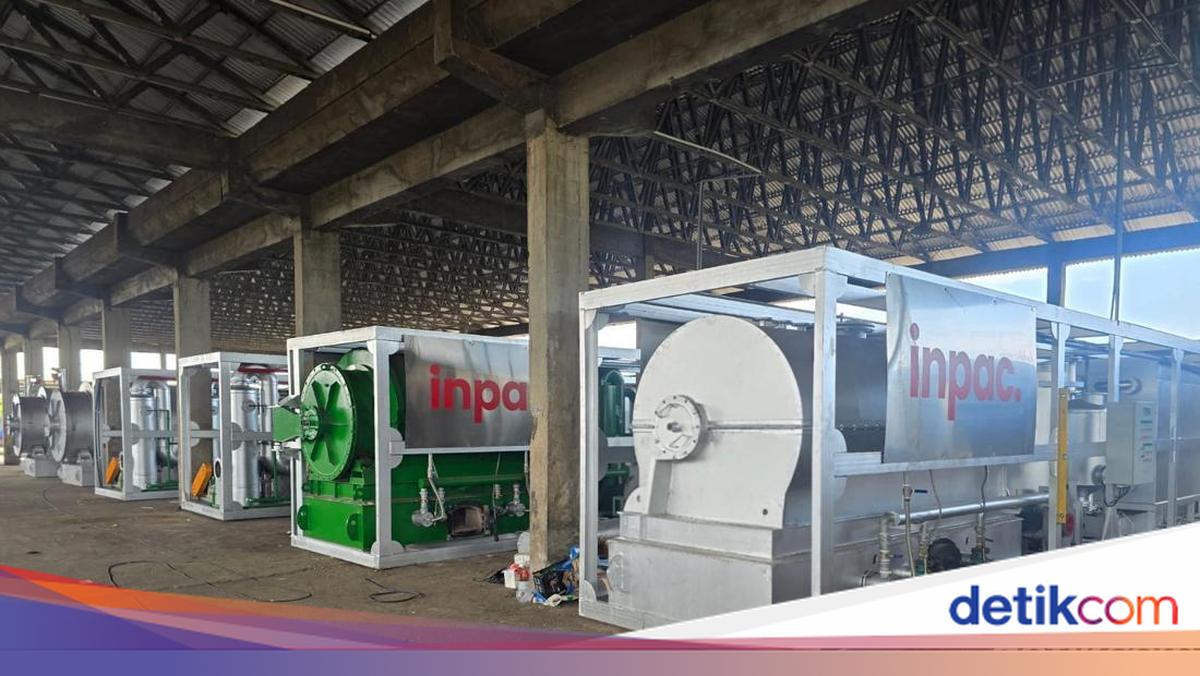
The trial of pyrolysis machinery at the Karangdadi Local Waste Processing Centre (TOSS) in Kusamba, Klungkung, Bali, has faced another delay. The trial, originally scheduled for early June, has been pushed back to early July due to the delayed arrival of sorting machines and supporting generators.
The Head of the Klungkung Environmental and Cleanliness Service (DLHK), I Komang Aswin, stated that the main components already assembled include a pyrolysis machine with a 7lag capacity of 750 kilograms, a cooling system, and the processing line. However, two large pyrolysis machines have yet to be fully installed. Additionally, three logistics containers carrying the sorting machines and generators are still pending. Aswin noted that the machinery, sourced from the Cook Islands and assembled in China, is scheduled to arrive tomorrow.
“Tomorrow, three containers with the sorting machines and generators will arrive for assembly. The assembly for the smaller units will only take one or two days, but the two larger machines are still pending,” Aswin told the media on Wednesday.
Aswin estimates that the pyrolysis trial, managed by PT Inpac Solutions Indo in partnership with PT Bali Bersih Bersinar, could commence by the end of June.
Klungkung Regent I Made Satria announced that he will personally visit the TOSS Centre to oversee the trial in early July. Despite the delay, Satria remains optimistic that the Cook Islands pyrolysis technology, which is capable of processing up to 400 tonnes of waste per day, will accelerate the clearance of residual waste piles at the TOSS Centre and various village-level integrated waste processing sites (TPST) across Klungkung, which produce an average of 200 tonnes of waste daily.
Given that the machine’s capacity significantly exceeds local waste volume, the Klungkung Regency Government is moving swiftly to establish coordination with neighbouring areas such as Gianyar and Bangli to ensure the waste processing company’s operations remain sustainable. This cooperation scheme will be formalised through a Memorandum of Understanding (MoU) regarding waste delivery to Klungkung. Neighbouring regions have reportedly welcomed the plan, although technical details and regulatory discussions are still to be finalised.
“That is correct. To prevent a shortage of waste, we have initiated communications with Bangli and Gianyar,” explained Satria.