
Pyrolysis Solution for Low-Value Plastic Waste in Indonesia
A light drizzle accompanies a hot cup of tea and fried bananas as I chat with fellow advocates at the B.24 HABS Waste Bank in Limo Ward, Depok City, West Java Province. They include Kang Ardjaka (Practitioner and Consultant at AEP Engineering Indonesia), Kang Ashari (Practitioner and Director of Keissoft), and Bang Casmin (Practitioner and Co-Founder of the B.24 HABS Waste Bank -3K Foundation).
We are working to help Indonesia escape its waste problems. The conversation becomes even more engaging, spiced with news of politics and reports of regions competing to build waste management facilities that could free their areas from rubbish.
As an archipelagic nation with a large population, Indonesia faces serious challenges in waste management, particularly plastic waste. Based on data, Indonesia ranks highly as a producer of plastic waste into the sea.
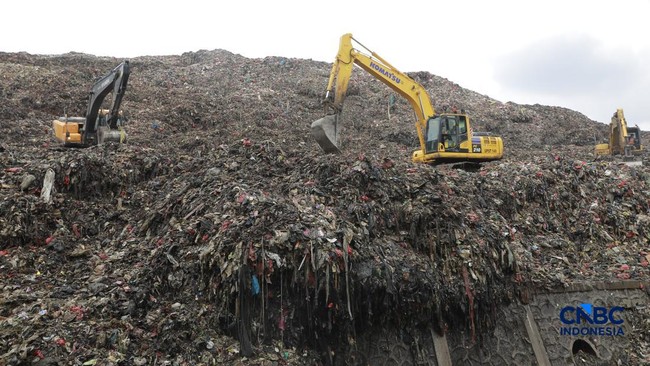
Much of this plastic waste, especially low-value types (such as plastic bags/single-use plastic (LDPE), flexible packaging, and some contaminated polypropylene (PP) types), often ends up in final disposal sites (landfills) or pollutes land and water environments.
These low-value plastic wastes pose a major challenge because:
Difficult and Uneconomical to Recycle Conventionally: Mechanical recycling processes often require strict sorting and high operational costs, making these plastic types less attractive to the recycling industry.
High Volume Generation: Single-use plastics have very high generation volumes in daily activities.
Serious Environmental Impact: Being non-biodegradable and hard to break down, their accumulation pollutes soil, water, and even fragments into microplastics that threaten ecosystems and human health.
Given this situation, an innovative technology is needed that can process low-value plastic waste efficiently, reduce volume, and add economic value. Pyrolysis emerges as one of the promising thermochemical solutions.
Plastic Processing with Pyrolysis
Pyrolysis is the thermal decomposition (breaking down chemical compounds with high temperatures) of organic materials—in this case, plastic waste—without oxygen or with very limited oxygen. The word “pyrolysis” comes from Greek, pyro (fire) and lysis (to separate).
The main goal of the pyrolysis process is to convert long-chain plastic polymers into shorter-chain hydrocarbon molecules in the form of oil, gas, and solid residue (char/carbon). The stages of the pyrolysis process are as follows:
Preparation of Raw Materials (Pre-treatment):
Plastic waste (e.g., LDPE, PP) is sorted from other types of waste.
The plastic is washed (if necessary) and dried to remove water and dirt contaminants.
The plastic is shredded into smaller sizes to facilitate heating and decomposition in the reactor.
Pyrolysis Process in the Reactor:
The shredded plastic is fed into an airtight pyrolysis reactor.
The reactor is heated to high temperatures, generally ranging from 350 degrees Celsius to 550 degrees Celsius, without or with catalysts (such as zeolite or charcoal) to accelerate polymer chain cracking.
Because there is no oxygen, the plastic does not burn but undergoes thermal decomposition, releasing hydrocarbon vapours.
Condensation (Cooling):
The hot hydrocarbon vapours produced from the reactor are passed through a cooling system (condenser).
The cooling process causes the vapours to condense and change phase into a liquid, namely pyrolysis oil.
Collection of Products:
The pyrolysis oil is collected.
The remaining uncondensed gas (syngas/pyrolysis gas) is gathered. This gas can be reused as an energy source to heat the pyrolysis reactor, thereby reducing external energy consumption.
The solid residue (black carbon/char) remains in the reactor.
Products Produced
Pyrolysis of plastic waste yields three main products, all of which have potential economic value:
Benefits for the Environment and Economy in Indonesia
Implementing pyrolysis technology for processing low-value plastic waste brings significant benefits, particularly in the context of sustainable development in Indonesia:
Drastic Reduction in Waste Volume: Pyrolysis can reduce plastic waste volume by more than 90%, easing the burden on landfills that are often over capacity.
Reducing Environmental Pollution: Processing plastics, especially those difficult to recycle, prevents them from polluting oceans, rivers, and soil, while mitigating microplastic formation.
Circular Economy and Added Value: Plastic waste previously considered valueless (low-value) and polluting is transformed into energy products and raw materials with market value (alternative fuels), thus promoting the circular economy concept.
Provision of Alternative Energy: Pyrolysis oil can serve as an alternative energy source usable by communities, especially in remote areas, for lighting, cooking, or as fuel for agricultural machinery.
Lower Emissions: Compared to open burning (which produces harmful pollutants and high carbon emissions), pyrolysis is a more controlled and environmentally friendly process, with the produced gas generally processable or reusable.
Job Creation: Operating pyrolysis facilities, from raw material sorting and preparation to equipment operation, can create new employment opportunities at the community level.
Pyrolysis offers a solution that