
PWNU DKI: Direct election of PBNU chairman needs to be considered
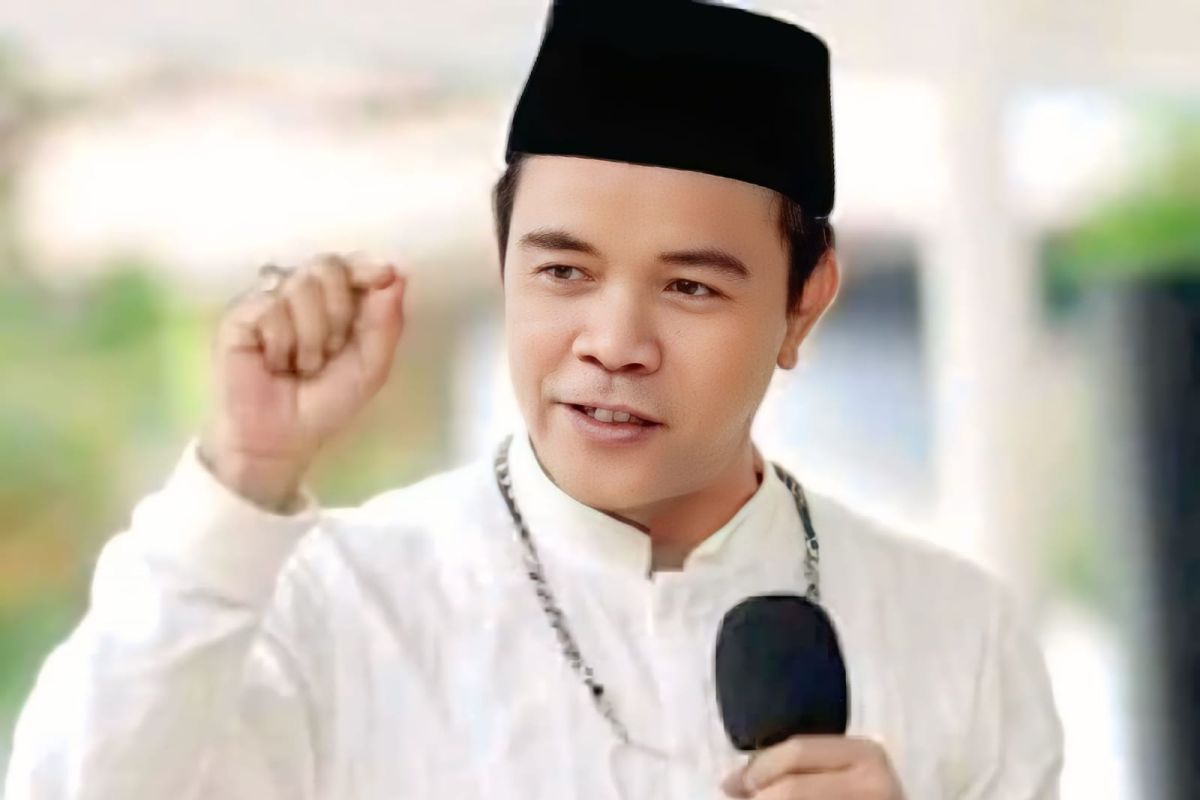
The Jakarta regional board of Nahdlatul Ulama (PWNU DKI Jakarta) believes the idea of directly electing the chairman of the NU central board (PBNU) needs to be considered carefully, because the leadership selection mechanism within NU remains rooted in the character, traditions and values that have grown within the organisation.
Deputy Katib Syuriyah of PWNU DKI Jakarta, KH Taufik Damas, is of the view that the PBNU chairman should not be chosen through direct voting contests. “The PBNU chairman should emerge from syura (deliberation) and the wisdom of the ulama, not from vote competition. The Ahlul Halli wal Aqdi (AHWA) mechanism ensures that NU leadership is determined with consideration of knowledge, morals, exemplary conduct and the common good,” Taufik said in a statement in Jakarta on Sunday.
According to him, NU is not a political party that makes electoral competition the main mechanism for determining leadership. NU is a jam’iyyah diniyyah ijtima’iyyah (socio-religious organisation) born from the womb of pesantren, scholarly tradition and the values of Ahlussunnah wal Jama’ah. Therefore, leadership in NU cannot be measured solely by the number of votes or a person’s popularity.
“There are dimensions of scholarship, morality, character, exemplary conduct and the ability to safeguard the interests of the organisation that need to be the primary considerations,” said the young NU figure and Al-Azhar, Egypt alumnus.
Taufik cautioned that direct elections could potentially bring an electoral contest culture into NU. Campaigning, the formation of factions, mobilisation of support and competition based on personal sentiment could lead to polarisation. “We must not let the process of choosing a leader divide NU members into support camps. NU has a tradition of ukhuwah, adab and respect for the ulama that must be maintained,” he explained.
According to him, the question of NU leadership is not merely about who gets the most votes, but who is most worthy of bearing the leadership mandate of the organisation. Taufik also assessed that the position of kiai in NU tradition does not arise from an electoral process. A kiai gains authority through a long process of scholarship, service, riyadhah and exemplary conduct in society.
Therefore, a selection mechanism that places NU leadership in an open competition arena is feared to shift the orientation of leadership from amanah and khidmah to competition and the scramble for support. “The PBNU chairman is not merely a position contested through the most votes. It is a great amanah that requires knowledge, morals, exemplary conduct and maturity,” he said.
In his view, AHWA can serve as a mechanism to keep the leadership selection process within the framework of deliberation, wisdom and the prudence of the ulama. This mechanism does not mean ignoring the aspirations of NU members. On the contrary, aspirations can still be channelled through representative mechanisms at the muktamar, then considered together by ulama who have scholarly and moral capacity.
“Preserving AHWA does not mean rejecting democracy. What we are safeguarding is that the democracy used within NU is not uprooted from NU’s own traditions and character,” Taufik said.
NU has a distinctive leadership structure through the balance between Rais ’Aam as the religious authority and the Tanfidziyah chairman as the organisational executive. “This balance needs to be maintained through adab, scholarly hierarchy, deliberation and a mutually complementary attitude,” he said.
He also emphasised that maintaining the AHWA mechanism is ultimately an effort to preserve NU’s identity. “For NU, leadership is a mandate of scholarship and morality, not merely an electoral mandate. Therefore, choosing a leader through syura and the consideration of the ulama is more in line with the spirit and tradition of NU,” Kiai Taufik concluded.