
PWI Chairman: Journalists Must Internalise the Code of Journalistic Ethics
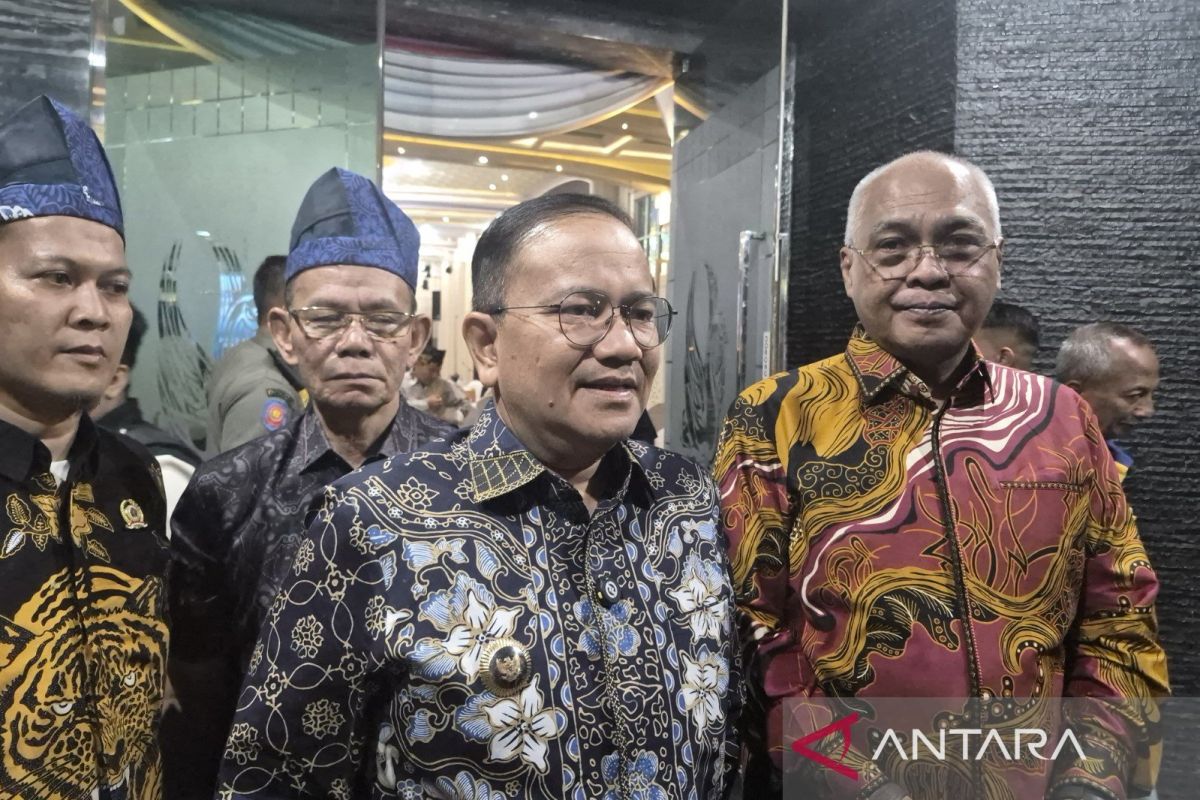
The General Chairman of the Indonesian Journalists Association (PWI) Central, Akhmad Munir, stated that journalists must be able to deeply understand the values and norms, or internalise the Code of Journalistic Ethics, to foster professionalism in performing journalistic duties. “The code of ethics serves as a compass for journalists in practising their profession; therefore, it must be internalised by every journalist,” said Akhmad Munir during a meeting with the Mayor of Jambi, Maulana, in Jambi on Tuesday night.
According to Munir, if journalists adhere to journalistic principles while performing their duties, they will serve as educators to the public, helping to enlighten the nation. Conversely, if these public educators are incorrect or incompetent, the public will ultimately suffer the consequences. “The difference lies only in the method of struggle. While regional heads struggle through policies and decisions, journalists struggle through works of journalism that possess integrity,” he added.
Munir noted that journalism essentially shares a vision with other elements of the nation, including regional leaders, which is to educate and liberate society from backwardness, ignorance, and primitive thinking. For this reason, he emphasised that professionalism is the primary key to unlocking various legitimate and honourable opportunities.
He also highlighted the ongoing issue of deviant journalism practices, ranging from dependency on certain rewards to acts of extortion. “We are aware of these challenges. This is the great task of the PWS: to ensure that journalists truly uphold their dignity, honour, and professionalism,” he asserted.
The Mayor of Jambi, Maulana, added that the relationship between the local government and the press has been functioning well. This is evidenced by the significant role journalists play in promoting government work programmes to the wider community. Through the dissemination of fast, accurate, and widespread information, the public can directly understand and feel the impact of ongoing development programmes. The Mayor also emphasised that the local government remains open to the various functions of the press, including the role of social control through constructive criticism. Media criticism is viewed not as a weakness, but as a constructive supplement to governance.