
PWI and AFPI Strengthen Public Literacy on the Pindar Industry
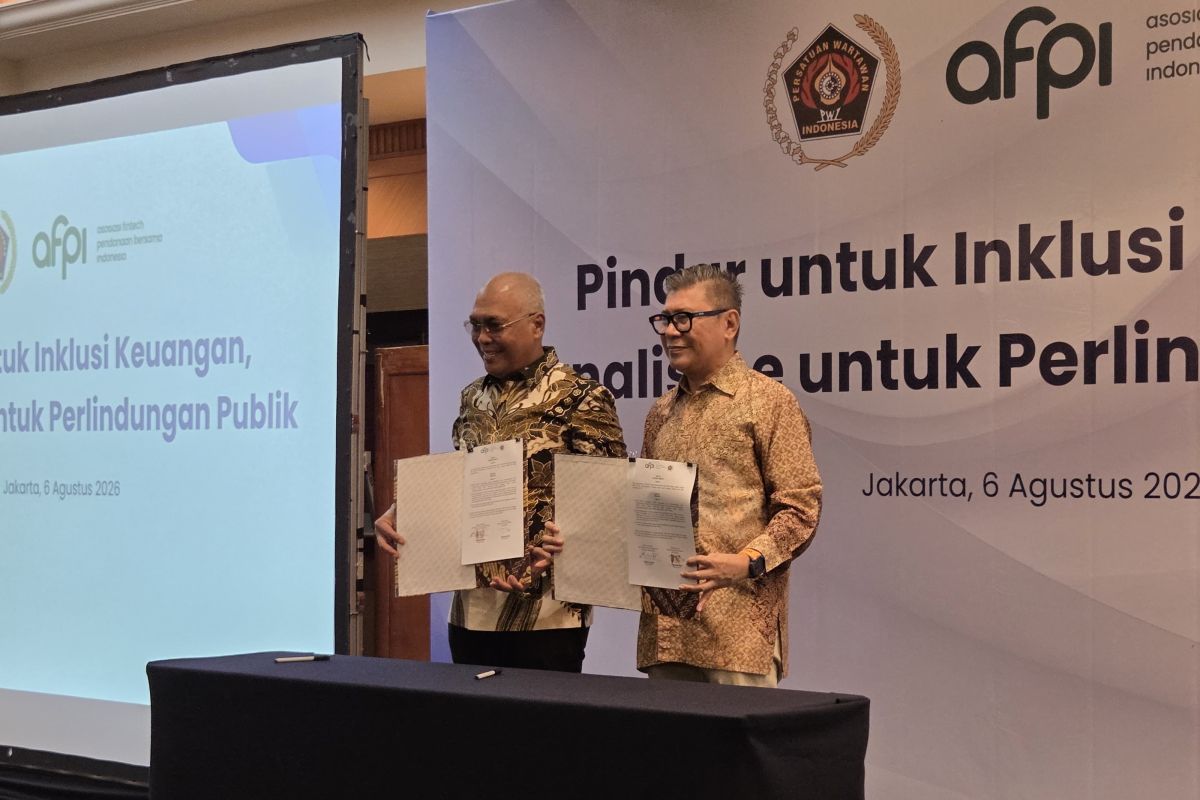
The Central Board of the Indonesian Journalists Association (PWI) together with the Indonesian Fintech Lending Association (AFPI) are strengthening digital literacy and increasing the capacity of press personnel to educate the public about the online lending (pindar) industry. This was achieved by holding a Journalism Workshop themed ‘Pindar for Financial Inclusion, Quality Journalism for Public Protection’.
PWI Central Chairman Akhmad Munir stated that this workshop is part of the shared commitment between PWI and AFPI to build a healthy information ecosystem and strengthen efforts to eradicate illegal online loan (pinjol) practices, which are still rampant. He noted that the development of the digital finance industry must be balanced with increased public literacy so that people do not become victims of illegal online loans.
‘We still hear and see various cases of people becoming victims of illegal online loans. They are often trapped by extremely high interest rates, subjected to unethical collection practices, intimidated, and even terrorised,’ Munir said. He emphasised that the issue of illegal online loans is not just about debt burdens and high interest rates; the impacts also include unethical collection practices, intimidation and terror, misuse and leakage of personal data, digital fraud, and broader social consequences for victims and their families.
Therefore, the public, including journalists, need accurate and trustworthy information to be able to distinguish between legal pindar providers and illegal online lending activities. Munir stressed that the press holds a very strategic position in building national financial literacy. The press is not only tasked with conveying information but also with carrying out educational and social control functions. ‘In the context of the digital finance industry, journalists are required to be able to explain quite complex issues in language that is easily understood by the public,’ he said. Reporting on pindar should not stop at merely covering cases or controversies; the media also needs to provide adequate space for information on how pindar works, its benefits for the public and MSMEs, its regulations, and consumer protections.
AFPI Chairman Entjik S. Djafar added that financial literacy cannot be undertaken by the industry alone. ‘Literacy cannot be done by the industry by itself. The media is a crucial partner in presenting accurate, balanced information that is easily understood by the public. With proper education, the public can differentiate between legal pindar services supervised by regulators and harmful illegal online loan practices,’ he said.
The event concluded with the signing of a Memorandum of Understanding (MoU) between PWI and AFPI as a form of commitment from both organisations to strengthen synergy in improving public financial literacy through education and the dissemination of information regarding legal and responsible pindar. Head of the Microfinance Institutions and Other Financial Services Institutions Supervision Department at the Financial Services Authority (OJK), Adief Razali, expressed his appreciation for the collaboration, viewing the press as a strategic partner in building a healthy financial services ecosystem.