
Putin Visits Kuril Islands, Japan Protests Strongly
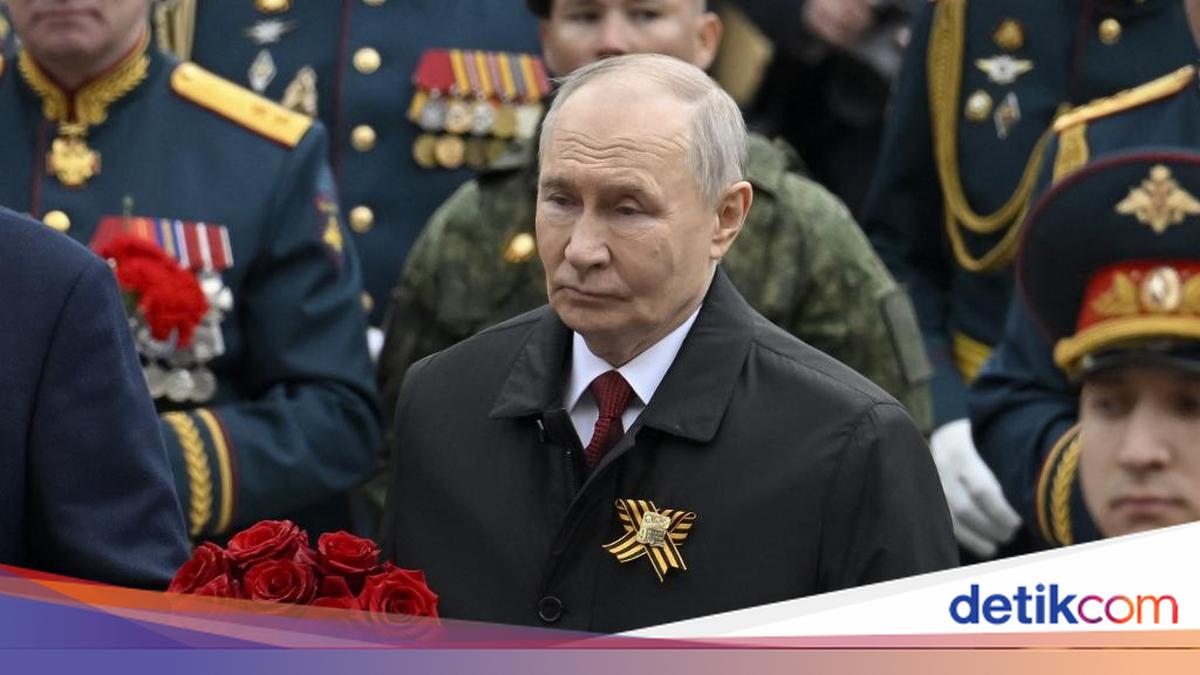
Russian President Vladimir Putin visited the Kuril Islands for the first time on Thursday, sparking a furious reaction from Japan, which also claims the disputed territory. Relations between Russia and Japan have long been haunted by tensions over the contested islands, known in Japan as the Northern Territories, which were seized by the Soviet Union in 1945.
The Kremlin posted a video of Putin on the Kuril Islands, with Russian media reporting that he visited a fish processing plant. Putin made the trip to the Kurils after visiting the nearby island of Sakhalin, where the Russian navy conducted military exercises. In Sakhalin, Putin held a meeting “to ensure the security of Russia’s eastern borders,” Russian media RIA Novosti reported.
“The Northern Territories are an inherent part of Japan’s territory, both historically and under international law, and the Japanese government lodges a strong protest against this visit,” Japanese Foreign Minister Toshimitsu Motegi said in a statement, as reported by AFP on Thursday. Putin’s visit comes amid deteriorating relations between Russia and Japan since the full-scale invasion of Ukraine in 2022, even as Russia’s ties with China and North Korea have improved.
The Soviet Union seized the strategically located volcanic islands north of Hokkaido in the final days of World War II and has maintained a military presence there ever since. In 2010, then-President Dmitry Medvedev became the first Russian leader to visit the disputed territory, and he has made several subsequent visits since becoming prime minister. The Soviet Union only declared war on Japan on 8 August 1945, and occupied the islands after the conflict ended. The names of the islands are similar in both countries: Kunashir, Habomai, Shikotan, and Iturup in Russian, and Kunashiri, Habomai, Shikotan, and Etorofu in Japanese. After the occupation, Moscow deported the Japanese population of approximately 17,000 people, and the islands have since held strategic military importance.