
Putin promises to write off debts for those enlisting in Ukraine war
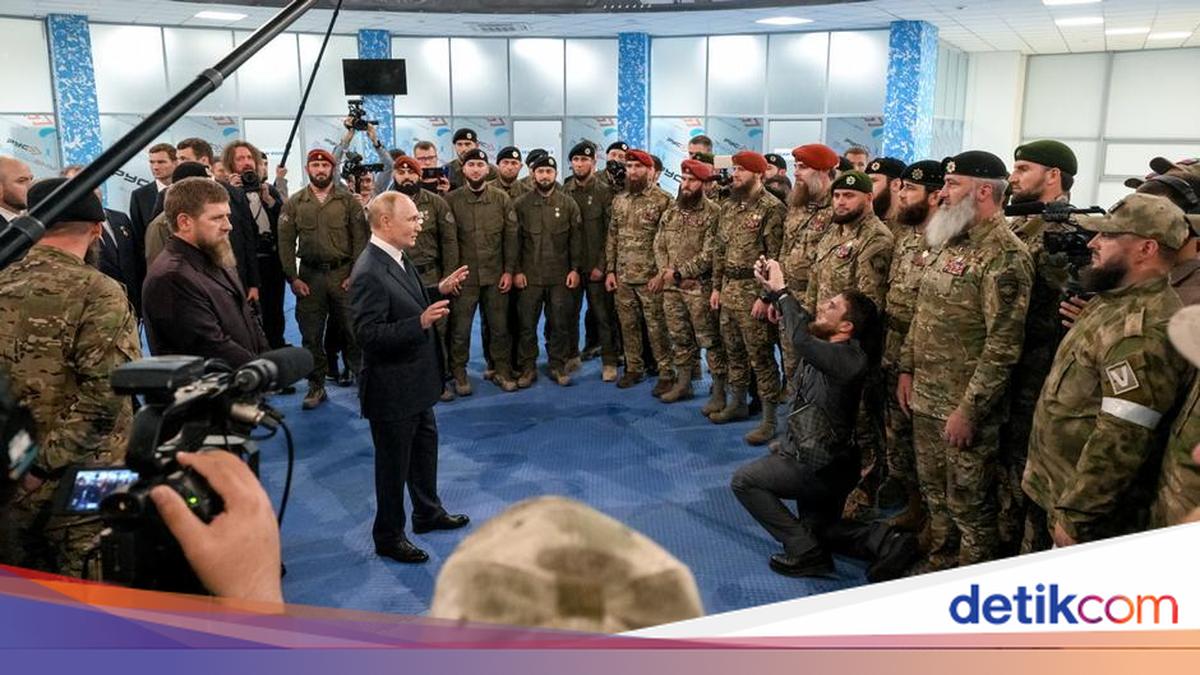
Russian President Vladimir Putin has again offered incentives for citizens willing to join the war in Ukraine. A new decree signed onMonday (25 May) will write off debts of up to 10 millionrubles (approximately£85,000 or around Rp2.5 billion) for new military recruits. The policy applies to citizens who sign military service contracts after 1 May this year. The debt write-off also extends to their spouses, but with conditions: the contract must be for at least one year and specifically for ‘special military operations’, the Kremlin’s term for its full-scale invasion of Ukraine. Debts must have been incurred before 1 May. According to data from Russian property database Cian, 10 million rubles is equivalent to the price of a 35 square metre one-bedroom apartment in Moscow. This move is part of the Kremlin’s strategy to maintain troop supplies after over four years of war. Russia has previously offered various financial incentives to those willing to fight on the front line, including high salaries and social welfare benefits. Putin also previously promised prestigious positions to veterans returning from the battlefield, prioritising them for admission to universities and higher education institutions. Russia’s economy is increasingly being directed to support war needs, with the military sector taking priority over civilian sectors. On the same day, Putin signed a new law allowing Russian military deployment abroad to protect citizens facing legal proceedings in other countries. According to Spanish news agency EFE, the rule enables Moscow to conduct military intervention if Russian citizens are perceived as facing threatened or unfair legal proceedings. Russian parliament defence committee chairman Andrey Kartapolov cited the law’s potential application in the case of Russian architect Alexander Butyagin, who was arrested in Poland in December 2025 following a Ukrainian request over excavations in Crimea — the Ukrainian territory annexed by Russia in 2014. Butyagin was later released in April in a prisoner exchange between Russia and Ukraine.