
Puskesmas No Longer Just a Place for the Sick
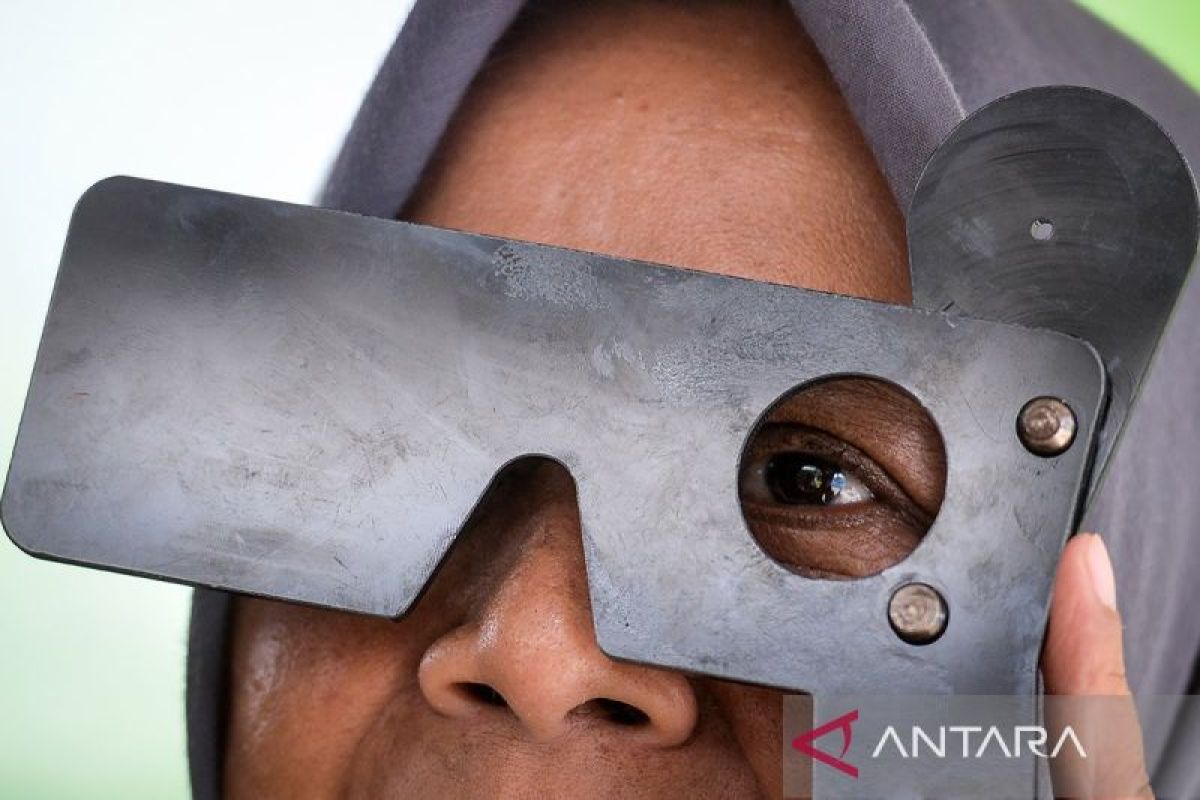
For years, puskesmas were identified solely as a place to seek treatment when people fell ill. Residents would come with complaints of fever, coughs, high blood pressure, or other already-felt health problems. When symptoms appeared, the puskesmas was the first destination. But outside of that, when the body felt healthy and there were no troubling complaints, most people rarely had a reason to visit. This perspective was not formed without reason. Indonesia’s primary healthcare system was long built with a curative orientation. The puskesmas work guidelines, which became a reference since the 1970s, were born at a time when Indonesia’s health challenges were dominated by nutrition issues, maternal and child health, and infectious diseases. The service structure formed at that time answered the needs of that era. However, Indonesia today is vastly different from five decades ago. Life expectancy has increased, the elderly population continues to grow, while non-communicable diseases such as hypertension, diabetes, and obesity have become a much larger health burden. The challenge has shifted from merely curing disease to preventing it from arising in the first place. These demographic and epidemiological changes have prompted the Ministry of Health to revitalise puskesmas work guidelines. Changes range from administrative procedures and service nomenclature to the fundamental perspective on the function of the puskesmas itself. If previously puskesmas largely acted after people fell sick, now its role is directed towards recognising health risks before diseases develop into more serious problems. This change in orientation is clearly visible through the implementation of the Free Health Check-up programme, which began in February 2025. The programme is one of the most ambitious efforts to expand national health screening. Within its first few months, more than eight million residents across all Indonesian provinces have utilised the service. Thousands of puskesmas are involved as the frontline implementers, and coverage has expanded significantly throughout 2025, with tens of millions of participants undergoing health checks through health facilities and school-based routes. Beyond the large participation numbers, the programme has provided the government with a clearer picture of the actual health conditions of Indonesian society. Examination results show that dental caries, hypertension, diabetes, and obesity are the most frequently found health problems, yet they often go unnoticed by the public themselves. These findings reveal a reality that has frequently escaped attention. The main health problems in society are not conditions that appear suddenly or are acute in nature. These diseases develop slowly over a long period and often show no symptoms in their early stages. As a result, many people only discover they have hypertension, diabetes, or other chronic diseases when complaints begin to be felt or even after complications have occurred. This is why health screening is important. It is not merely a mass examination to meet programme targets, but an instrument to shift state intervention from the treatment stage to a much earlier point. Intervention is carried out when risk factors can still be recognised and controlled, with lower costs and a greater chance of success. In this context, promotive and preventive approaches are no longer just policy slogans, but a necessity born from the changing disease patterns faced by society. Transformation is also taking place in how primary healthcare services are organised. For years, services at the puskesmas level often operated in silos. Toddlers, pregnant women, adolescents, and the elderly often had their own separate service pathways with different mechanisms. This condition was not always effective, especially as a person’s health needs change throughout their life cycle. Through Primary Healthcare Integration, the government is working to unify various services that previously operated independently into a more connected system. Besides simplifying the service flow, this effort also ensures that the public receives continuous healthcare from early childhood through to old age. The implementation of this integration is still proceeding in stages across various regions. Some areas have begun implementation in pilot puskesmas before expanding to all primary healthcare facilities. Transforming health services cannot be achieved merely through issuing regulations. Change requires organisational adjustments, capacity building for staff, and ongoing mentoring until it reaches smaller networks such as auxiliary puskesmas and integrated health posts.