
Pushing for full visa-free travel to South Korea, envoy urges Indonesians to follow rules
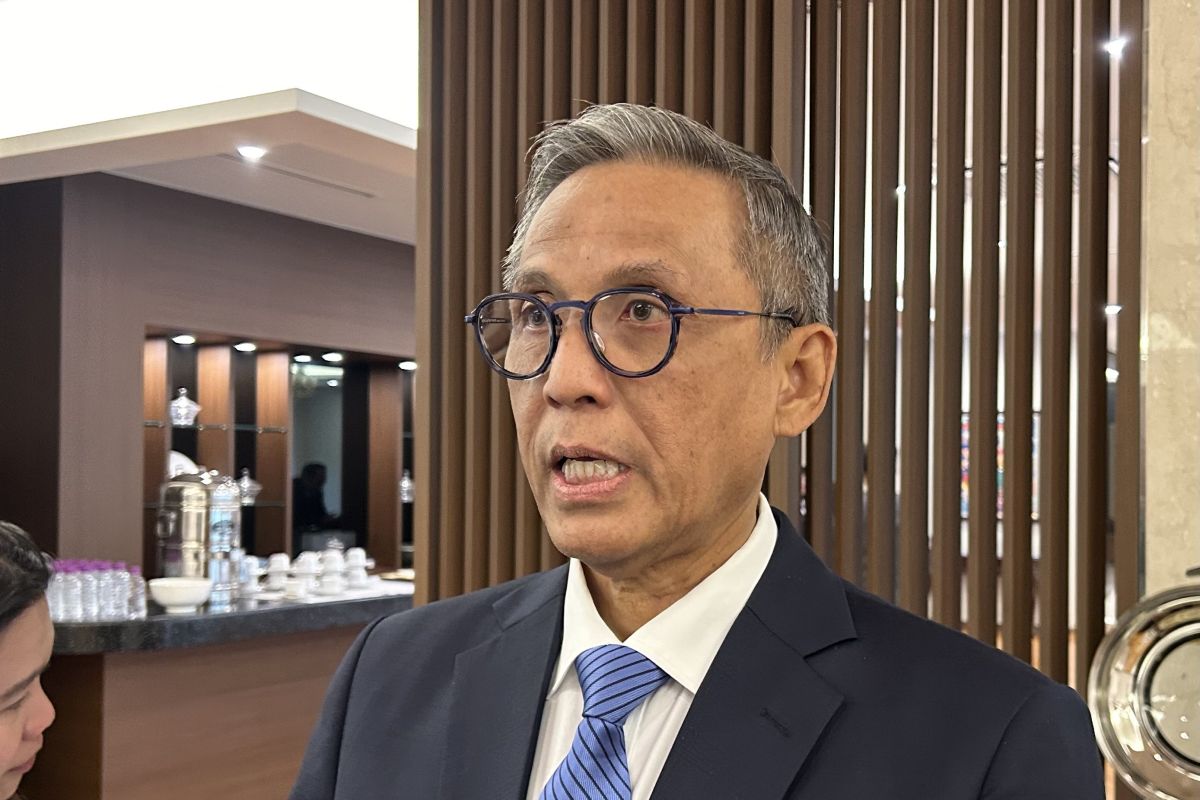
Indonesian Ambassador to South Korea Cecep Herawan has urged Indonesian nationals to comply with South Korean regulations on visa facilitation, as the government pushes for the implementation of a full visa-free scheme. The statement was made by Ambassador Cecep at the ‘Indonesian Next-Generation Journalist Network’ event organised by the Korea Foundation and the Foreign Policy Community of Indonesia, responding to reports of Indonesian nationals absconding from their groups after arriving in South Korea under the group tourist visa waiver implemented on 28 May. “We are heavily lobbied for visa-free travel, but it turns out that when there is a slight relaxation, there are individuals who exploit it to flee and become illegal migrants in Korea. This is a challenge for us,” he said. Ambassador Cecep explained that the visa facilitation for tourist groups consisting of at least three people is an implementation of the agreement reached between President Prabowo Subianto and South Korean President Lee Jae-Myung last April, who agreed to enhance people-to-people contact. Following the agreement, he continued, the Indonesian Embassy in Seoul has continued to push for easier access for Indonesians to South Korea and vice versa, by simplifying the entry permit or visa processing requirements. Following the incident, Ambassador Cecep expressed hope that it would be the first and last, and asked Indonesians to comply with existing regulations to maintain the trust of South Korean authorities. “So that the trust from the Korean government and authorities that Indonesian visitors can truly comply with the provisions that have been jointly established,” he said. “If we all maintain that, it will also make it easier, not just for Korea. Naturally, it will allow Indonesian citizens to visit friendly countries freely, without difficulty, and without a lengthy process,” he added. The Indonesian Embassy in Seoul noted that the number of tourists from and to South Korea is increasing, with the number of Korean tourists to Indonesia in 2025 reaching over 500,000, while Indonesians travelling to Korea numbered around 350,000. “This is certainly supported by direct air connectivity between Korea and Indonesia. Some time ago, last month, there was a new aircraft, a T-Way jet with cheap prices. Hopefully, this will continue to bridge the relationship between Indonesia,” he said. Beyond tourist numbers, the embassy noted that both countries are also focusing on sustainable tourism development through the Korea Partnership Initiative for Sustainable Tourism (KOPIST) programme. The programme is designed to share South Korea’s tourism development experience with developing countries and encourage global cooperation for sustainable and resilient regional tourism.