
Pursued by the US, This Indonesian Wild Plant is Being Researched as a Cure for Diabetes
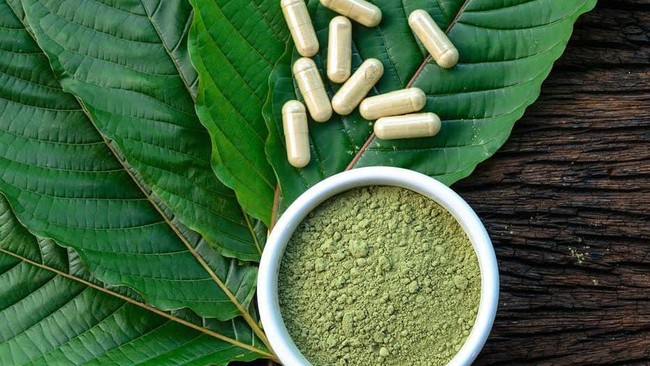
Indonesia’s National Research and Innovation Agency (BRIN) has initiated various studies on kratom, particularly its traditional uses and pharmacological activities. Research has found that kratom exhibits dual anti-inflammatory effects from its alkaloids and extracts, providing analgesic benefits. Regarding safety and addiction potential, the World Health Organization (WHO) is still researching the addictive nature of kratom.
“Currently, testing of kratom for diabetes treatment is underway through in vivo and in vitro trials. Empirically, data from colleagues in Kalimantan with diabetes histories who consume kratom show lowered glucose levels and improved conditions compared to before consumption,” explained Masteria Yunovilsa Putra, Head of the Vaccine and Drug Research Centre at BRIN’s Health Research Organisation, quoted from the BRIN website on Thursday (14/5/2026).
The research was published in BRIN Insight Every Friday (BRIEF) edition 133, themed “Kratom: Traditional Uses vs Modern Applications,” in September 2024.
Kratom leaves have gained popularity among communities due to health benefit claims and controversies. This plant, originating from Southeast Asia including Indonesia, is used in traditional medicine. Through the Ministry of Trade, the Indonesian Government has officially regulated kratom handling, utilisation, and trade under Minister of Trade Regulation Number 20 of 2024.
“Kratom or Mitragyna speciosa is an endemic plant in Southeast Asia, particularly in Malaysia and Indonesia, with its main habitat in Kalimantan, and also found in some areas of Thailand. It is generally exported to America and Europe,” Masteria explained.
Kratom is a Rubiaceae plant, in the same family as coffee. Local names include purik and ketum in West Kalimantan, and kedamba and kedemba in East Kalimantan. There are several types of kratom leaves, such as those with green and red leaf veins.
Masteria continued that traditional kratom use involves consuming dried leaves directly or brewing them in hot water to drink as tea.
“Kratom is believed to treat intestinal infections, muscle pain, coughs, diarrhoea, and to boost energy and mood. In the 19th century, opium addicts in Malaysia and Thailand used kratom to overcome addiction,” she stated.
Kratom compounds were first isolated by Hooper in 1921, with research ongoing for 103 years and still controversial. A 1921 paper in the Journal of The Chemical Society Transactions noted that Ellen Field isolated mitragynine and mitraversine from Mitragyna speciosa. She mentioned kratom’s use in treating opium addiction and local anaesthesia.
“At least 40 alkaloid compounds are found in kratom leaves, with five main ones: mitragynine, paynantheine, speciogynine, 7-hydroxymitragynine, and speciocilatine, varying in content by region between 50 and 70%. The most studied for analgesic and addictive properties are mitragynine and 7-hydroxymitragynine. These two are also researched individually for analgesic, anti-inflammatory, and cancer potential,” she elaborated.
In 2021, the WHO Expert Committee on Drug Dependence (ECDD) conducted a pre-review of kratom’s health impacts. Their conclusion was that there was insufficient evidence for a critical review, but WHO continues surveillance.
“Research on kratom at BRIN’s Vaccine and Drug Research Centre to date includes standardisation of alkaloid extracts, in vitro studies on antioxidant activity in cells, dual anti-inflammatory activity and adjuvant for cancer therapy, and in vivo studies on analgesic activity, withdrawal effects, and acute oral toxicity tests,” she said.
According to her, kratom extracts have antioxidant properties that protect cells from free radicals like reactive oxygen species (ROS) and nitric oxide. Kratom extracts, both crude and alkaloid, exhibit anti-inflammatory activity by inhibiting COX-2 and 5-LOX like NSAIDs, with fewer side effects and potential as cancer therapy adjuvants.
“Kratom extracts show analgesic effects in vitro and in vivo. Our in vivo studies indicate that at certain doses, kratom alkaloids have twice the analgesic effect of crude extracts,” Masteria stated.
Furthermore, Masteria revealed that chronic administration of increasing doses of kratom alkaloids induces fewer withdrawal symptoms compared to the morphine group.
“Additionally, kratom alkaloids used to treat the morphine-treated group tend to reduce withdrawal symptoms,” she concluded.
Source: jawawa.id (https://jawawa.id/newsitem/pursued-by-the-us-this-indonesian-wild-plant-is-being-researched-as-a-cure-for-diabetes-1778788048)
Originally published by CNBC Indonesia (https://www.cnbcindonesia.com/lifestyle/20260514082303-33-734913/diburu-as-tanaman-liar-ri-ini-diteliti-mujarab-obati-diabetes), translated from Indonesian