
Purple Yam Becomes the Philippines' New Gold, Farmers Struggle to Meet Demand
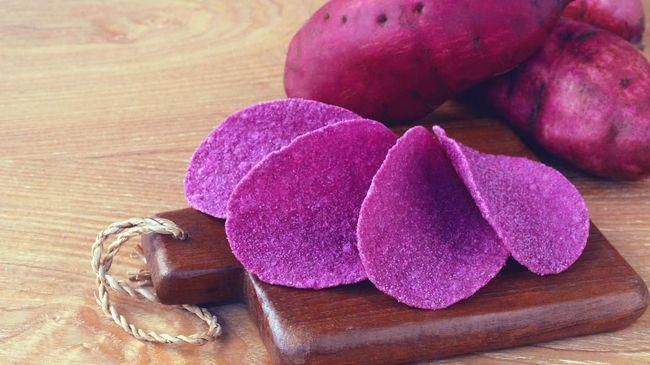
Purple yam, or ube, long considered a traditional food in the Philippines, is now being elevated to a high-value global commodity. Its international demand has soared, particularly after gaining traction on social media and being featured by major food and beverage chains worldwide.
Scientifically known as Dioscorea alata, the tuber’s striking purple colour has become its main appeal in an era of visual consumption. Products such as cheesecakes, brownies, ice cream, and specialty drinks have proliferated, with chains like Starbucks and Costa Coffee introducing ube-based items in Western markets. Its photogenic quality and premium image have driven demand far faster than the current rate of production.
This surge, however, has created significant supply-side challenges in the Philippines. Farmers are struggling to meet the skyrocketing demand due to the crop’s long growing cycle, which requires approximately 10 months before harvest and typically yields only one annual crop. The country’s vulnerability to tropical storms and floods further threatens the delicate production process. Additionally, cultivation remains largely traditional, with small-scale farmers using limited technology and having to reserve a portion of each harvest for replanting, making it difficult to scale up output aggressively.
The supply crunch has naturally led to higher prices, with the cost of ube in the Philippines reportedly rising from 30-50 pesos per kilogram a few years ago to 150 pesos per kilogram in 2026. This has transformed the once-humble root crop into a lucrative source of income for local farmers. The high prices and scarcity have also triggered a rise in counterfeit products, with some sellers substituting ube with ordinary purple sweet potatoes or powder, potentially undermining the authenticity and premium status of the Filipino original.
This global phenomenon presents a strategic opportunity for Indonesia, which already has an established sweet potato export market. Indonesian sweet potato exports, recorded under HS code 07142090, reached a peak of US$8.49 million in 2023 but have since declined to US$6.82 million in 2024 and US$6.37 million in 2025. With its large agricultural capacity and suitable agro-climatic conditions, Indonesia is well-positioned to capitalise on the growing international demand for premium tuber varieties like ube, provided it can address challenges in downstream processing, quality standardisation, and the development of high-value-added varieties.