
Purbaya: West Java Regional State Budget Surplus Rp22.02 Trillion
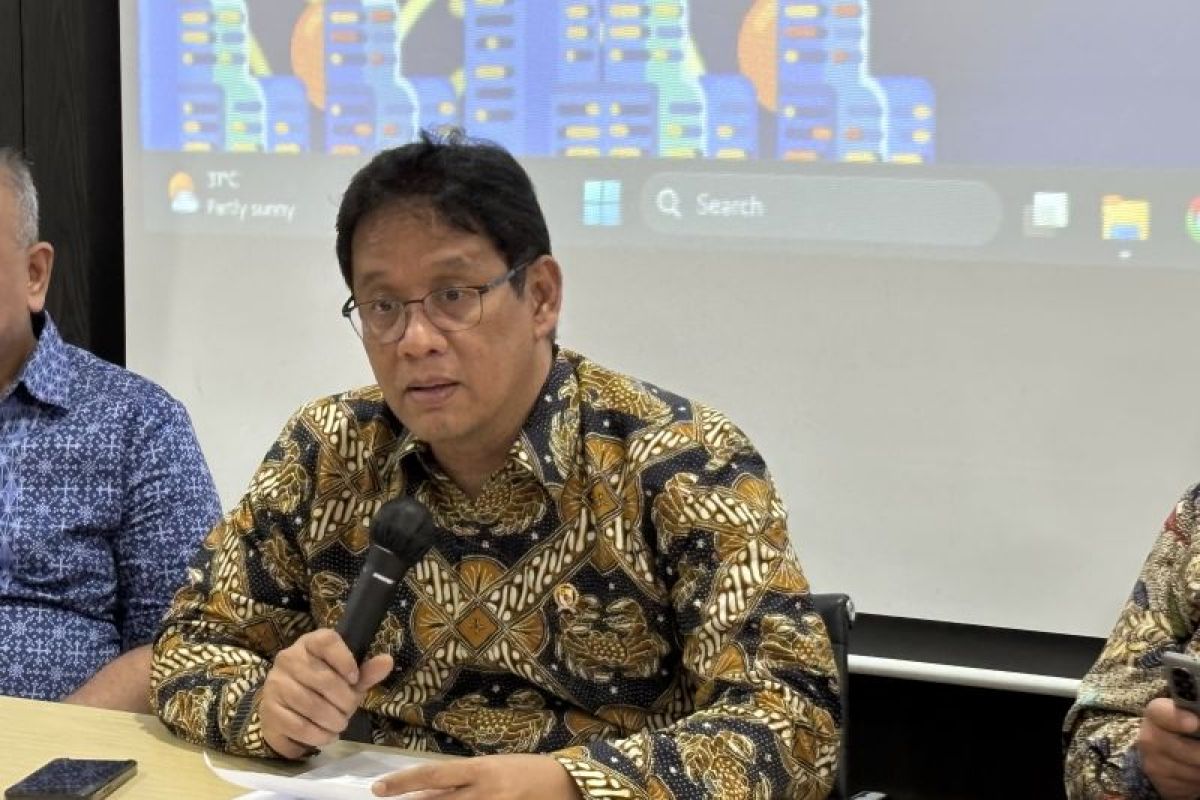
Finance Minister Purbaya Yudhi Sadewa reviewed the implementation of the State Budget (APBN) in West Java during a visit to the Regional Office of the Directorate General of Treasury (Kanwil DJPb) in Bandung on Monday (24/8). During the visit, the minister examined developments in state revenue, state spending realisation, transfers to regions and village funds, and the implementation of various government programmes that directly affect the public. “Every rupiah of the APBN must continue to work, not merely be recorded as a realisation figure, but truly provide tangible benefits for the community,” the minister said in a statement quoted on Wednesday (26/8).
According to a report from the West Java DJPb Regional Office, APBN implementation up to 31 July 2026 continued to show positive performance, with a regional surplus of Rp22.02 trillion. The surplus was supported by state revenue reaching Rp85.61 trillion, or 45.41 per cent of the target. Meanwhile, state spending had been realised at Rp63.59 trillion, or 57.02 per cent of the ceiling.
State revenue grew 6.81 per cent compared with the same period the previous year. On the taxation side, receipts up to the end of July 2026 reached Rp81.30 trillion, growing 7.35 per cent year on year. These receipts comprised tax revenue of Rp63.84 trillion, which grew 10.41 per cent, and customs and excise revenue of Rp17.46 trillion. The processing industry remained the largest contributor to West Java’s tax revenue, contributing Rp30.60 trillion, or 47.93 per cent of total tax receipts. This performance reflects the important role of the industrial sector in supporting economic activity as well as state revenue in West Java.
On the spending side, APBN realisation up to 31 July 2026 reached Rp63.59 trillion. Although state spending contracted 1.45 per cent year on year, spending by ministries and agencies actually grew 28.86 per cent, with realisation of Rp26.61 trillion, or 53.53 per cent of the ceiling. Growth in ministry and agency spending was particularly visible in capital expenditure, which reached Rp3.11 trillion, a significant increase of 115.37 per cent compared with July 2025. The increase indicates an acceleration of spending that supports development and the provision of public services.
Meanwhile, transfers to regions and village funds had been realised at Rp36.98 trillion, or 59.82 per cent of the ceiling. Of this amount, regional transfer disbursement reached Rp35.46 trillion, while village funds reached Rp1.52 trillion by the end of July 2026.
The finance minister also stressed that the APBN does not stop at realisation figures, but must be translated into economic activity and benefits felt by the public. Such support is provided, among other things, through financing for the business sector. “We want to ensure that the APBN in West Java does not stop at budget absorption reports, but is present in the form of economic activity, business support, development, and improvements in public welfare,” the minister asserted.
Fiscal support is also directed at strengthening the implementation of various government priority programmes. The Free Nutritious Meals programme, for example, has been implemented in 27 regencies and cities in West Java through 6,794 Nutrition Fulfilment Service Units and has reached 14,680,810 beneficiaries.
In addition, the APBN supports various other strategic programmes, including the Housing Financing Liquidity Facility, the establishment of Red and White Village and Sub-district Cooperatives, People’s Schools, food and energy security programmes, and the distribution of People’s Business Credit and Ultra Micro Credit. Up to July 2026, People’s Business Credit distribution in West Java reached Rp23.24 trillion to 357,300 debtors. Meanwhile, Ultra Micro Credit had been distributed at Rp1.31 trillion to 226,400 debtors.
Amid global economic dynamics, West Java’s economic conditions also showed strong resilience. In the second quarter of 2026, West Java’s economy grew 5.73 per cent year on year and 2.25 per cent quarter on quarter. This growth was mainly supported by the processing industry sector, which is one of the main contributors to West Java’s economy.
In addition, price stability was maintained. West Java’s inflation in July 2026 was recorded at 2.72 per cent year on year. West Java’s trade balance for the January-July 2026 period recorded a surplus of USD13.79 billion. This performance shows that the APBN continues to play its role as a shock absorber as well as a driver of regional economic growth.
Fiscal support, strong domestic demand, and price stability are important foundations for West Java’s economic resilience amid global uncertainty. Through the direct visit, the finance minister stressed the importance of ensuring that every rupiah of the APBN is managed optimally, well targeted, and provides tangible benefits for the public. “What we are ensuring is that state funds are managed optimally, well targeted, and able to serve as a catalyst for regional and national economic growth,” the minister concluded.
The government will continue to optimise the APBN as an instrument to support national priority programmes, maintain public purchasing power, strengthen business activity, and encourage sustainable regional and national economic growth.