
Purbaya Targets US$1 Billion Panda Bonds, Highlights Strategic Benefits
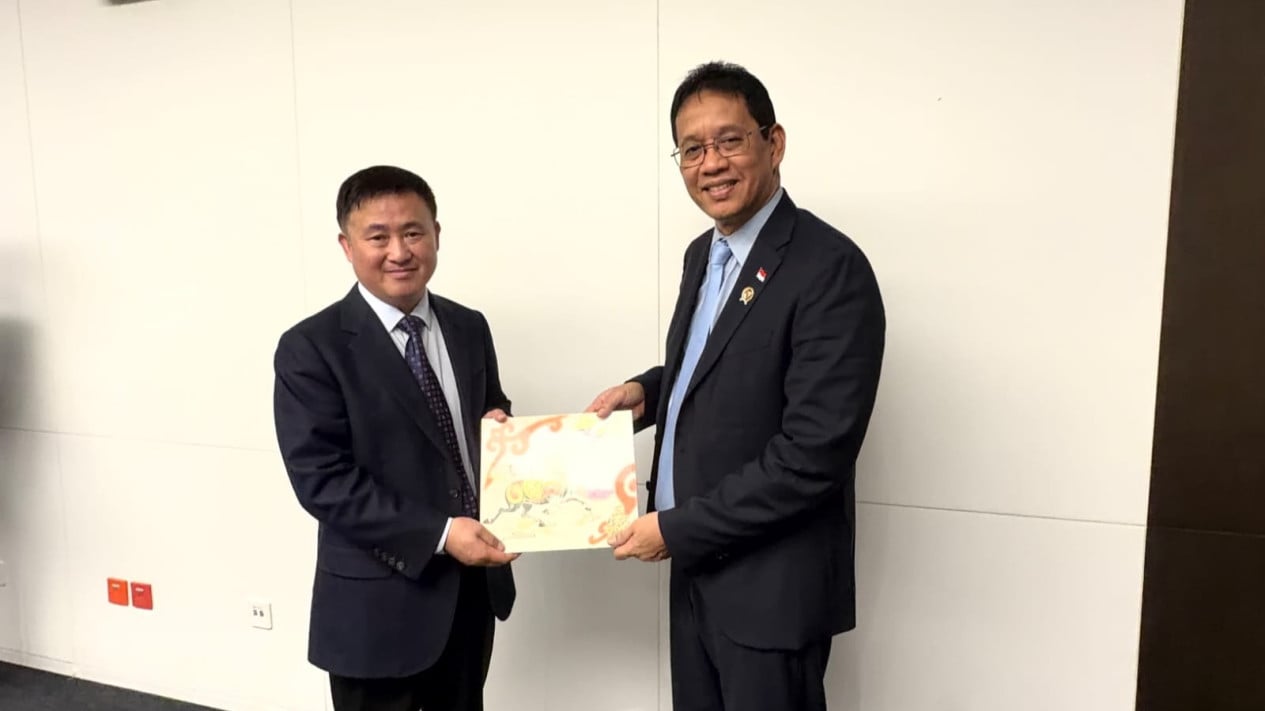
Finance Minister Purbaya Yudhi Sadewa has stated that the government is targeting the issuance of Panda Bonds worth US$1 billion. He made the announcement following a meeting with China’s Finance Minister Lan Fo’an, as well as officials from the People’s Bank of China (PBOC), the Asian Infrastructure Investment Bank (AIIB), and investors. “But we will see how the market is. If the market can accommodate a larger amount, we will increase it, depending on market conditions,” Purbaya said in Beijing on Thursday evening, 18 June 2026. The Indonesian government is preparing a plan to issue Panda Bonds in China to strengthen rupiah exchange rate stability through the diversification of international financing sources. Panda Bonds are debt securities issued by governments, multilateral institutions, or foreign companies in China’s domestic bond market, denominated in yuan or renminbi, allowing them to be sold directly to investors in mainland China. However, to issue Panda Bonds, the government, multilateral institutions, or foreign companies must comply with the regulations of China’s financial authorities, namely the People’s Bank of China (PBOC) and the National Association of Financial Market Institutional Investors (NAFMII). “During the meeting with the PBOC, we were asked to expedite the submission of the permit, but the underwriter has not yet submitted it. The PBOC requested that the permit be submitted immediately so they can process it promptly. So their support for this plan is very strong,” Purbaya said. With this support from the PBOC, Purbaya is optimistic that the Panda Bonds can be issued this year. “Next week, book building should begin once the permit is issued. So, in about two weeks, it might be finalised,” Purbaya said. Book building is the initial offering period where the company and the underwriter gather interest and orders from investors within a specific price range. “Then we can see the level of interest in the Panda Bonds. We want to diversify our sources of development financing so that we are not influenced by just one currency source,” he added. Furthermore, Purbaya emphasised that Indonesia and China already have a bilateral local currency transaction agreement, which facilitates transactions between the citizens of both countries.