
Purbaya Surprised as Debottlenecking Task Force Resolves 126 Cases in Just 13 Sessions
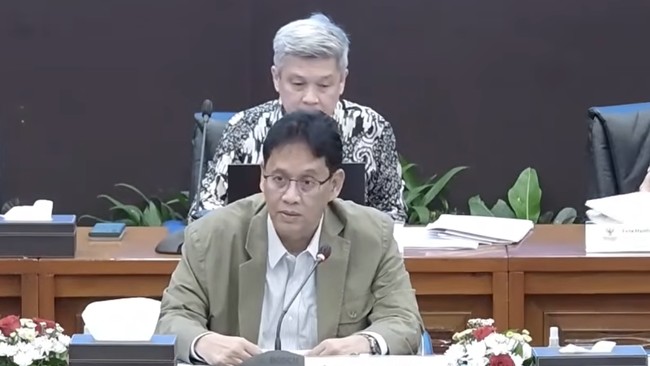
The Task Force for the Acceleration of Government Programmes to Support Increased Economic Growth, known as the Debottlenecking Task Force, had resolved 126 business impediment cases as of 12 August 2026. The task force, formed on 16 December 2026, settled the 126 cases from a total of 170 complaints submitted by business actors through the reporting channel https://lapor.satgasp2sp.go.id. As of 12 August 2026, at least 13 hearings on business impediment cases had been held, chaired directly by Finance Minister Purbaya Yudhi Sadewa. During the 13th hearing, Purbaya appeared surprised that the problems resolved by the Debottlenecking Task Force had reached 126 cases in just 13 sessions. “Thirteen sessions and 126 resolved, that’s remarkable. So the others were resolved without being heard?” Purbaya said during the 13th Debottlenecking Task Force hearing, as quoted on Thursday (13/8/2026). Responding to Purbaya’s statement, Deputy for Economic Affairs at the Cabinet Secretariat and Chair of the Working Group for the Acceleration of Programme Implementation and Resolution of Impediments for the Debottlenecking Task Force, Satya Bhakti Parikesit, provided an explanation. He noted that besides the debottlenecking hearings, the resolution of business impediment cases was also carried out at a technical level, thus not requiring escalation to a debottlenecking trial. “Some are indeed technical in nature, Mr Minister, so they are resolved at the technical level,” Satya said. For context, of the 170 total complaints received as of 12 August 2026, 126 cases have been completed, 29 complaints are in progress, and 1 complaint is queued. A total of 14 complaints were not processed due to incomplete evidence. The Debottlenecking Task Force recorded that the success rate for resolving complaints or cases submitted by entrepreneurs has reached 81 per cent, with the percentage of unresolved complaints at 19 per cent. The majority of issues reported by entrepreneurs related to business licensing, such as environmental permits, building approvals, spatial use permits, spatial planning, certification, and standardisation, totalling 82 complaints. This was followed by land and spatial planning issues with 20 complaints, import/export and logistics with 16 complaints, and taxation, customs, excise, non-tax state revenue, and fiscal support issues with 13 complaints. Funding and financing were also among the problems frequently reported by entrepreneurs, with 10 complaints, alongside industrial issues with 7 complaints, energy and electricity with 5 complaints, and pre-litigation law enforcement, including thuggery and illegal levies, with 4 complaints.