
Purbaya: Impact of Civil Servants' WFH on Efficiency Still Under Evaluation, Could Be Stopped if Conditions Improve
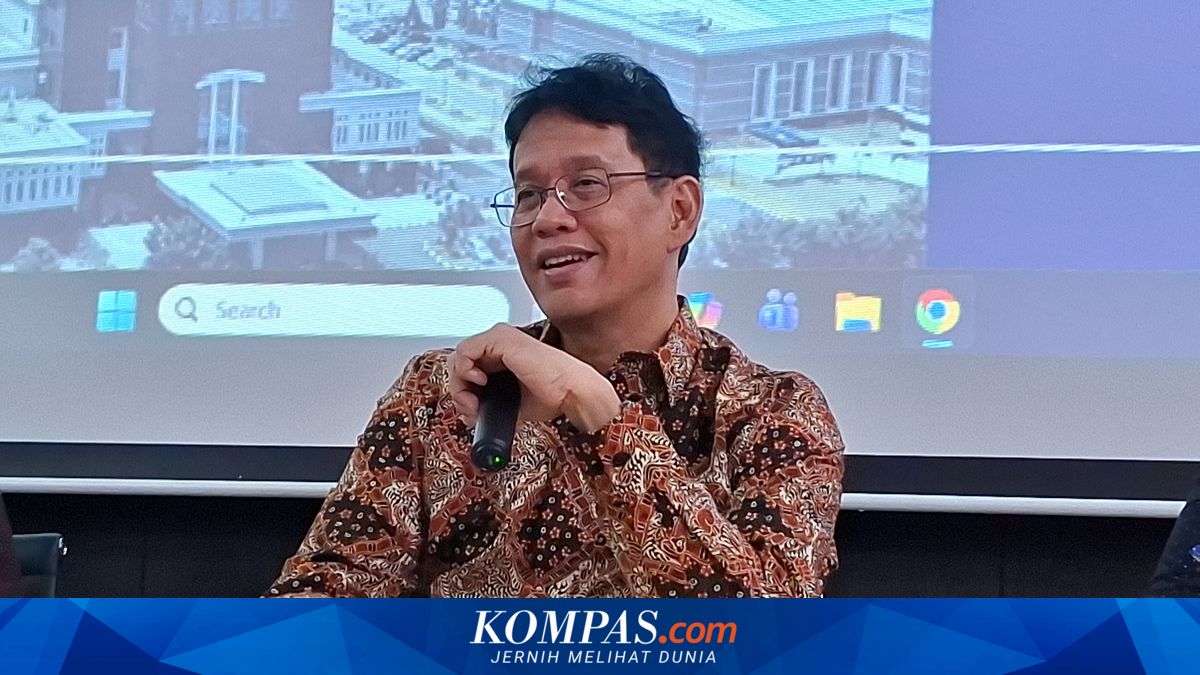
JAKARTA - Finance Minister Purbaya Yudhi Sadewa has stated that the work-from-home (WFH) policy, which has been in place for about a month, is still in the evaluation stage, particularly regarding its impact on efficiency and the overall economic situation.
Purbaya said that the continuation of the policy will heavily depend on developments in external factors, especially global oil prices.
“We’ll first see how the global oil developments unfold. And we’ll see if we still need to save a bit or not. But if it improves, we’ll just lift it and return to normal,” Purbaya told the media at the Ministry of Finance in Jakarta on Monday (4/5/2026).
Purbaya assessed that, so far, the impact of the WFH policy on the economy tends to be non-negative and even has the potential to provide neutral to positive effects.
“The impact is probably neutral or positive on the economy,” said Purbaya.
“There are other factors slowing down the economy, but we’ll fix that soon. Tomorrow’s economic growth data is said to be good,” he added.
Previously, the Government promoted a change in work patterns through the WFH policy for one day each week, specifically every Friday.
The WFH policy applies to central and regional agencies. Technical arrangements will be outlined through circulars from relevant ministries. The main objective is to enhance efficiency and digital-based productivity.
Several sectors are exempted from the WFH policy. Public services such as health, security, and sanitation will continue to operate normally. Strategic sectors such as industry, energy, food, transportation, logistics, and finance are also unaffected.
Teaching and learning activities will continue to be conducted in-person for five full days a week for primary to secondary levels.
The policy has been in effect since 1 April 2026. The Government will evaluate its implementation after two months.
Savings in public fuel consumption are estimated to reach Rp 59 trillion.
The Government is also refocusing the budgets of ministries and agencies. Expenditures such as official travel, meetings, and ceremonial activities are being cut.