
Purbaya Denies Tax Crackdown on Boarding House Businesses: Collection as Usual
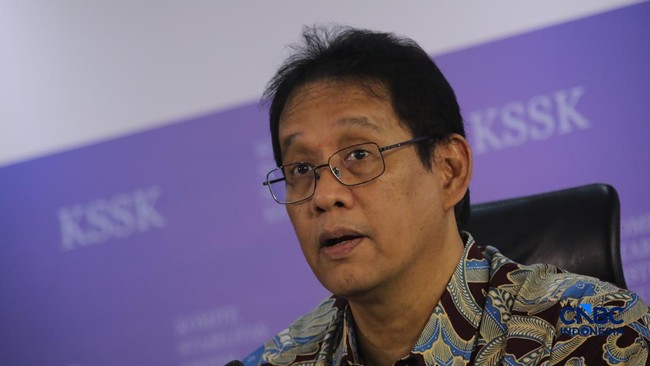
Finance Minister Purbaya Yudhi Sadewa has stressed that the taxation of boarding house income is merely standard income tax collection. He considers the collection of income from house rentals to be commonplace. “There is no specific move to chase boarding houses. It is just business as usual, but normally if there is income, there is tax,” he told reporters at the Juanda Building in Jakarta on Wednesday (12/8/2026). Purbaya also dismissed the notion that the government is specifically “hunting” boarding house entrepreneurs regarding income tax. “But if we are going to chase boarding houses, there is no such order,” he asserted. “So it is not a new tax, it is just business as usual.”
Previously, the Director of State Budget Formulation at the Ministry of Finance’s Directorate General of Budget, Rofyanto Kurniawan, stated that the government would expand the tax base, including optimising groups of people who own more than one house and earn income from property rentals. That statement subsequently sparked public concern about the possible emergence of a new tax for boarding house owners. However, the Directorate General of Taxes had previously also confirmed that property rental income has long been a tax object and that no new levy policy is being prepared.
The tax collection on boarding house owners has been regulated in Government Regulation Number 34 of 2017 concerning Income Tax on Income from Land and/or Building Rentals, which has been in effect since 2 January 2018. An article on the tax office’s website states that income from the rental of land and/or buildings, whether part or all of the building, is subject to final income tax. Based on Article 4 paragraph (1) of the regulation, the rate is 10% of the gross rental value. The gross amount includes all sums paid or recognised as debt by the tenant related to the rented land and/or building. Its scope includes costs for maintenance, upkeep, security, services, and other facilities, whether the agreements are made separately or combined with the rental agreement. Costs are calculated from the gross amount, so expenses incurred by the owner to obtain rental income do not reduce the basis for this final income tax. The facility for a gross business turnover of up to Rp500 million, which is not subject to income tax for individual taxpayers, also does not apply to boarding house income. If the tenant acts as or is appointed as a tax withholder, such as a government body or domestic corporate taxpayer, the final income tax is withheld by the tenant. If the tenant is not a tax withholder, the owner or the party renting out the property must pay the final income tax owed independently.