
Purbaya Calculates Illegal Cigarettes Cause State Losses of Rp60 Trillion Annually
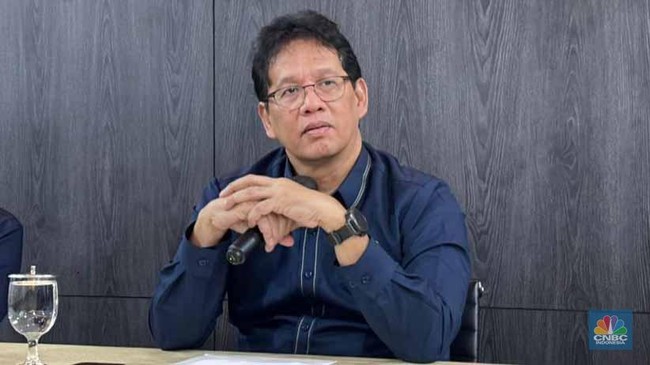
Jakarta, CNBC Indonesia - Finance Minister Purbaya Yudhi Sadewa plans to visit the DPR to request approval for accelerating the addition of a new excise tax layer. This new excise tax layer for tobacco products (CHT) will be established to accommodate illegal cigarette producers entering the legal business by fulfilling their obligation to attach excise stamps to their products. “Within a week or two, I’ll go straight to the DPR if things aren’t sorted out. If I can resolve it, great; if not, I’ll head there. On Friday, I’ll go,” Purbaya stated firmly at the Juanda I Building of the Ministry of Finance in Jakarta on Tuesday (21/4/2026). Purbaya emphasised that establishing this layer is crucial because revenue leakages from CHT have been quite significant to date. Although difficult to measure precisely, Purbaya estimates the value at around 30% of total annual cigarette excise revenue, which is approximately Rp200 trillion. Thus, the leakage from the circulation of illegal cigarettes, in his view, amounts to Rp60 trillion. “30% of Rp200 trillion is Rp60 trillion, right? Let’s say I only get half of it, around 15%, it could potentially yield Rp20-30 trillion,” Purbaya said. He also stressed that the new CHT layer to accommodate illegal cigarette producers is intended to allow them to sustain their businesses legally. “But the key point is that the entire market becomes legal. Those playing illegally will be shut down. Right now, they claim they can’t survive. But if we resolve these issues and provide space for them to enter, and they still don’t comply, then we’ll close them down,” Purbaya asserted. In addition to the new CHT layer, Purbaya highlighted that illegal cigarette producers will also be given facilities in Special Economic Zones (KEK), just like other businesses, to enable them to operate legally. “So, they’ll all be in one place, making it easier to monitor production. I think that’s a positive step with the potential to increase state revenue, not disrupt it, because those who enter— the illegal players— at least we’ll have one layer so they can join the legal market. If we provide the legal market and they still violate it, I’ll shut them down,” Purbaya explained.