
Purbaya Budgets Rp 1,896 Trillion for 60 Prabowo Priority Programmes in 2027, See the Details
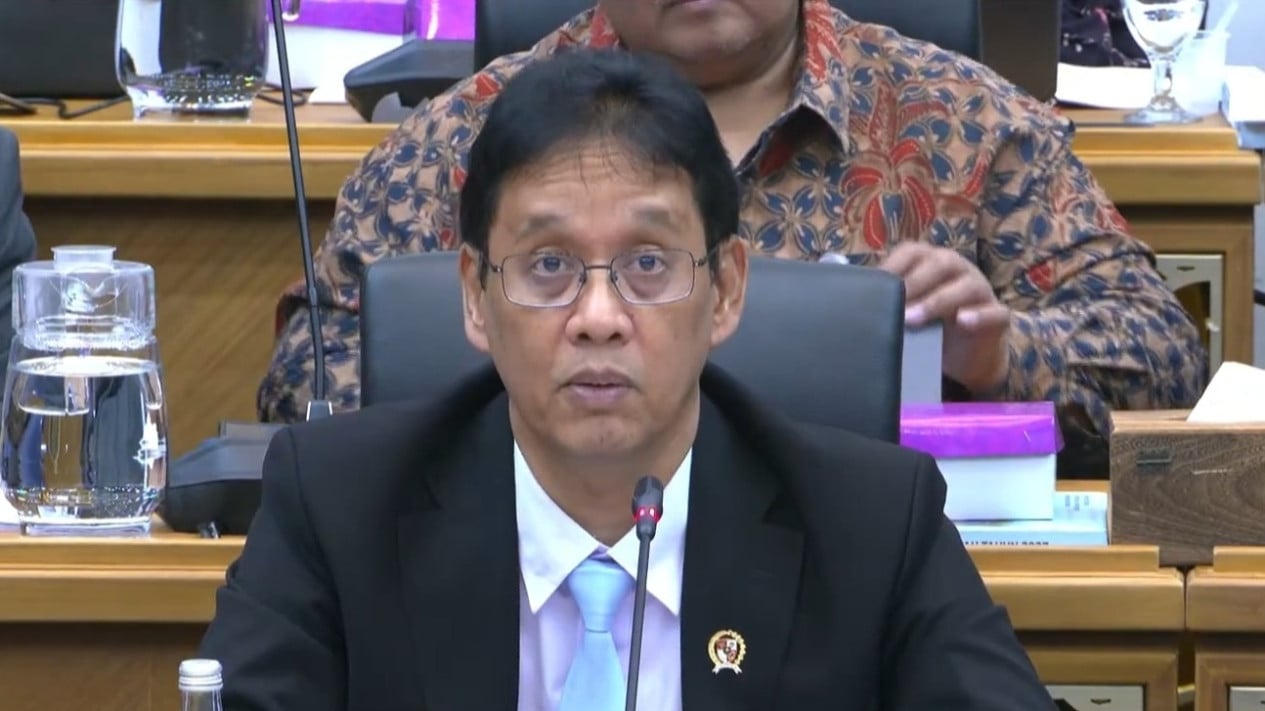
Jakarta – Finance Minister Purbaya Yudhi Sadewa stated that the state spending target for 2027 will be in the range of 13.62 to 14.80 percent of Gross Domestic Product (GDP). During a meeting with the Budget Committee (Banggar) of the Indonesian House of Representatives (DPR RI), Purbaya detailed that this already includes the funding requirements for various National Priority Work Programmes (PKPN), which are estimated to reach Rp 1,720 to Rp 1,896 trillion and consist of 60 programmes across 8 different clusters. “State spending in 2027 is planned to be in the range of 13.62 percent to 14.80 percent of GDP,” Purbaya said at the DPR RI, Senayan, Jakarta, on Tuesday, 9 June 2026. “The macro fiscal posture for 2027 has taken into account the funding needs for various PKPN, estimated to reach Rp 1,720 trillion to Rp 1,896 trillion,” he stated. Purbaya confirmed that the 2027 state spending target is as previously conveyed by President Prabowo Subianto in the Macro Economic Framework and Fiscal Policy Principles (KEM-PPKF), as a prelude to the 2027 Draft State Revenue and Expenditure Budget (RAPBN). The allocation of PKPN spending, according to him, will be channelled through central government expenditure, optimised transfers to regions and village funds, as well as budget financing. He stressed that the government will remain committed to improving the quality of state spending through efficiency efforts and budget refocusing so that allocations become more productive and targeted. “And capable of delivering a real impact on the economy and society,” he said. On the same occasion, Minister for National Development Planning (PPN)/Head of Bappenas, Rachmat Pambudy, elaborated that the 60 programmes within the PKPN across 8 different clusters include aspects of food sovereignty; energy and water self-sufficiency; education; health; downstreaming and industrialisation; infrastructure, housing and disaster resilience; people’s economy and villages; and poverty reduction. Rachmat explained that the eight clusters essentially do not operate independently but are interconnected with one another. For example, the food cluster is linked to nutrition, nutrition to education, education to productivity, productivity to industry, industry creates jobs, and jobs reduce the number of poor people. “Where all of that requires interconnected and interlinked facilities and infrastructure,” he said.