
Purbaya Assures Subsidised Fuel Prices Will Not Rise in 2026
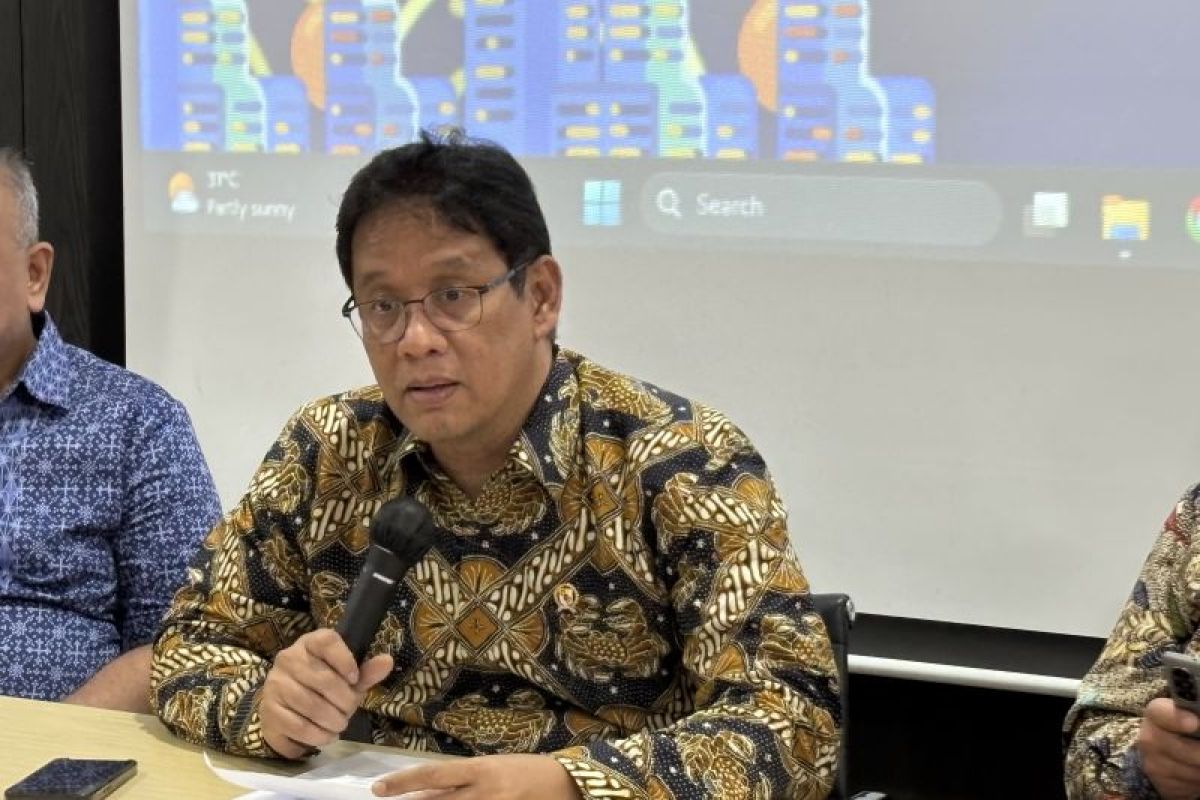
Finance Minister Purbaya Yudhi Sadewa has assured that subsidised fuel (BBM) prices will not increase until the end of 2026. Prices will be held steady even as global oil prices continue to rise due to escalating conflicts in the Middle East.
Purbaya emphasised that this policy has been calculated with the assumption of global oil prices at around US$100 per barrel until the end of the year.
“We are prepared not to raise subsidised BBM prices until the end of the year, assuming oil prices at US$100 per barrel,” he stated during a working meeting with Commission XI of the House of Representatives (DPR RI) in Jakarta.
He stressed that the government has prepared various mitigation measures to safeguard the resilience of the State Revenue and Expenditure Budget (APBN) in facing oil price fluctuations, whether in scenarios of US$80 or US$100 per barrel. According to him, the energy subsidy budget remains secure, so the public need not worry about potential increases in subsidised BBM prices.
In addition to relying on the APBN, the government also has additional fiscal buffers, one of which is through the Remaining Budget Funds (SAL) amounting to Rp420 trillion, including around Rp200 trillion placed in the banking sector.
On the other hand, potential increases in state revenue also serve as a supporting factor, particularly from Non-Tax State Revenue (PNBP) in the energy and mineral resources (ESDM) sector, in line with rising global commodity prices.
Purbaya noted that the government is also carrying out budget efficiencies across various ministries and agencies to keep fiscal space healthy. This step is crucial given that every US$1 increase in oil prices per barrel could add up to Rp6.8 trillion to the subsidy burden.
Through a combination of spending efficiencies and revenue optimisation, the government targets maintaining the APBN deficit at around 2.92% without excessively relying on reserve funds.
“The key is ensuring funds are available; we will also control expenditures and boost revenues from various sectors, including commodities,” said Purbaya.
This policy demonstrates the government’s efforts to maintain domestic energy price stability while upholding fiscal discipline amid mounting global pressures.
The Finance Minister has added up to Rp100 trillion to the energy subsidy budget to anticipate the impacts of Middle East conflicts, global oil prices, and the APBN deficit.
Purbaya mentioned that Pertamina is temporarily absorbing the price differential for non-subsidised BBM as global oil prices surge, while the government holds back on price increases.
Members of Commission VI of the DPR RI, Christiany Eugenia Paruntu, assessed that PT Pertamina (Persero) still has adequate financial capacity to bear the BBM price differential.
The surge in global oil prices raises concerns about domestic fiscal pressures. The room to maintain the APBN deficit below the 3% threshold is becoming increasingly challenging.
The DPR RI believes the government needs to consider adjusting BBM prices to reduce the currently heavy fiscal burden.
Adjustments cannot be made drastically. With oil prices at US$140 and an exchange rate of around Rp17,000, the economic BBM price could be far above current levels.