
Pupuk Kaltim Converts Agricultural and Livestock Waste into Biogas
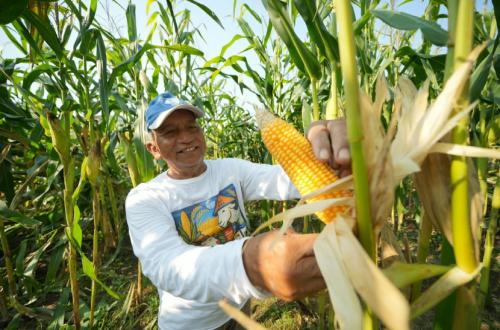
Agricultural and livestock waste in Kepuhrejo Village, Takeran District, Magetan Regency, East Java, is being utilised to produce biogas to support farming activities, SMEs, and household energy requirements. This processing initiative has been developed by Pupuk Kaltim through the Integrated Agroenergy System-Based Area Development programme (PKT BISA).
President Director of Pupuk Kaltim, Rafli Yandra, stated that PKT BISA was developed by connecting the potential of agriculture, livestock, fisheries, compost production, and community businesses into a single ecosystem. “Pupuk Kaltim is developing PKT BISA using a circular economy approach to provide sustainable benefits for the community,” Rafli said in a written statement in Jakarta on Wednesday (30/09/2026).
The programme, which has been running since 2021, utilises livestock and fishery waste as raw materials for energy and compost production. Meanwhile, agricultural and fishery yields are processed into value-added products by community business groups.
One of the latest developments involves integrating the agroenergy system by processing agricultural and livestock waste into biogas. The energy generated is subsequently used for drying agricultural products, supporting productive SME activities, and meeting the energy needs of vulnerable households around the area.
“The principle we are promoting is how existing village potential can be interconnected. Waste from one activity can become input for another, creating a cycle that provides benefits back to the community,” Rafli continued.
The use of biogas also aims to reduce potential pollution and emissions from organic waste that was previously not managed optimally. Through this pattern, waste is not merely treated as an environmental issue but is utilised as an energy source for community economic activities.
In the agricultural sector, PKT BISA is reported to have helped farmers in Babadan increase harvest intensity up to four times a year. Assistance to farmers is also provided through the Agrosolution programme, with a total managed area reaching 19.1 hectares.
“The programme also integrates agricultural, livestock, fishery, and compost groups, as well as SMEs and women’s groups, into a single empowerment ecosystem,” said Rafli.
In the livestock sector, assistance is directed towards improving feed quality and business management. Meanwhile, fishery cultivation results are developed into processed products to increase value-add for business groups.
The PKT BISA programme in Kepuhrejo Village received the CSR & PDB Awards 2026 with a Gold distinction from the Ministry of Villages and Development of Disadvantaged Regions (Kemendes PDT). Pupuk Kaltim further projects that the area will develop into an integrated agro-education centre while expanding the marketing network for community products.
Deputy Minister of Villages and Development of Disadvantaged Regions, Ahmad Riza Patria, stated that the involvement of the business world through social responsibility programmes can complement government-led village development. “We appreciate the companies that have made real contributions to village development. We hope such collaborations continue to be strengthened, because village development requires synergy from all parties. If the villages progress, Indonesia progresses,” said Riza.
Source: jawawa.id (https://jawawa.id/newsitem/pupuk-kaltim-converts-agricultural-and-livestock-waste-into-biogas-1790812395)
Originally published by Republika (https://esgnow.republika.co.id/berita/tm6p3y416/pupuk-kaltim-olah-limbah-pertanian-dan-peternakan-jadi-biogas), translated from Indonesian