
Pupuk Indonesia to Invest Rp118 Trillion in Plant Revitalisation over Five Years
PT Pupuk Indonesia (Persero) is preparing a massive investment of up to Rp118 trillion over the next five years to revitalise production facilities, most of which are already ageing. The investment is aimed at improving efficiency while strengthening the capacity of the national fertiliser industry. The plan is a strategic move by Pupuk Indonesia following a fundamental change in the mechanism for managing the national fertiliser subsidy. Under the new scheme, the company has greater room to invest independently through improved efficiency and business performance.
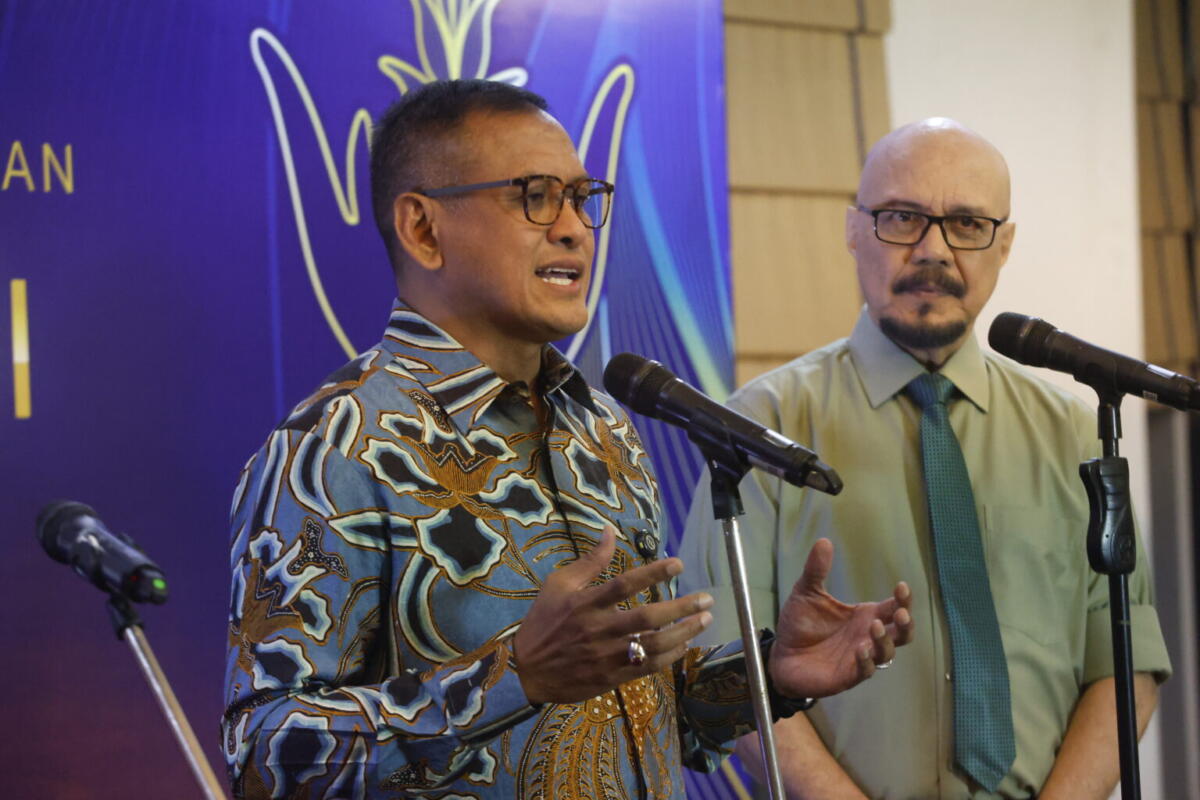
Pupuk Indonesia President Director Rahmad Pribadi revealed the condition of the company’s production facilities during a discussion at the Suar Forum 2026 in Tangerang. According to him, the majority of the company’s nitrogen-based plants have reached old age. Of around 30 plants, 24 facilities, or more than 70 per cent, are over 20 years old. “More than 70% of nitrogen-based plants are already old. Of the approximately 30 plants we own, 24 are over 20 years old,” said Rahmad Pribadi.
Rahmad explained that an age of around 20 years is an important threshold for maintaining the economic performance of a production facility. Beyond that period, maintenance costs tend to rise. Ageing facilities can also create operational constraints, making production efficiency more difficult to sustain. “Twenty years is arguably the best performance years. The economic life of a plant is probably around 20 years,” he said.
Some of Pupuk Indonesia’s production facilities were built in the 1980s using state budget funds through a cost plus fee scheme. However, construction of new facilities slowed after the 1998 Reform era as state finances were separated. Meanwhile, the investment required to build a single new plant can reach around Rp10 trillion.
The situation gained momentum from the change in the fertiliser subsidy mechanism. The scheme, which previously used a cost-based approach, is now directed towards using market prices. This change makes efficiency increasingly important for the company. When production costs can be reduced through investment and technological upgrades, the company has the opportunity to earn greater profits. “We are paid based on market prices. Under this scheme, when we invest and achieve efficiency, the company also gains additional profit,” Rahmad explained.
According to Rahmad, the change in the scheme also opens opportunities for the fertiliser industry to build independent investment capacity. The move is expected not only to improve the company’s business health but also to reduce the burden on the state budget. “How can the fertiliser industry invest independently, generate profits, become more efficient, and at the same time make the state budget more economical?” he said.
Pupuk Indonesia is therefore preparing an investment of around Rp118 trillion over five years. The funds will be used to revitalise production facilities while improving operational efficiency. “With this change, over the next five years we will invest around Rp118 trillion. Because through this investment, plants can be revitalised and become more efficient,” Rahmad stressed.
Through this investment, the company is targeting a significant change in the age structure of its production facilities. Currently around 70 per cent of Pupuk Indonesia’s plants are over 20 years old. Within the next five years, the composition is targeted to be reversed so that around 70 per cent of production facilities are under 20 years old. The revitalisation is expected to make production costs more efficient, improve operational reliability, and strengthen Pupuk Indonesia’s ability to meet national fertiliser needs. “Investment can now be made independently and company profits are also increasing because we are using a more sensible policy,” Rahmad concluded.