
Pupuk Indonesia Eyes $500 Million Batam Ammonia Hub to Rival Singapore
Pupuk Indonesia Eyes $500 Million Batam Ammonia Hub to Rival Singapore
Batam. State-owned fertilizer producer Pupuk Indonesia is exploring plans to develop an ammonia production and bunkering hub in Batam, Riau Islands, with an estimated investment of $500 million for an initial plant, as Indonesia seeks to compete with neighboring Singapore in the emerging market for ammonia-powered shipping.
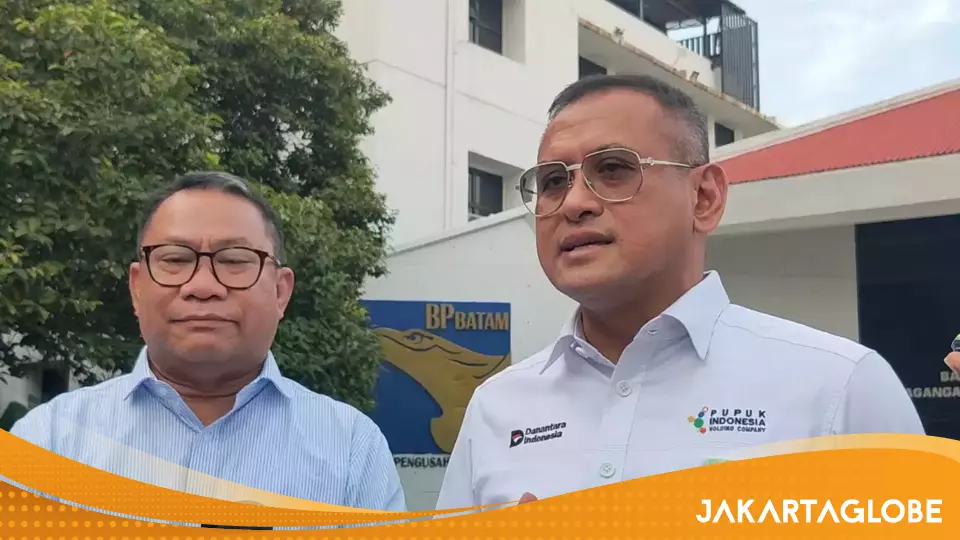
Pupuk Indonesia President Director Rahmad Pribadi said Monday that the company was working with the Batam Indonesia Free Zone Authority (BP Batam) to evaluate potential locations for the project.
He said the proposed development would support Indonesia’s food security and industrial self-sufficiency while generating greater economic value from domestic natural gas resources.
Natural gas is a key feedstock for conventional ammonia production, and Rahmad stressed the importance of using Indonesia’s resources to develop higher-value industries at home.
Pupuk Indonesia currently produces approximately 7 million metric tons of ammonia, providing an industrial foundation for expanding into ammonia-related activities, he said.
“There are several potential locations, and we are examining all of them with BP Batam. We will determine not only the most suitable site but also one that aligns with BP Batam’s long-term development plans,” Rahmad told reporters following a meeting.
Ambition to Compete With Singapore
Beyond fertilizer production, the proposed hub could position Batam as a supplier of ammonia for ships, opening opportunities in the emerging ammonia bunkering market.
Ammonia is being explored as an alternative marine fuel as the global shipping industry seeks to reduce greenhouse gas emissions.
Batam’s proximity to Singapore, one of the world’s busiest maritime bunkering centers, could give the Indonesian island a strategic advantage in serving international shipping routes.
Singapore is also developing ammonia bunkering capabilities, including projects associated with Jurong Island, creating potential competition for investment and future marine fuel demand.
Rahmad said he envisioned Batam eventually developing into an industrial and maritime hub comparable to major European port cities.
“My dream is that one day Batam can become like Rotterdam and Antwerp. Jurong may continue developing, but we will also develop our own facilities, and I believe we have the potential to compete even more effectively because the plant will be built here,” he said.
He argued that locating ammonia production facilities in Batam could strengthen Indonesia’s position in the regional supply chain.
Land and Gas Supply Remain Key Requirements
Rahmad said the project could proceed once the company secured suitable land and a reliable natural gas supply.
“What we need is certainty over the land and then the feedstock, which is natural gas. Once those two requirements are met, we can immediately build the plant,” he said.
He estimated that construction of an ammonia plant would take approximately three years, with an investment of around $500 million.
BP Batam Deputy for Investment Fary Djemy Francis said the authority was prepared to facilitate land allocation and accelerate the necessary permitting procedures.
“The planned investment is approximately Rp 8 trillion to Rp 10 trillion per plant. There are plans to build several plants in line with future requirements,” Fary said.
He added that BP Batam would work to expedite permitting once land had been allocated.
The authority also plans to establish a joint team with Pupuk Indonesia once the project reaches the investment-ready stage.
The team would coordinate technical discussions and identify the next steps needed to advance the proposed ammonia hub.
Tags: Keywords:
Source: jawawa.id (https://jawawa.id/newsitem/pupuk-indonesia-eyes-500-million-batam-ammonia-hub-to-rival-singapore-1793688612)
Originally published by jakartaglobe.id (https://jakartaglobe.id/business/pupuk-indonesia-eyes-500-million-batam-ammonia-hub-to-rival-singapore)