
Pupuk Indonesia Explores Acquisitions of Phosphate and Potash Mines in Four Countries, Including Russia
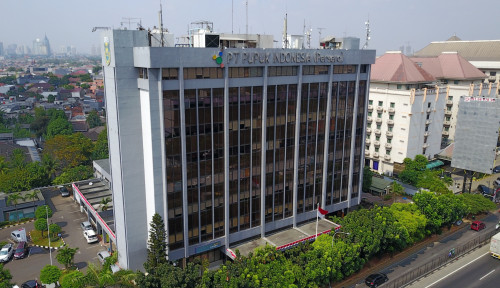
PT Pupuk Indonesia (Persero) is exploring investments and potential acquisitions of phosphate and potash mines in several countries to secure supplies of raw materials for nitrogen, phosphate and potash (NPK) fertilisers. The move is being prepared because the company remains dependent on imports of both minerals, while Indonesia does not have sufficient phosphate and potash resources to meet the fertiliser industry’s needs.
Dade Sanja Wijaya, senior vice-president of corporate strategy at Pupuk Indonesia, said the company was exploring mining investment opportunities in Belarus, Canada, Algeria and Russia. The discussions form part of a vertical integration strategy to secure raw materials and reduce reliance on import markets.
“Pupuk Indonesia is the only fertiliser company in the world that does not own phosphate or potash mines. This is our bottleneck because we are highly dependent on imports,” Dade said at Minerba Convex in Jakarta on Tuesday (3 November 2026).
He explained that phosphate and potash needs have so far been met by a number of supplier countries. Phosphate is sourced, among other places, from Jordan, Morocco, Egypt and Australia. Most potash supplies come from Canada, Belarus and Russia, with additional supplies from Laos.
According to Dade, dependence on imports means the company does not have sufficient control over the availability of raw materials, as most procurement still relies on transactions in the spot market.
Pupuk Indonesia therefore plans to strengthen its control over raw materials by exploring mining investments overseas. The company will prioritise government-to-government (G2G) and business-to-business (B2B) cooperation.
“We will explore options for mines in Belarus, Canada, Algeria and Russia,” he said.
The effort is also linked to plans to expand NPK fertiliser production capacity. Pupuk Indonesia is targeting an increase from the current 4.6 million tonnes to 5.9 million tonnes by 2030. The additional 1.3 million tonnes of capacity could raise demand for phosphate and potash.
Dade said phosphate imports were expected to increase from 1.8 million tonnes to 2.3 million tonnes. Potash requirements are also projected to rise by around 400,000 tonnes as production capacity expands.
“What does this increase mean? Of course, imports of phosphate and potash will also rise,” he said.
In addition to exploring mine ownership, Pupuk Indonesia is strengthening long-term supply contracts with domestic mineral-processing companies. One such arrangement is cooperation with a smelter to obtain around 1.6 million tonnes of sulphuric acid, which is used as a raw material in NPK production.
Dade said securing raw materials was one of the company’s priorities because their availability directly affects the continuity of fertiliser production.
“We naturally want to secure these raw materials because they are crucial to us,” he said.
Source: jawawa.id (https://jawawa.id/newsitem/pupuk-indonesia-explores-acquisitions-of-phosphate-and-potash-mines-in-four-countries-including-russia-1793839834)
Originally published by wartaekonomi.co.id (https://wartaekonomi.co.id/amp/read645709/pupuk-indonesia-jajaki-akuisisi-tambang-fosfat-dan-kalium-di-4-negara-termasuk-rusia), translated from Indonesian