
Puncak Jaya's Eternal Ice at Risk of Disappearing, UGM Expert: 2025, World's Worst Year for Glaciers
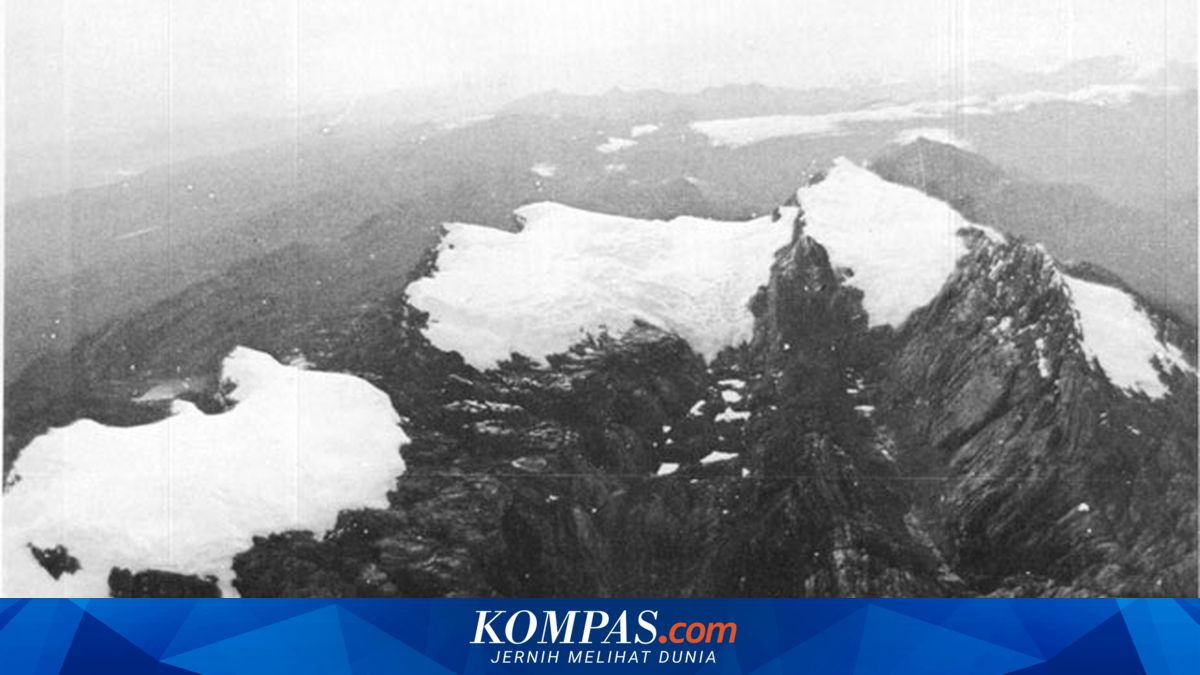
The eternal ice layer that has covered Puncak Jaya in Papua for thousands of years is now on the verge of extinction. The latest data from the BMKG shows a drastic reduction in ice cover in the region, while the April 2026 edition of the global report “Climate Chronicles” confirms that the world has just experienced the sixth worst year in glacier recording history since 1975. This condition aligns with the global glacier crisis. A report from Nature Reviews Earth & Environment reveals that throughout 2025, the Earth has lost around 408 gigatons of ice. The two tropical ice mountains with the most significant degradation are Mount Kilimanjaro in Africa and Puncak Jaya in Indonesia. Dr. Emilya Nurjani, S.Si., M.Si., an expert in Environmental Hydro-meteorology and Climatology from Gadjah Mada University (UGM), explains that this phenomenon is triggered by disruptions in the solar energy release mechanism known as albedo. Ice or glaciers should have the highest albedo value because of their ability to reflect most of the sun’s radiation, thus keeping temperatures cool and the ice intact. However, massive land use changes have altered everything. “Massive land use or coverage on the Earth’s surface reduces the albedo value returned to the atmosphere, leading to an accumulation of radiative energy in the atmosphere, then global warming, and causing glacier melting,” explained Emilya on Friday (17/4/2026). The melting of ice in tropical mountains and polar regions automatically increases global sea levels. For Indonesian society, this impact is not only felt in Papua but also in coastal areas far from the ice mountain. Emilya highlights the worsening abrasion and sea level rise in northern Java’s coasts, such as in Semarang. “Although sea level rise is not solely caused by increased sea water volume, this phenomenon is a real impact felt,” she clarified. “At the household level, we can help by saving electricity, reducing the use of fossil fuels, and if possible, participating in tree-planting efforts to help lower air temperatures in the long term,” she added. The loss of ice at Puncak Jaya is not just the loss of a beautiful landscape but a danger signal for Indonesia’s ecological balance. If the Earth’s temperature rise is not curbed soon, the thousands of years of history of Papua’s ice layer may end in this decade.
Source: jawawa.id (https://jawawa.id/newsitem/puncak-jayas-eternal-ice-at-risk-of-disappearing-ugm-expert-2025-worlds-worst-year-for-glaciers-1776844281)
Originally published by Kompas (https://www.kompas.com/sains/read/2026/04/22/122538523/es-abadi-puncak-jaya-terancam-hilang-pakar-ugm-2025-tahun-terburuk-gletser?utm_source=ABC&utm_medium=rss), translated from Indonesian