
PUMK programme helps micro and small enterprises move up a class
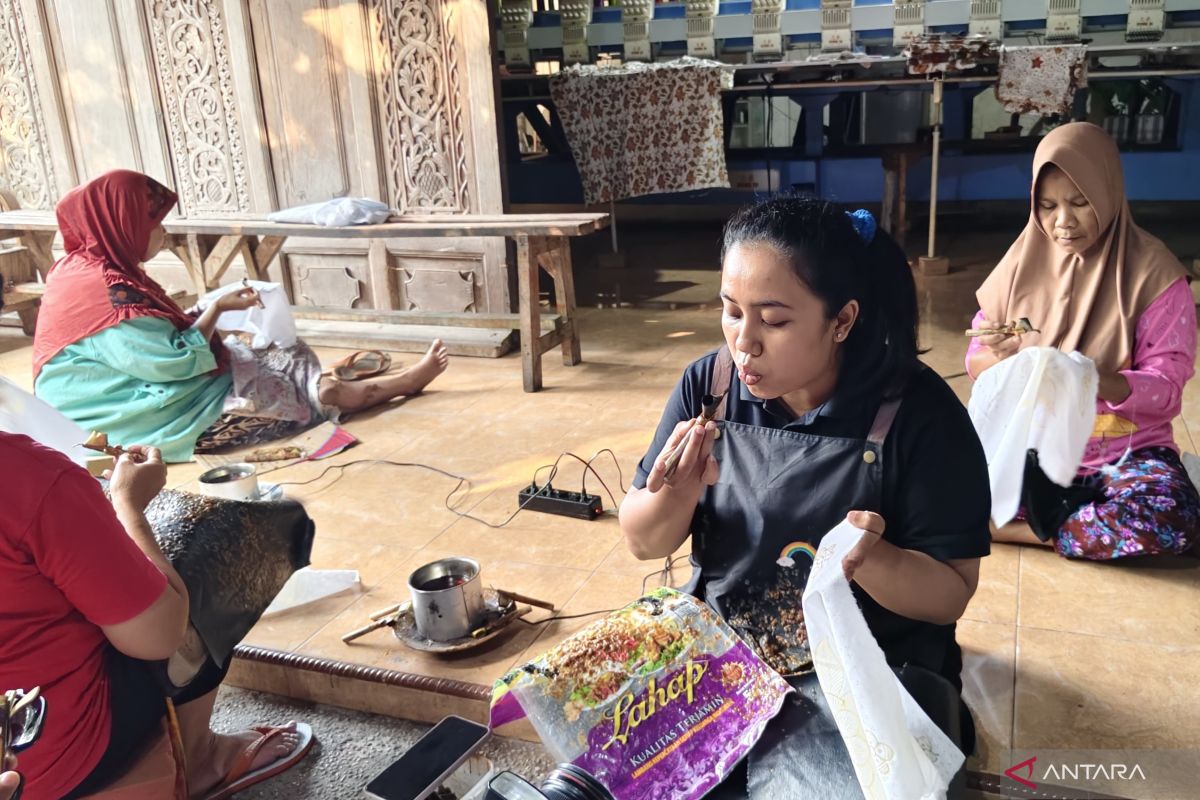
The Micro and Small Enterprise Funding (PUMK) programme run by Pertamina has helped micro and small business operators remain active amid global challenges and even move up a class, both in terms of capacity and market expansion.
“It helped us to keep going. Even after the loan was fully repaid, we continued to receive mentoring and were invited to exhibitions,” said batik tulis entrepreneur Iwan Ahmad Irawan in Batu City, Malang, East Java, on Thursday.
The 60-year-old previously received a total loan of Rp250 million, provided in two instalments of Rp100 million and Rp150 million during the COVID-19 pandemic. The funding, he said, was used for business capital and operations, including paying employees.
Although his business slumped due to the pandemic, after receiving the injection of funds and mentoring from the state-owned oil and gas company, he was able to survive and expand his market reach to a number of countries, including the United States, Japan, Germany, and Russia.
He said he can now breathe easy because the loan under the PUMK programme has been fully repaid. Even so, he remains a mentored partner and is often invited to exhibitions across the country, which has generated orders from suppliers and regular customers at home.
“Before COVID, turnover could reach Rp200 million to Rp300 million per month. Now we can still survive and are grateful that maximum turnover is around Rp150 million per month, because we hope the economic situation will become more stable,” he said.
One of the highlights of his products is quality and the use of natural dyes, in addition to synthetic dyes, using colours from leaves and tree bark such as longan and mahogany.
Meanwhile, Pertamina Patra Niaga’s Social and Environmental Responsibility (TJSL) facilitator for the East Java, Bali and Nusa Tenggara (Jatimbalimus) region, Prina Widya, explained that the PUMK programme ended in 2022 and has since been transferred to Bank BRI in line with the directive at the time from the Ministry of State-Owned Enterprises.
The annual interest rate under PUMK at the time, she said, was relatively affordable at a declining three per cent.
Although the programme has changed, she said, the company continues to provide mentoring to MSMEs because they have promising prospects for boosting the regional economy and absorbing the labour market.
“Our partners who have fully repaid their loans have good products. We help them through the UMKM Academy that we run so they can continue to the global market,” she said.
She explained that in the Jatimbalimus region, the company has 362 mentored partners who are leading MSMEs. Of that number, around 40 leading MSMEs come from Bali and are mentored partners.
In the academy, they are trained in various areas, from packaging to marketing, both online and offline.
“Not all of these mentored partners are mentored only because of capital. There are new partners who join our UMKM Academy entirely without capital,” she added.