
PUI Backs Presidential Regulation on National Defence Policy, Highlights LGBTQ Issue
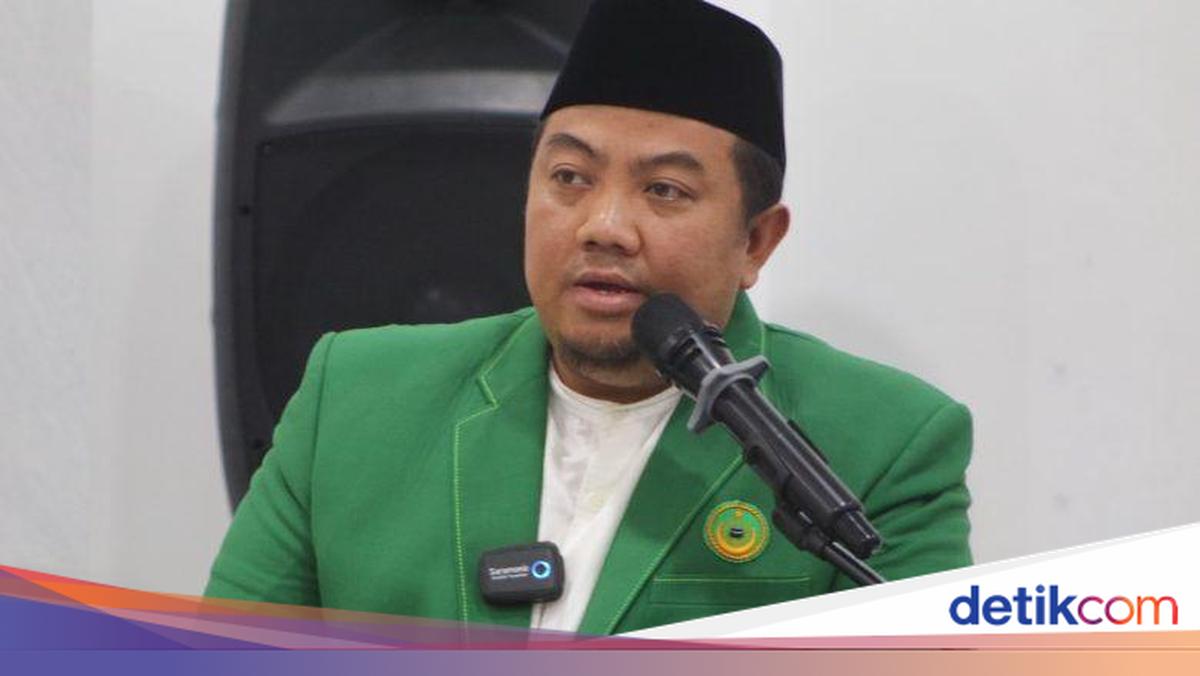
The Central Executive Board of the Indonesian Islamic Union (DPP PUI) has expressed support for Presidential Regulation No. 111 of 2025 concerning the General Policy on National Defence for 2025-2029. PUI considers the inclusion of the spread of LGBTQ culture as a form of non-military threat to be a strategic government move.
“The government’s decision to include the spread of LGBTQ culture in the map of non-military threats shows that national defence is understood more holistically. National resilience is determined not only by military strength, but also by the robustness of society’s morals, family, education, and the values that form the nation’s identity,” said DPP PUI Chairman Raizal Arifin in a statement received on Monday (6/7/2026).
According to PUI, this regulation must be understood as part of the state’s effort to maintain social and cultural resilience based on the values of Pancasila, the 1945 Constitution of the Republic of Indonesia, and religious values that are the foundation of national life.
In line with the mandate of the PUI Congress, the organisation views strengthening family resilience, character education, youth development, and the cultivation of noble morals as inseparable parts of national development. Therefore, PUI supports any state policy aimed at strengthening the institution of the family and safeguarding the nation’s moral values.
PUI emphasised that the response to the spread of LGBTQ culture must be carried out through strengthening education, religious outreach, family guidance, digital literacy, and collaboration between the government, educational institutions, community organisations, and religious leaders. This approach is considered more effective in building national resilience than confrontational methods.
“PUI rejects all forms of hatred or actions that degrade human dignity and worth. What needs to be strengthened is education, guidance, and the reinforcement of family values and public morality so that the Indonesian nation has strong resilience against various influences deemed contrary to religious values, national culture, and national ideals,” Raizal asserted.
PUI hopes the implementation of Presidential Regulation No. 111 of 2025 can become a momentum to strengthen synergy among all elements of the nation in building comprehensive national defence.
Separately, the Indonesian Ulema Council (MUI) is currently drafting an academic paper and a Bill on the Criminalisation of Lesbian, Gay, Bisexual, and Transgender (LGBT) acts. MUI Deputy Chairman KH M Cholil Nafis stated that this legal step is being taken because moral appeals are deemed no longer effective in curbing the phenomenon of sexual deviance in Indonesia. MUI, he said, has declared war on LGBT behaviour and campaigning.
“For the sake of our love for true humanity, we invite them to return to their natural disposition. We are preparing the academic paper and the criminal bill, it is just a matter of the DPR discussing and enacting it,” said Kiai Cholil, as reported by detikHikmah on Sunday (28/6).
Kiai Cholil highlighted the shifting behaviour of LGBT groups, which is now considered increasingly brazen. Whereas they previously tended to hide out of shame, they now appear proud and dare to hold same-sex parties openly in public spaces. Ironically, he said, members of the public who reprimand such actions are often labelled intolerant.
“This is already misguided,” said the Head of the Cendekia Amanah Islamic Boarding School in Depok. Therefore, MUI believes that appeals are insufficient. Binding legislation that can be strictly enforced is now necessary.
Deputy Speaker of the House of Representatives (DPR) Saan Mustopa said the DPR would be open to accommodating such aspirations. “Yes, as a form of public aspiration, in this case from MUI, we will certainly see what the results of the draft proposed by MUI look like,” Saan told reporters on Tuesday (30/6).