
Public Works Ministry Strengthens Community-Based Infrastructure Development
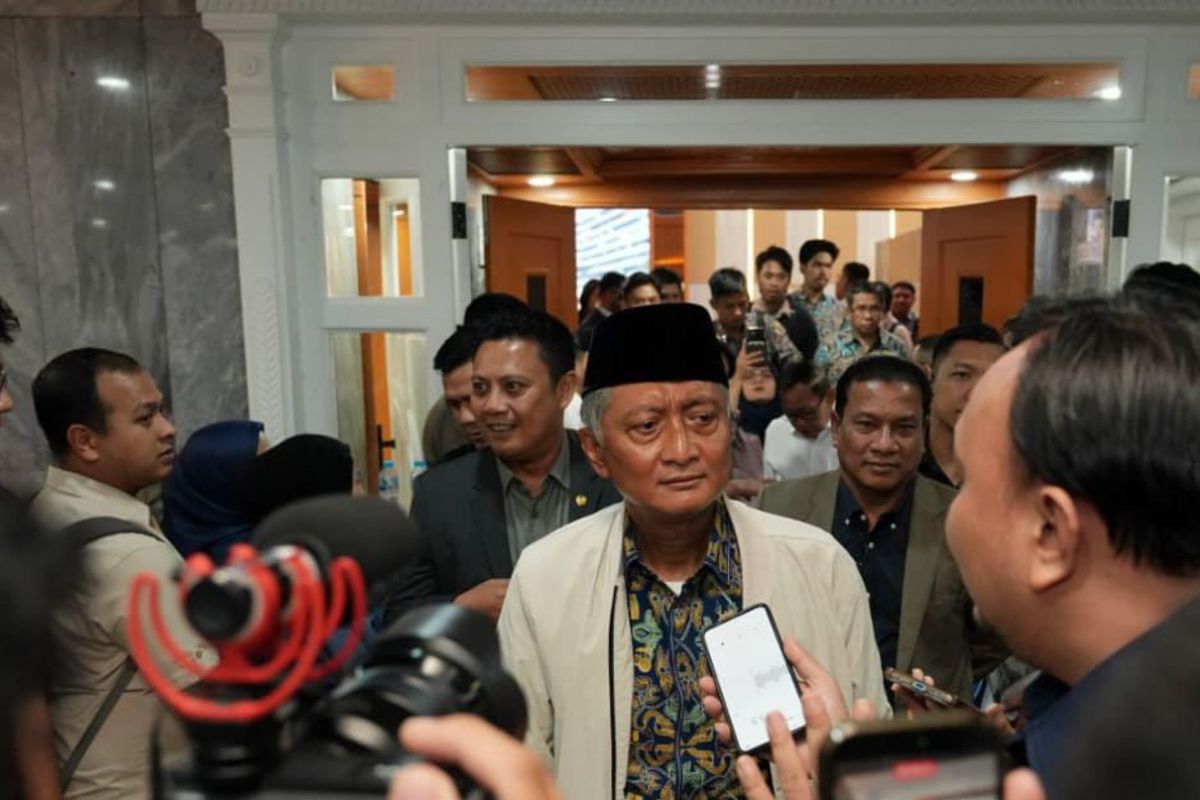
Minister of Public Works Dody Hanggodo has stated that his ministry is strengthening Community-Based Infrastructure (IBM) development to support programmes that directly address the needs of the public. “We are paying special attention to Community-Based Infrastructure. In our view, IBM is very important because its impact is closest to and directly utilised by the community, both from a physical and an economic perspective,” Dody said in a statement in Jakarta on Thursday. The Ministry of Public Works has allocated a budget of Rp1.65 trillion through IBM development, which will reach 4,127 locations across various regions in 2027. The IBM programme includes 2,000 locations for the Acceleration Programme for Improving Irrigation Water Management (P3TGAI) in the Water Resources sector, valued at Rp450 billion. Meanwhile, 2,127 locations fall under the Cipta Karya activity unit with a budget ceiling of Rp1.2 trillion. The Ministry of Public Works views the IBM programme as a strategic investment that delivers real benefits to the community. The various programmes not only improve the quality of basic infrastructure but also stimulate local economic growth. The P3TGAI programme, for example, plays a role in increasing agricultural productivity through the improvement of irrigation networks. Meanwhile, the Community-Based Drinking Water and Sanitation Provision Programme (PAMSIMAS) helps provide access to drinking water in villages. Community-Based Sanitation (SANIMAS) and Reduce-Reuse-Recycle Waste Processing Sites (TPS3R) support improved environmental health through sanitation services and waste management. Additionally, the Regional Socio-Economic Infrastructure Development Programme (PISEW) and Economic Zone Development (PKE) are expected to strengthen regional economic activity. The construction of suspension bridges is also considered important for opening access for communities in remote areas, including students, farmers, and residents who have long faced connectivity limitations. “With the support of Commission V of the House of Representatives, the Ministry of Public Works is committed to ensuring that every rupiah of the state budget is managed effectively, efficiently, and accountably. To produce development outputs and outcomes that meet improved quality standards, are orderly in accountability, and provide real benefits for water security, regional connectivity, basic services, and the provision of public infrastructure needed by all Indonesian people,” Dody said. This step also demonstrates the government’s effort to ensure that development does not only focus on large-scale projects but also reaches the basic needs of communities down to the village and remote area level.