
Public Works Ministry Deploys Pumps and Repairs Infrastructure After Padang Floods
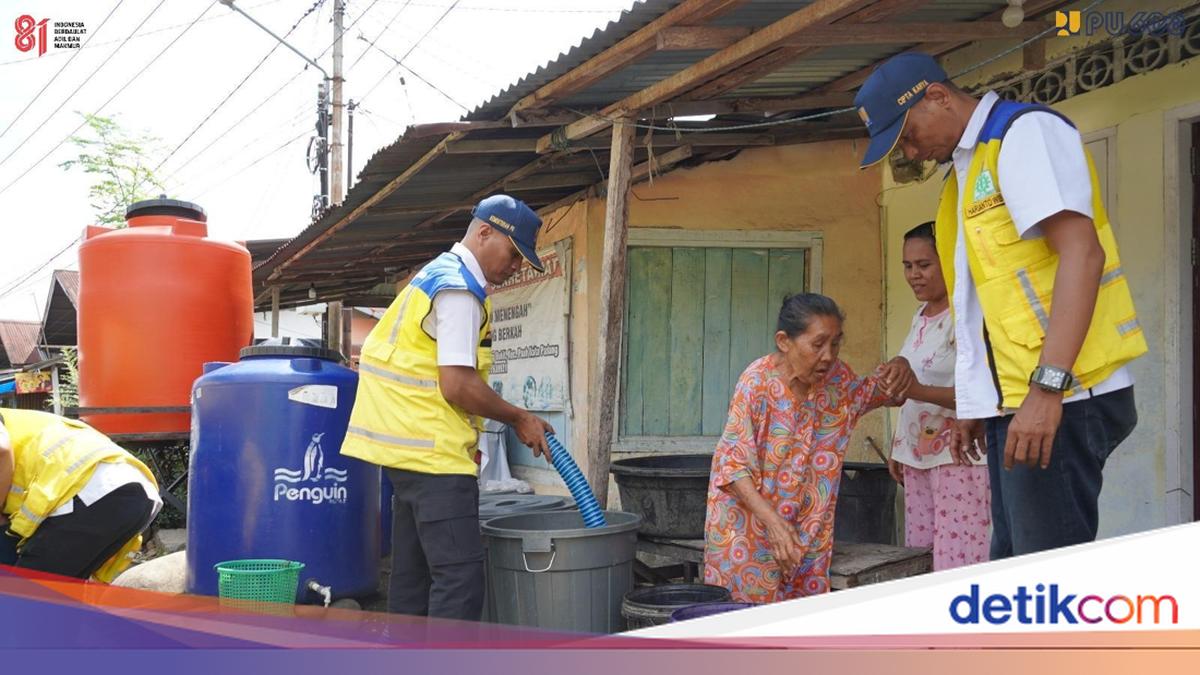
The Ministry of Public Works (PU) has moved quickly to handle the impact of flooding that struck Padang, West Sumatra, on Monday (3/8). The response is focused on restoring public access, repairing damaged infrastructure, and distributing clean water aid to affected residents.
Minister of Public Works Dody Hanggodo stated that the ministry’s infrastructure and resource preparedness is a crucial part of supporting disaster management across various regions. “The Ministry of Public Works is deploying personnel and equipment to minimise the disaster’s impact on the community. The main priority is restoring public access, repairing breached embankments, and ensuring river flow returns to normal so the risk of subsequent flooding can be reduced,” Dody said in a written statement on Wednesday (5/8/2026).
He explained that the flooding was triggered by high-intensity rain that fell from morning until evening, causing an increase in the water levels of several rivers in Padang. This condition caused the rivers to overflow and submerge various areas with water levels reaching approximately 1.5 metres. Affected areas include the Wahana 2 Rimbo Tarok housing complex, Graha Cahaya Madani housing complex, and Grand Mandiri housing complex. In addition, flooding also occurred at Pasar Lalang, the Baiturrahmah University campus, and the Siti Rahmah Islamic Hospital. Several main road accesses, such as Jalan Bypass KM 15 and Jalan Arai Pinang, were also submerged, hampering residents’ mobility.
“Infrastructure damage also occurred on the embankment in the Lapau Munggu area, Lubuk Tampuruang, which was reported to have collapsed. In the clean water services sector, the operations of the Padang City Regional Drinking Water Company (PDAM) were disrupted due to intake damage at three locations, namely the Guo Intake, Latung Intake, and Paraku Intake,” he clarified. All affected intakes experienced a decline in water quality due to flash floods, which had the potential to damage the Water Treatment Plants (IPA) and the Main Distribution Network (JDU). To prevent further damage, intake operations were temporarily halted.
In the emergency response effort, the Sumatera V Padang River Basin Agency (BWS) deployed a Rapid Reaction Team that coordinated with the Indonesian National Armed Forces, the Indonesian National Police, local government, and the Regional Disaster Management Agency (BPBD) to monitor conditions on the ground. Additionally, two mobile flood pumps, each with a capacity of 250 litres per second, were deployed to accelerate water drainage. BWS Sumatera V Padang also conducted an inventory of raw water intake infrastructure and carried out repairs at affected locations by deploying two units of heavy equipment, one at Batang Kuranji and one at Batang Air Dingin.
Meanwhile, the West Sumatra Building, Infrastructure, and Area Planning Agency (BPBPK) distributed clean water using three tanker trucks, each with a capacity of 4,000 litres, to meet the needs of affected residents. The National Road Implementation Agency (BPJN) is working to restore access by accelerating the rehabilitation of the Jeruai Bridge after the foundation of the Bailey bridge was damaged and could no longer function. However, the rehabilitation progress of the main bridge has entered its final stage, and a traffic opening trial has been conducted. “The structural work itself has been completed using additive technology in the concrete to accelerate the achievement of compressive strength according to technical specifications,” he stated. He said this measure is an effort to maintain basic public infrastructure while ensuring public safety, especially in several disaster-prone areas. “This is in line with the PU608 vision through the development of resilient water control infrastructure that is well-targeted and has a direct impact on public safety and economic productivity,” he concluded.