
Public Transportation Still Needs Cash Payment System
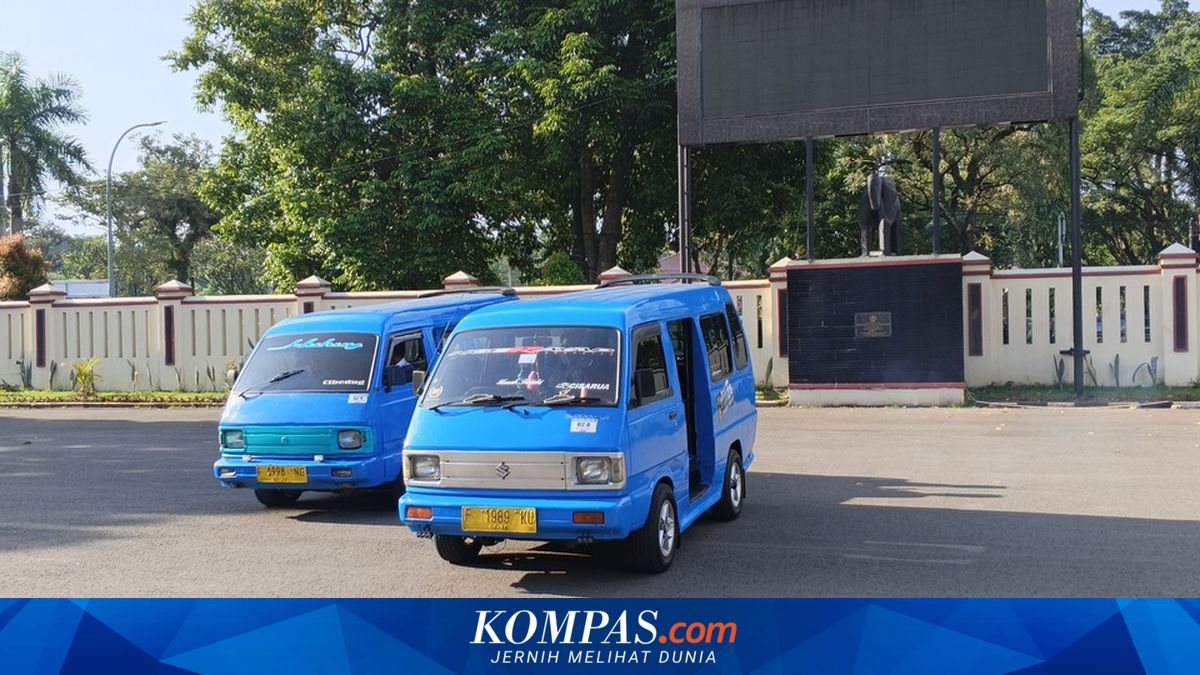
JAKARTA - The implementation of non-cash (cashless) payment systems in public transportation is starting to be enforced in Indonesia. This digital payment system is claimed to create a safer, more practical, and efficient travel ecosystem. Southeast Asia Director of ITDP, Gonggomtua Sitanggang, stated that the arrival of digital technology transformation brings positive effects through the provision of better services that are integrated, responsive, and data-based. “However, cash payment options are still needed to accommodate vulnerable groups who tend to have minimal digital knowledge,” he said, quoted from an official statement on Monday (11/5/2026). Therefore, according to him, accepting cash payments is important, as implemented in London and Taipei. For example, although non-cash payment systems have been applied by several modes of public transportation in Jakarta, not all are integrated with each other. Angkot only accepts cash payments, while Transjakarta, MRT, LRT Jakarta, LRT Jabodebek, and KRL do not accept cash at all. Transjakarta and TransJabodebek do not accept single trip cards, even though MRT, LRT Jakarta, and KRL do. This fragmented payment system not only confuses passengers but also limits users’ access to certain modes of transportation. According to Gonggom, this breakdown in system integration cannot be separated from the differences in public transportation priorities in each region. “It is hoped that in the near future, the development of a more comprehensive payment system, including one-stop payments with a single card, the use of debit and credit cards, as well as NFC payments, plus cash payments, will help people from various layers of society to more easily access public transportation,” he said.