
Public Transportation Key to Addressing the Burden of Fuel Price Increases
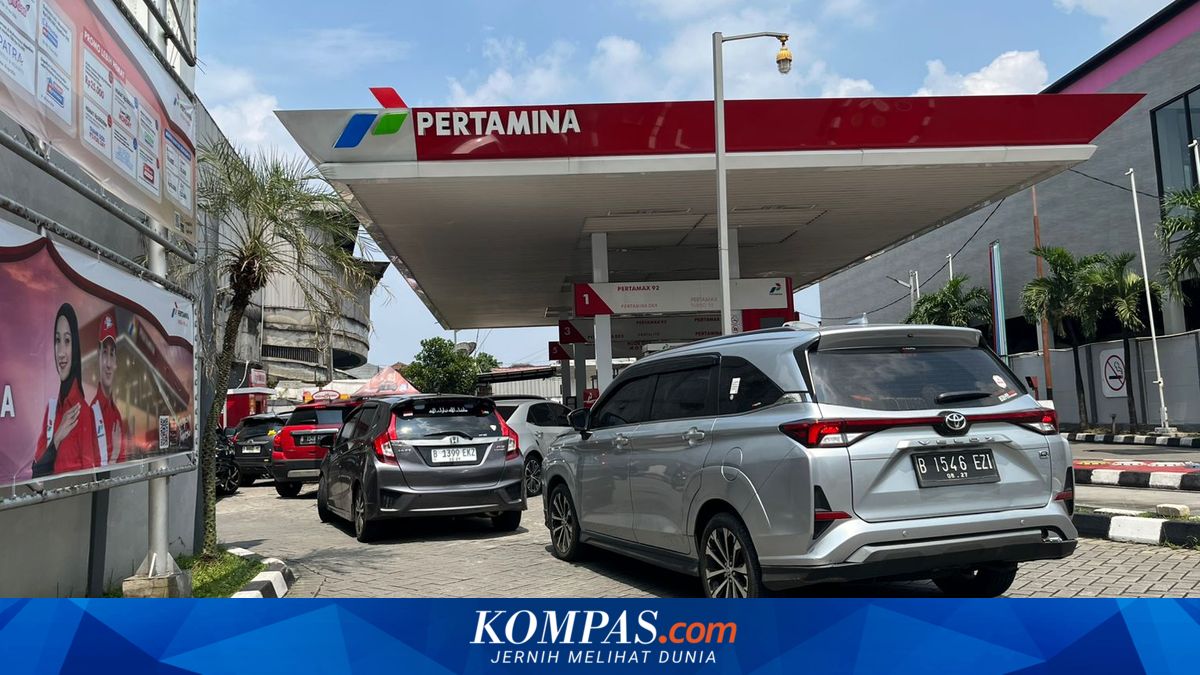
JAKARTA – Fluctuations in fuel prices remain a sensitive issue that directly affects people’s purchasing power and the logistics sector in Indonesia. The government’s policy of generally following global market trends is seen as not the only way out to maintain national economic stability. However, such input has not been adopted as an option. Darmaningtyas proposes a scheme where domestic fuel prices are set at a stable level, without being tossed around by global crude oil price volatility. “So, when world fuel prices rise, our fuel prices do not need to follow suit. Conversely, when they fall, we do not need to follow the decline,” said Darmaningtyas, when contacted by Kompas.com recently. The price difference could serve as a strategic reserve fund or “savings” for energy. “When prices fall, the government gains significant profits from the difference between domestic selling prices and world prices; that money can be saved for reserves when fuel prices rise,” said Darmaningtyas. Furthermore, Darmaningtyas assesses that if those savings are sufficient, the surplus can be allocated to improving the downstream transportation sector for greater sustainability. “If fuel prices are stable or even continue to fall, the profits can be used to build public transportation infrastructure,” he stated. However, he acknowledges that policies to lower fuel prices are often viewed as political commodities to maintain leadership image, rather than considering long-term stability. “So, the government prefers to follow fluctuating global market price increases. Because our leaders’ habit is to say that during my leadership, fuel prices can fall,” said Darmaningtyas. In fact, the main key to making society less vulnerable to energy price turbulence is by providing efficient mobility alternatives through widespread public transportation. “If, for example, my input from 10 years ago had been accommodated, and public transport had been built in all regions, then we actually wouldn’t need to panic about fuel crises. Because people’s mobility could be met with public transport,” said Darmaningtyas. To this day, people’s dependence on private vehicles remains very high. Without a reliable public transportation system in various regions, fuel price increases will always be a heavy burden for the wider community.
Source: jawawa.id (https://jawawa.id/newsitem/public-transportation-key-to-addressing-the-burden-of-fuel-price-increases-1778197975)
Originally published by Kompas (https://otomotif.kompas.com/read/2026/05/05/184100215/transportasi-umum-kunci-atasi-beban-kenaikan-harga-bbm?utm_source=ABC&utm_medium=rss), translated from Indonesian