
Public Should Not Be Burdened by Public Transport Fare Increases
JAKARTA, KOMPAS.com – Plans for a fuel price increase (BBM) are once again sparking public concern, particularly regarding the potential rise in public transport fares.
However, for transportation expert Djoko Setijowarno, this issue should instead serve as a turning point to overhaul Indonesia’s mass transportation system.
An academic from the Civil Engineering programme at Unika Soegijapranata and advisor to the Indonesian Transportation Society (MTI), he believes that raising public transport fares is not a solution that favours the public.
“If (public transport fares) rise, people will riot. It should be made free if necessary,” said Djoko to Kompas.com on Tuesday (31/3/2026).
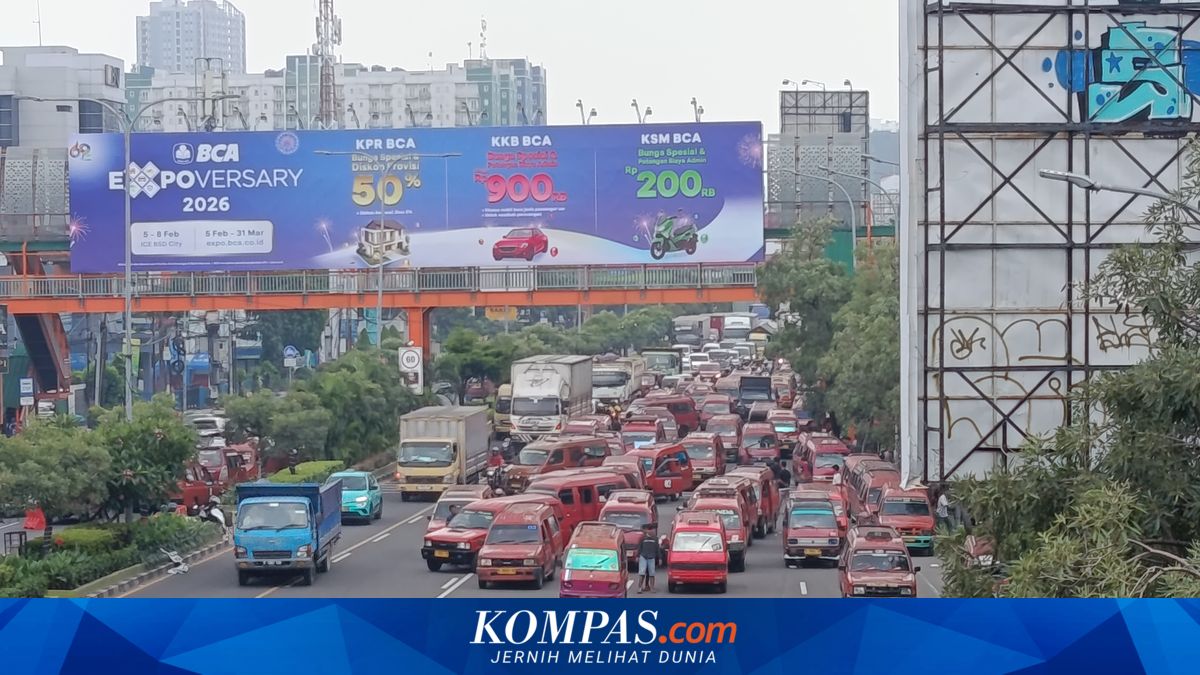
According to him, transportation problems in Indonesia are far more complex than mere fare adjustments. In many cities, the presence of conventional public transport such as angkots is increasingly eroded, even disappearing.
“Many cities don’t have public transport. One reason is also ojol. Why is ojol being treated as transport,” he stated.
In this context, Djoko views the fuel price increase as an opportunity for the government to improve comprehensively, rather than simply burdening the public with additional costs through fare hikes.
He considers such a step a misguided policy that could lead to serious on-the-ground impacts.
Djoko warns that cutting safety budgets is not just administrative efficiency, but a real threat to public safety. He even calls it a “ticking time bomb” that could end fatally on the roads.
“Often, behind rows of budget figures trimmed for efficiency, human lives are at stake,” he said.
Therefore, Djoko emphasises that transportation safety budgets must be placed as the top priority. Cutting them is equivalent to gambling with the public’s lives every day.
In his view, the fuel price increase plans should not stop at mere energy price adjustments.
Rather, it should become the starting point for a major reform of the mass transportation system, to make it safer, more affordable, and truly serving public needs.