
Public Must Be Key Players in Energy Transition
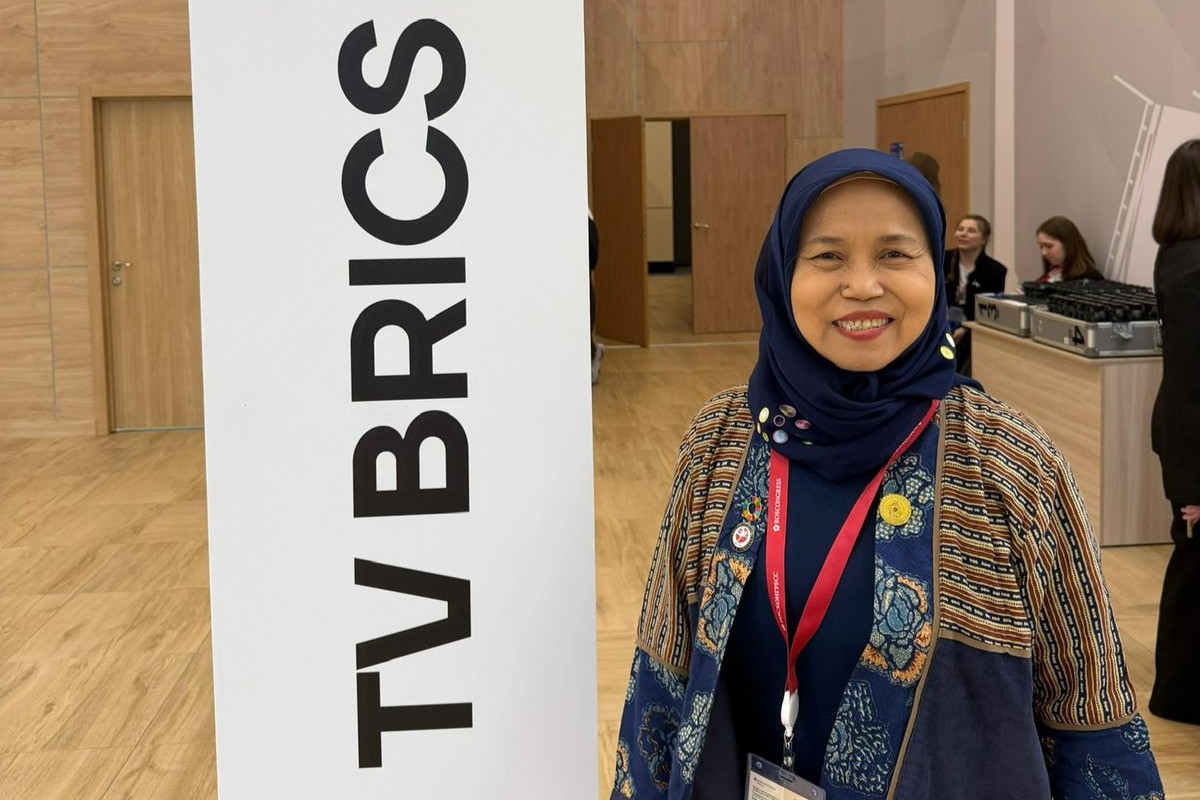
Tri Mumpuni, a pioneer in providing electricity to underdeveloped and remote areas, has asserted that the energy transition from fossil fuels to New and Renewable Energy (NRE) must continue, especially amidst global energy supply uncertainties caused by conflicts in the Middle East. According to Tri, the development of renewable energy aims not only to reduce dependence on fossil fuels but also to accelerate electricity access for communities living in frontier, outermost, and disadvantaged (3T) regions.
“Renewable energy is a necessity; the energy transition must proceed,” said Tri, who has pioneered electrification in over 60 remote locations in Indonesia, on Saturday. As a member of the Advisory Board of the National Research and Innovation Agency (BRIN), she emphasised that the energy transition process must prioritise the principle of justice by involving the community as primary actors. She believes that local communities should have space and receive direct benefits from renewable energy development in their respective regions.
“The scheme for the energy transition to NRE must involve the community. NRE must be developed by prioritising justice; the community must have a share in this renewable energy issue,” she stated.
Tri shared her extensive experience in building micro-hydro power plants (PLTMH) in various remote areas. According to her, involving the community from the construction phase has allowed these energy facilities to remain operational and sustainable to this day.
“The equipment we built together with the community since the 1990s is still running today because it is guarded and maintained by the community,” she said.
She also supports the development of the ‘Patriot Energi’ programme, which involves the younger generation in assisting communities in 3T regions to identify and develop renewable energy potential. According to Tri, this programme can serve as a means to expand energy democratisation while driving economic growth based on local resources.
Furthermore, she reminded that Indonesia is committed to achieving its Net Zero Emission (NZE) target by 2060. To achieve this, Indonesia needs to optimise all available renewable energy sources, ranging from hydropower, solar, geothermal, wind, and biomass, to biofuels.
“Indonesia must prepare energy sources through NRE, including water, wind, geothermal, solar, and even nuclear energy. All of this must be accompanied by a commitment to involve the community,” said Tri.
In addition to promoting NRE utilisation, Tri mentioned that BRIN is currently developing ‘Petasol’, an alternative fuel produced from processing plastic waste using pyrolysis technology. According to her, this fuel is already being used by numerous fishermen and farmers as an energy source to support their economic activities.
“Fishermen purchase this fuel from waste banks, while farmers’ tractors also utilise liquid fuel resulting from plastic pyrolysis to plough fields,” she noted.
Tri emphasised that energy access is a crucial factor in driving economic development in rural areas. Therefore, communities must be given the opportunity to meet their energy needs independently through the utilisation of renewable energy potential available in their surrounding environment.
“Energy and electricity are the backbone of economic development. Energy democratisation must be implemented so that the community has the space to meet their energy needs independently,” concluded Tri.