
Pubei Lychees Reach Wider Markets Thanks to Modern Supply Chains
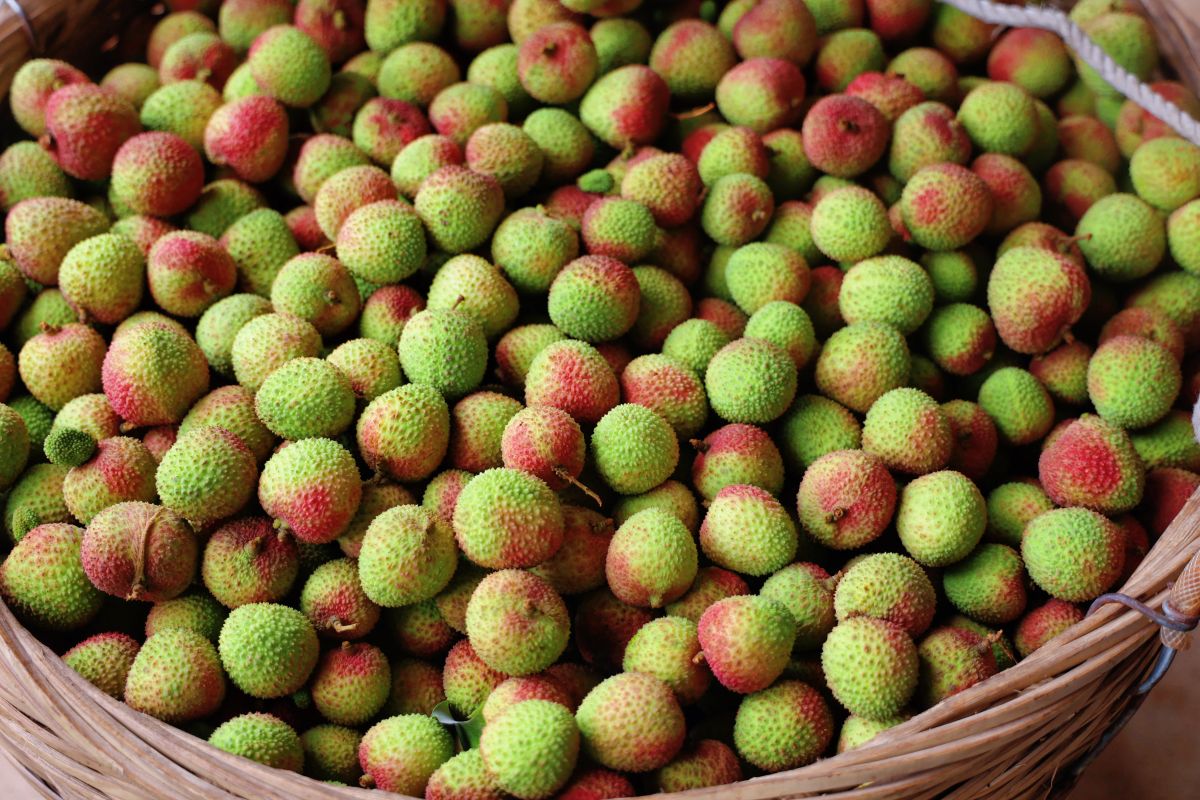
From orchards in Guangxi Zhuang Autonomous Region, southern China, to refrigerated trucks heading to Indonesia, a small seasonal fruit is now moving faster than ever to reach distant consumers. This is supported by improvements in cold chain logistics, e-commerce, and more efficient customs procedures. Under morning light, workers in Beitong orchards, Pubei district of Qinzhou city, are busy harvesting the first batch of this year’s ripe ‘Feizixiao’ lychees. Feizixiao, literally meaning ‘empress’s smile’, refers to a lychee variety beloved by a concubine in ancient China’s Tang Dynasty, prompting the emperor to order direct shipments from southern China to the northern capital despite the long distance. Freshly picked fruits are quickly transported to nearby sorting centres for selection, cooled with ice water, then packed with wet ice sheets and ice blocks to maintain freshness before loading onto trucks. In refrigerated spaces, large ice blocks continuously release cold air to preserve lychee freshness during transit. Pubei, with over 31,000 mu (approximately 2,066 hectares) of lychee orchards, is now in its peak harvest season. Located south of the Tropic of Cancer, this small Guangxi region enjoys warm temperatures, abundant sunshine, and selenium-rich soil, making it ideal for lychee cultivation. Locally produced ‘Feizixiao’ lychees are recognised as a Chinese Geographical Indication product. However, for years, the fruit’s perishable nature and short shelf life posed challenges for farmers, often leading to ‘bumper harvests but low profits’. Now, with gradual improvements in cold chain logistics, e-commerce channels, and export networks, Pubei lychees are reaching distant markets faster than ever. Recently, at Shuangliang Distribution Centre in Liangtian Village, Baishishui, several refrigerated trucks lined up. Temperatures inside compartments are maintained at around 3 degrees Celsius, with freshly harvested lychee boxes neatly stacked, some still glistening with morning dew. Once engines start, the trucks depart, carrying lychees to destinations across China, while exports increasingly head to Indonesia and other overseas markets. According to exporter Jiang Xuechang, Pubei’s ‘Feizixiao’ lychees are popular overseas for their thin skin, thick flesh, sweet taste, and honey-like aroma. He estimates exporting around 2,000 tonnes this year, mostly to Southeast Asian markets. ‘Our products are primarily sent to Indonesia and Singapore. Singaporean consumers are willing to pay higher prices, while Indonesia offers a larger market due to its population,’ Jiang said. ‘The lychee industry has created more opportunities for local farmers and businesses,’ said Pubei deputy head Huang Yan. In recent years, the region has expanded lychee orchards, improved fruit quality, and strengthened local branding, while extending the industrial chain into processing, sales, and rural tourism. Local authorities have also promoted planting standards and quality control to ensure stable product quality. Meanwhile, e-commerce via live streaming and direct-from-origin shipping has surged, allowing freshly picked lychees to reach consumers domestically and internationally almost immediately. Once picked from the tree, a true ‘race against time’ begins. ‘This year, we established temporary collection points in Pubei’s main production areas and introduced mobile cooling equipment and cold storage facilities, enabling lychees to enter the cold chain immediately after harvest,’ said Zhang Shisheng, JD Logistics’ Guangxi sales head. He added that distribution centres across Guangxi have been upgraded for the lychee season, with multimodal transport via air, high-speed rail, and key cold chain routes now enabling deliveries to major cities within 24 hours. ‘The platform has launched a dedicated Guangxi lychee channel using search recommendations, consumer coupons, and live streaming to expand sales channels. Consumers can not only buy lychees but also follow live streams to trace the fruit’s journey from orchard to delivery,’ Zhang said. Supply chain improvements have also attracted more local companies to enter the industry. ‘With the growth of online sales, issues such as cold chain costs, sorting standards, and quality control have become more prominent,’ said Ning Zheng, general manager of Pubei Jiachangwang Supply Chain Co., Ltd. Zheng said this year they are focusing on upgrading warehousing, logistics, and preservation systems while expanding e-commerce via live streaming, wholesale markets across China, and overseas sales channels. ‘We hope the journey from branch to dining table becomes more efficient and helps boost farmers’ income,’ he added. In the export process, streamlined customs procedures are also facilitating lychee shipments overseas. According to Qinzhou Customs Deputy Head Wei Yangyu, measures such as appointment-based declarations, priority inspections, and ‘cloud-based certificate issuance’ have been implemented in recent years to shorten inspection times and boost export efficiency. General manager of Pubei Bangliang Family Farm Co., Ltd., one of the local exporters, Liang Bangcai, stated as an expo