
Puan Urges Government to Strengthen Water Crisis Management in Regions
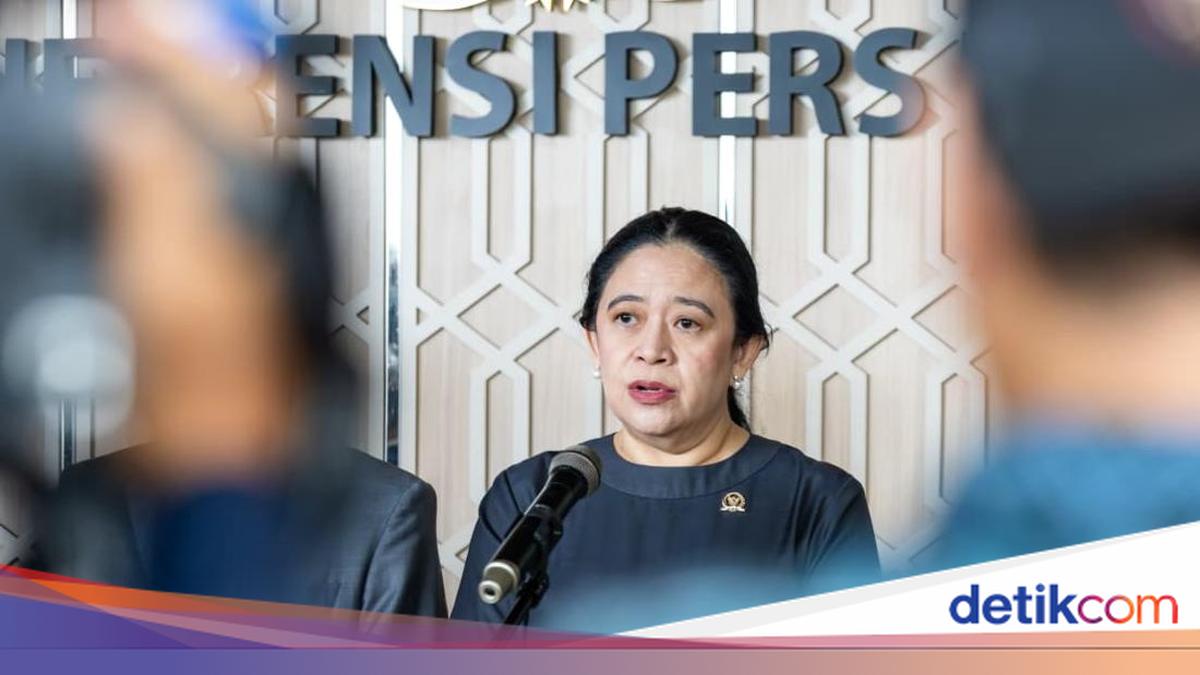
The Speaker of the House of Representatives (DPR RI), Puan Maharani, has highlighted the widespread clean water crisis across various regions in the country due to a prolonged dry season. She has urged the government to strengthen water crisis management, including increasing infrastructure in high-risk areas.
“Indonesia’s water security is being tested, with many regions experiencing water crises and droughts due to the long dry season. The government needs to implement mitigation interventions to assist affected communities,” said Puan on Wednesday (30/09/2026).
Clean water shortages are spreading across various regions. One such area is Tuanggeo Village, Palue District, Sikka Regency, East Nusa Tenggara (NTT), where the crisis has persisted for three weeks, forcing residents to seek alternative water sources. In Sikka, some residents have resorted to using water extracted from banana stems for bathing, washing, and cooking, despite the water having an unpleasant, astringent, and slightly bitter taste.
Beyond Sikka, water crises are also occurring in several parts of West Java, East Java, and Central Java. In Trenganclek, the clean water crisis affects 51 villages across 12 districts, impacting 27,786 people. In Boyolali, more than 36,000 people are affected by drought, forcing residents to queue for water deliveries as wells run dry. Furthermore, it is reported that 1,196,815 residents in West Java are experiencing water shortages due to the current dry season.
Regarding this issue, Puan emphasised the importance of strengthening community water resilience. “BMKG (Meteorology, Climatology, and Geophysical Agency) has provided early warning information on meteorological droughts, which should serve as a basis for the government to anticipate vulnerable areas,” she stated.
Puan noted that such data must be translated into action at the regional level. “When a region begins to show a decline in water availability, the Government must immediately prepare water distribution, inspect alternative water sources, and ensure storage facilities are available,” Puan said.
She added that the water crisis, which forces residents in places like Sikka to find their own alternatives, must serve as a focal point for drought management based on risk levels and community needs. “Island regions and areas with limited water sources require a different approach compared to regions where raw water networks are more easily accessible,” she remarked.
“Communities should not remain stuck in a cycle of waiting for rain, facing shortages, struggling to find alternative clean water, receiving tank deliveries, and then facing the same problem the following dry season,” she continued.
According to Puan, the government can intervene in two simultaneous stages. First, by meeting the immediate water needs of residents for short-term mitigation, and second, by building systems that enable affected residents to be better prepared for future droughts.
Puan stressed the importance of developing sustainable water security infrastructure, especially as BMKG has predicted Indonesia’s climate is moving towards a longer dry period. BMKG noted that July 2026 was the month with the lowest rainfall in Indonesia since 1991.
“The success of drought management is not measured merely by whether water is delivered after a crisis occurs, but when the community has sufficient, safe, and sustainable access to water before reaching an emergency state. Infrastructure must be continuously improved,” Puan concluded.