
PTUN Bandung Ruling on UMSK 2026 Dispute Expected to Become a Turning Point for Wage System Reform
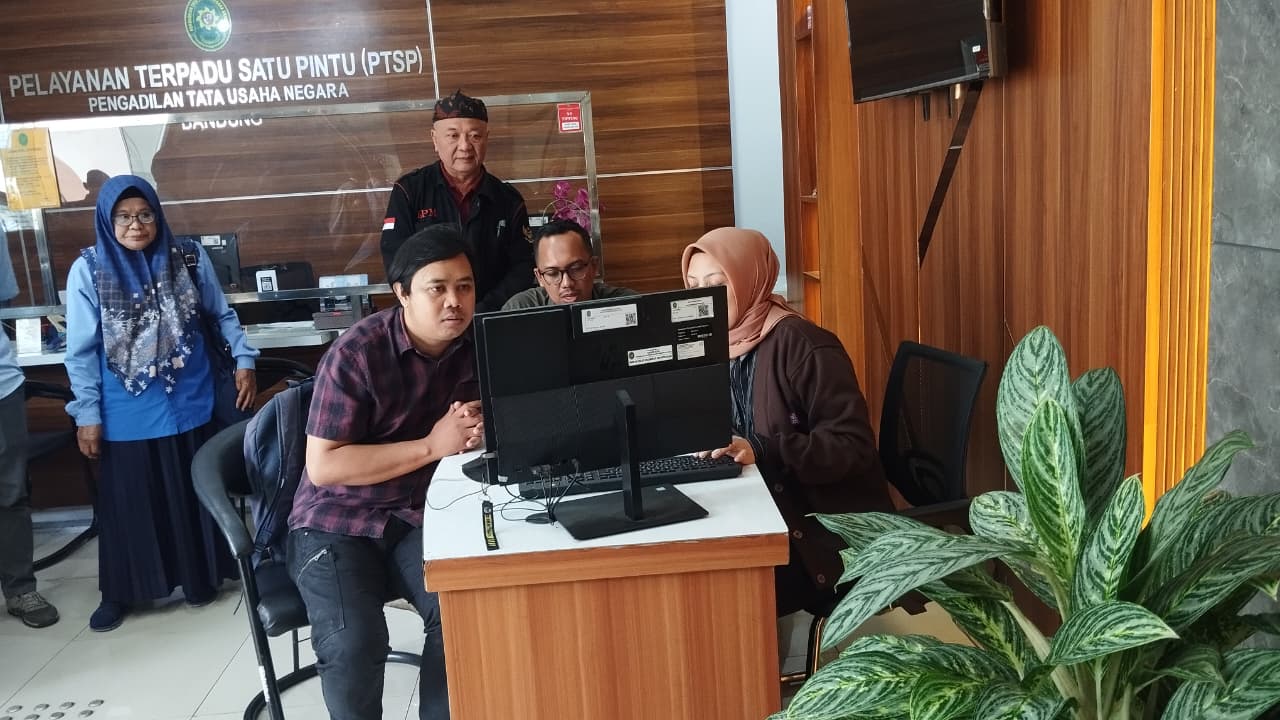
The dispute over the establishment of the 2026 Regency/City Sectoral Minimum Wage (UMSK) in West Java has entered a new chapter following a ruling by the Bandung State Administrative Court (PTUN). The lengthy process, which involved discussions at the Wage Council and a lawsuit, has culminated in a decision that labour groups hope will serve as a foundation for improving wage governance and industrial relations in the province.
In late July, the Bandung PTUN fully granted a joint lawsuit filed by labour unions regarding the West Java UMSK for 2026. Through Ruling Number 29/G/2026/PTUN.BDG, the panel of judges annulled the Governor of West Java’s Decree Number 561.7/Kep.876-Kesra/2025 concerning the 2026 UMSK, dated 29 December 2025. The issuance of the decree was proven to have violated laws and regulations, both procedurally and substantively, and contravened the General Principles of Good Governance, particularly the principles of accuracy, legal certainty, and transparency.
The Regional Executive Board (DPD) of FSP LEM SPSI West Java considers the PTUN Bandung ruling to be a momentum for all stakeholders to conduct a thorough evaluation of the UMSK determination mechanism. The organisation stressed that the polemics during the UMSK 2026 process revealed ongoing challenges in building a wage system that fairly accommodates the interests of workers, businesses, and the government.
Muhamad Sidarta, Chairman of DPD FSP LEM SPSI West Java, stated that the UMSK 2026 journey is a valuable experience for all stakeholders. The process demonstrated that differences in views must be resolved through legal mechanisms, social dialogue, and respect for prevailing regulations. He emphasised that his organisation does not view the ruling in terms of winning or losing; rather, it should be used as evaluation material to strengthen the quality of social dialogue, improve the process of compiling sectoral data, and enhance the capacity of all parties to understand wage regulations.
FSP LEM SPSI also noted that West Java is a national industrial centre facing pressures from the global economic slowdown, technological transformation, and investment competition. Under these conditions, industrial relations stability is a key factor in ensuring worker protection without sacrificing business continuity. The union believes that workers need healthy and growing companies, while businesses require a productive workforce and government policies that provide legal certainty. Therefore, wage policy cannot be separated from efforts to maintain public purchasing power, industrial productivity, and investment sustainability.
The union further assessed that the UMSK 2026 dispute should be a lesson for strengthening the quality of industrial relations in West Java. The organisation is committed to documenting the entire dispute process as learning material to ensure that future advocacy is more data-based, argumentative, and meticulous. Looking ahead, industrial relations challenges are expected to intensify, with threats of layoffs, changes in industrial structure, investment competitiveness, and worker welfare improvements requiring collaborative solutions. FSP LEM SPSI hopes the PTUN Bandung ruling will not be the end of the debate on UMSK, but rather the beginning of a more transparent and fair wage governance system that balances the interests of workers, businesses, and the government in West Java.