
PTPN IV PalmCo Confirms Continued TBS Purchases from Farmers Amid Palm Oil Price Volatility
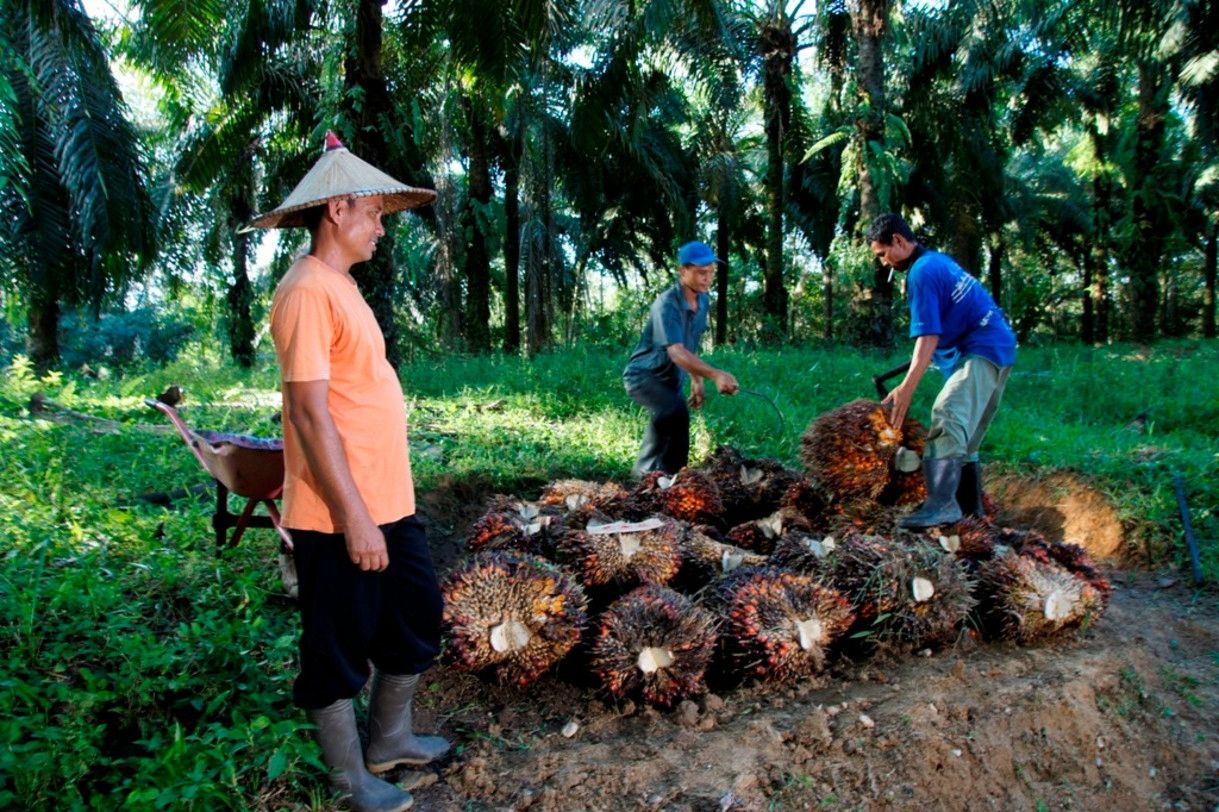
PTPN IV PalmCo has confirmed that purchases of fresh fruit bunches (TBS) from farmers and partners will continue in accordance with existing mechanisms amid the controversy over plummeting TBS prices in several regions. Previously, the Ministry of Agriculture highlighted declining TBS prices for farmers and threatened sanctions, including license revocation, against 139 private palm oil mills suspected of buying TBS below government-set regional prices. Deputy Minister of Agriculture, Sudaryono, urged all palm oil industry players to conduct transactions in line with established mechanisms and reference fair market prices. ‘Downstream actors, particularly refineries and exporters, must continue trading as usual based on PT KPBN price references and avoid withdrawing from naturally formed prices,’ he said. He stressed the government would not hesitate to impose sanctions on companies violating palm oil trade regulations. ‘If there are violations under Permentan [Ministerial Regulation], administrative sanctions and possible license revocation will follow. In cases of legal breaches, the Ministry will collaborate with the Food Task Force,’ he added. Amid these conditions, PTPN IV PalmCo CEO Jatmiko K. Santosa stated that the company had procured approximately 1.03 million tonnes of TBS from communities and partners by April 2026, a 2.52% increase compared to the same period last year. Jatmiko said sustained TBS procurement is vital for maintaining economic circulation in palm oil growing regions. ‘This volume increase aligns with clear quality standards. By April 2026, our CPO yield remained stable at 18.69%,’ he added. Meanwhile, PTPN IV PalmCo’s Institutional Relations Director, Arya Sandhiyudha, said the company continues to coordinate with provincial agriculture offices to ensure compliance with government price regulations. ‘PTPN IV PalmCo works with agricultural departments to implement Ministerial Regulation No. 13 of 2024. State-owned enterprises must serve as fair price references and market stabilisers, especially during volatile periods,’ he added. Farmer TBS prices are set by provincial price-setting teams involving local governments, palm oil processors, and farmer representatives. The mechanism aims to align prices with crude palm oil (CPO) market trends while protecting farmers from below-reference price purchases. The mechanism’s positive impact is felt by farmers in company partnerships. Suparman, Secretary of Sawit Makmur Village Cooperative in Tanah Laut District, South Kalimantan, said cooperative members have not faced price volatility like independent farmers. ‘As official partners, we use provincial agriculture office-set prices. External market fluctuations do not affect us,’ he said. South Kalimantan’s Agriculture Office data shows mature palm trees (10-20 years old) had TBS prices ranging from Rp3,781 to Rp3,841 per kilogram in May 2026. A similar situation was reported by Riau farmers. Hadiyanto, Chairman of Makarti Jaya Producer Cooperative in Rokan Hulu District, said members were relatively shielded from market price swings due to a decades-long partnership with PTPN. ‘While independent farmers suffer from price drops, we remain stable. Our prices are significantly higher—up to Rp600-1,000 per kilogram—than nearby private mills,’ he added. Hadiyanto said price certainty greatly assists farmers, especially when productivity declines due to aging trees or replanting. ‘It greatly helps our members. As production trends dip and prices at other mills fall, PTPN maintains stable pricing,’ he added. PTPN IV PalmCo considers partnerships and consistent TBS procurement crucial for safeguarding farmer incomes amid market uncertainty and palm oil price fluctuations.