
PTPN III reveals strategy to support national food and energy self-sufficiency
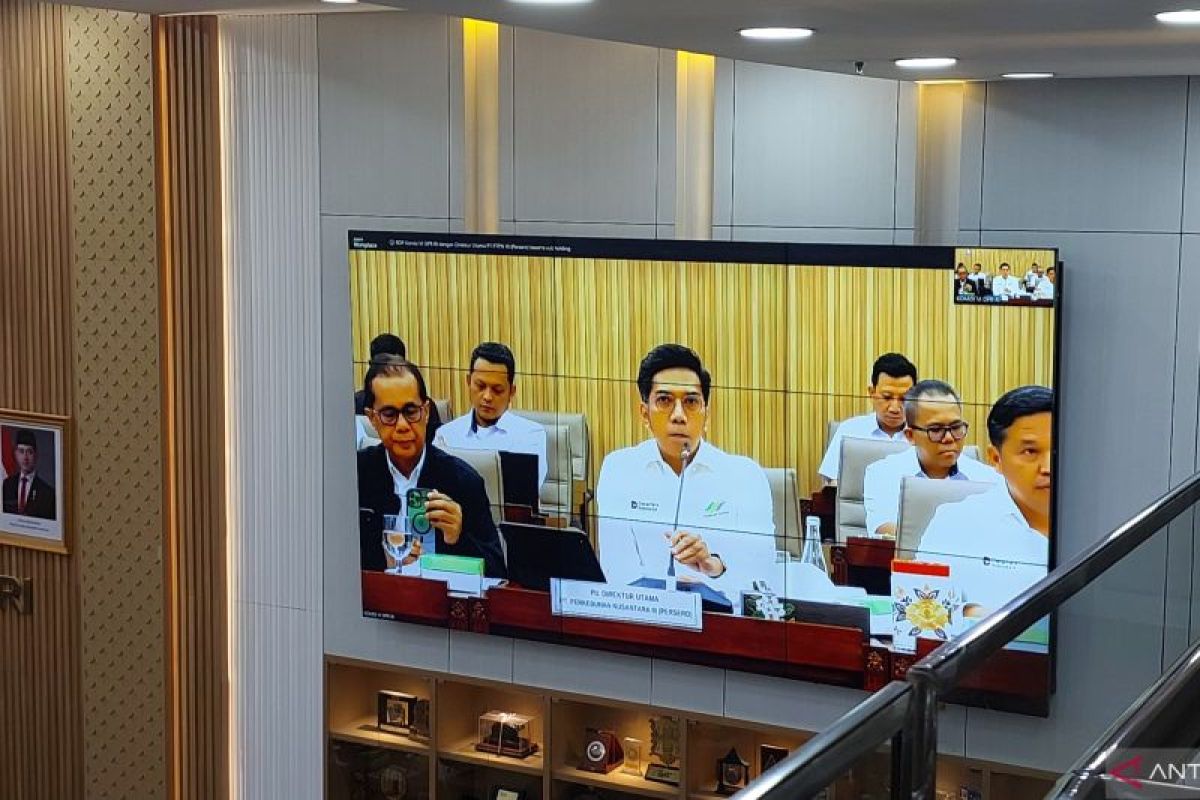
Jakarta - Acting President Director of PT Perkebunan Nusantara III (PTPN III) Iswahyudi has revealed three main strategies to support the government’s target of achieving food and energy self-sufficiency: increasing productivity or intensification, expanding commodity land (extensification), and developing downstream industries. Regarding intensification, PTPN III will increase the productivity of already managed land by implementing best practices for oil palm and sugarcane. “For oil palm, we have an aspiration that from 2025 and over the next five years, fresh fruit bunch (FFB) yields will increase from 20.63 tonnes per hectare to 21.5 tonnes per hectare,” Iswahyudi said during a hearing with Commission VI of the Indonesian House of Representatives in Jakarta. Meanwhile, for sugarcane, the company is targeting a productivity increase from 66.6 tonnes to 83.2 tonnes per hectare, while the sugar yield is targeted to rise from 6.19 percent to 7.55 percent. These targets will be supported at the subholding and holding levels through precise fertilisation, harvest standardisation, logistical improvements, and factory optimisation. Iswahyudi outlined the second strategy, extensification, which involves expanding the planting area for various existing commodities. By 2030, PTPN III plans to add 270,000 hectares of oil palm land and 500,000 hectares of sugarcane land to support food and energy self-sufficiency related to sugar and bioethanol production. In addition, the company will also develop new commodities, such as 104,000 hectares of cassava for bioethanol, 4,200 hectares of maize, 200,000 hectares of soybeans, and 24,000 hectares of garlic over the next five years. The third strategy is downstream processing, turning plantation products into value-added goods. “For palm oil, there is biodiesel, then Compressed Biomethane Gas (CBG), margarine, and cocoa butter equivalent (CBE). For sugarcane, we aspire to add three sugar factories and six bioethanol plants. Then for cassava and maize, there are two bioethanol plants,” Iswahyudi said. To realise the entire programme within the next five years, PTPN estimates it will require an investment of approximately Rp140 trillion, nearly equivalent to the company’s current total assets of Rp158 trillion. PTPN is also requesting support from the government, shareholders, and the House of Representatives, ranging from expanding the status of National Strategic Projects (PSN), funding support, and accelerating permits, to strengthening cross-ministerial coordination so that the food and energy self-sufficiency programme can proceed on target.