
PTPN III Prepares Strategic Programmes to Support 2026 Performance Targets
PT Perkebunan Nusantara III (PTPN III) is preparing several strategic programmes in collaboration with shareholders to strengthen performance and achieve company targets by the end of 2026, while simultaneously supporting government programmes to drive the national economy.
Acting President Director of PTPN III, Iswahyudi, stated that the first work programme relates to the consolidation of the sugar business. All state-owned sugar mills have now officially been merged into PT Sinergi Gula Nusantara (SGN) to ensure more efficient management of the state-owned sugar business through a single entity.
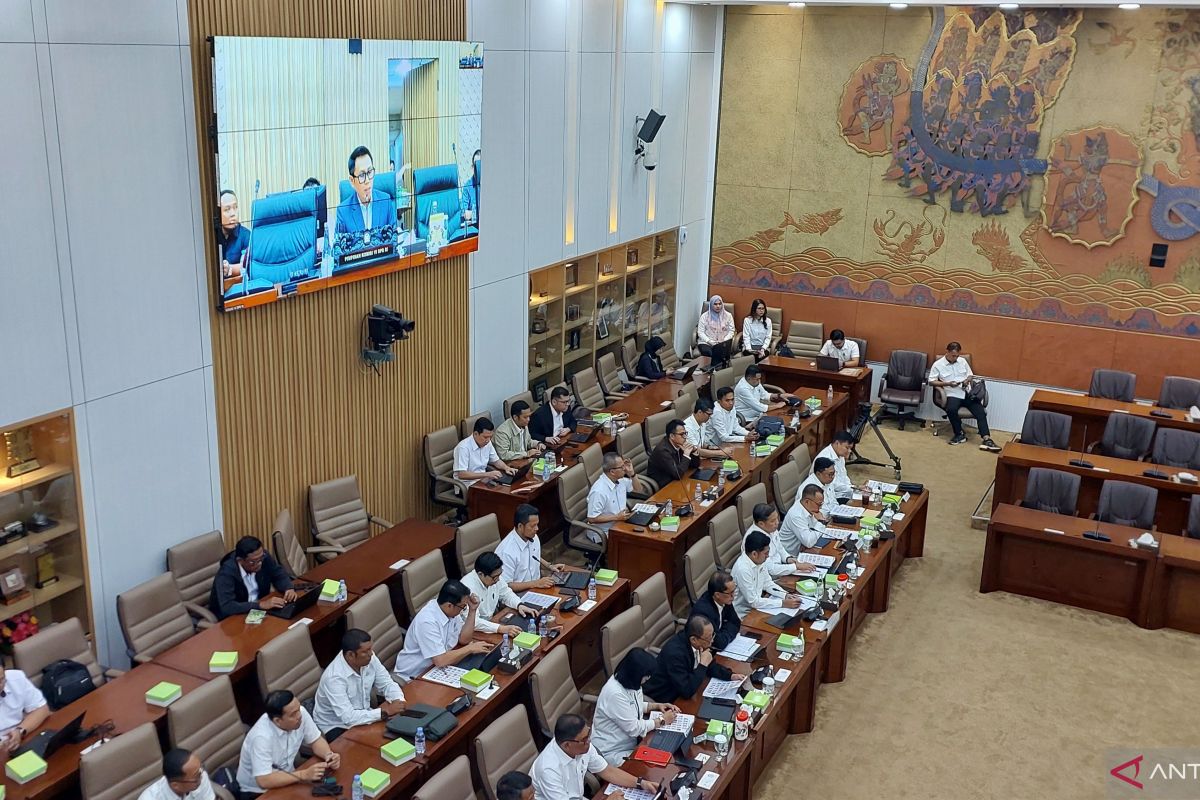
“Six sugar mills owned by RNI, or three sugar companies managing RNI mills, have officially joined our sugar-managing subsidiary, PT SGN. Therefore, currently and in the future, all management of the state-owned sugar business will be under one entity, namely PT SGN,” said Iswahyudi during a Hearing Session with Commission VI of the Indonesian House of Representatives (DPR RI) at the Parliament Complex in Senayan, Jakarta, on Monday.
Secondly, PTPN will undertake a shareholder settlement to improve capital structure. Iswahyudi noted that all assets and management of oil palm plantations will be centralised under PTPN IV (PalmCo), covering 570,000 hectares, while all sugarcane land owned by PTPN 1 will be fully managed by PT SGN. This step is intended to ensure that the management of each commodity is more focused and integrated.
The third programme involves corporate restructuring to simplify the number of subsidiaries from 69 entities to approximately 19 entities by the end of 2026. This restructuring will be achieved through mergers, simplification, and the liquidation of several companies.
“There are several companies that we will merge, some that we will roll up, and some that we will liquidate. We target that by December 2026, the 69 entities within the group will, God willing, become 19 entities,” said Iswahyudi.
PTPN will also strengthen operational excellence this year to increase the productivity of all commodities. The company continues to prioritise the improvement of the rubber, tea, and coffee businesses, particularly rubber and tea, which have not yet achieved optimal performance.
Fifthly, PTPN will undertake asset disposals, which involves releasing assets required to support national strategic projects, such as the construction of toll roads, electrical infrastructure, and other government projects.
Iswahyising added that PTPN will also accelerate downstreaming and extensification, which involves developing value-added products from plantation commodities such as palm oil, sugarcane, coconut, and nutmeg, while simultaneously expanding business development to support government programmes.