
PTPN I Targets Global Cigar Market via Bali
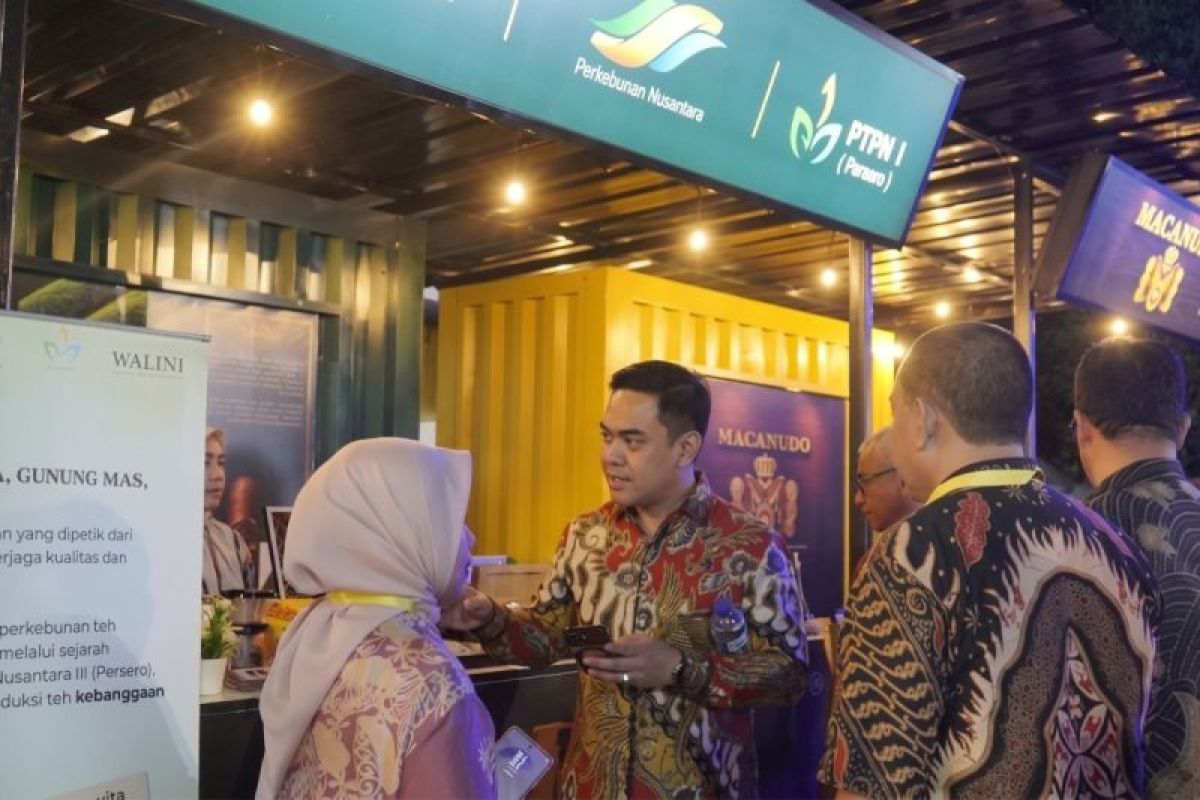
PT Perkebunan Nusantara I (Persero) is utilising the 2026 Indonesian Cigar Festival (ICF) in Bali as a momentum to introduce Indonesian cigar products to the international market and community.
Arif Budiman, Director of Marketing & Asset Management at PTPN I, stated that Bali’s character as an international tourist destination provides opportunities for the company’s cigar products to reach consumers from various countries. “The ICF is a national-level event with great potential to evolve into an international event. This serves as a momentum for PTPN I to introduce cigar products from Deli Nusantara and Golden Djawa,” Arif said in Denpasar on Friday.
The ICF 2026 was attended by the Director of Beverage, Tobacco, and Refreshment Industry of the Indonesian Ministry of Industry, Merianti P. Pintaria; Member of the Regional Representative Council (DPD RI) I Gusti Ngurah Arya Wedakarna; PTPN I Director of Marketing & Asset Management Arif Budiman; representatives from InterTabac; and various cigar industry players from across Indonesia.
The event features product exhibitions, business forums, and industry networking sessions, which are expected to serve as a meeting point to expand networks and open business opportunities for the Indonesian cigar industry.
According to Arif, the presence of PTPN I through Deli Nusantara and Golden Djawa is part of an effort to strengthen the downstreaming of plantation commodities through value-added products. Deli Nusantara is a cigar product that highlights the character of Deli tobacco from North Sumatra, while Golden Djawa represents tobacco from Java. Both products are part of PTPN I’s downstream product portfolio.
“Bali is a destination for tourists. Through this ICF event, we want to introduce PTPN Group’s cigar products, specifically PTPN I, to cigar enthusiasts visiting Bali,” he added.
Arif noted that future cigar development will not only rely on raw material quality but also on consistency in quality, innovation, packaging, brand strengthening, and the ability to understand market characteristics. “PTPN I will always innovate regarding products that are needed and suitable for market segments, so that they can be increasingly accepted by consumers in the future,” he continued.
Arif also expressed hope that the ICF can be held sustainably so that more Indonesian cigar products can be developed and introduced to a wider market. “We hope this event continues. This is the first event of its kind in Bali and Indonesia. Hopefully, it will be sustainable so that more products can be developed,” Arif concluded.
Meanwhile, the Chairperson of ICF 2026, Opa Ewin, stated that Bali holds a strategic position in introducing Indonesian cigar products to the international market due to high levels of foreign tourist arrivals. “We see a great opportunity in Bali because its tourism is high-class. From Bali, Indonesian products have the opportunity to be known more widely,” he said.
According to Opa Ewin, the cigar industry also contributes to state revenue through excise duties. He assessed that this condition demonstrates that the tobacco and cigar industry possesses a broad economic ecosystem, ranging from farmers to producers and markets.
For PTPN I, ICF 2026 serves as a space to introduce and test market response to the company’s developed cigar products. Bali acts as a meeting point between Indonesia’s tobacco wealth, downstream plantation products, and tourists from all corners of the world.
Through this momentum, PTPN I aims to position cigars as Indonesian downstream plantation products that extend beyond the domestic market. From Bali, the company sees an opportunity to expand the recognition of Deli Nusantara and Golden Djawa while paving the way for Indonesian cigar products to enter a broader global market.