
PTPN I Strengthens Global Coffee Supply Chain, Targets Productivity Boost and Export Markets
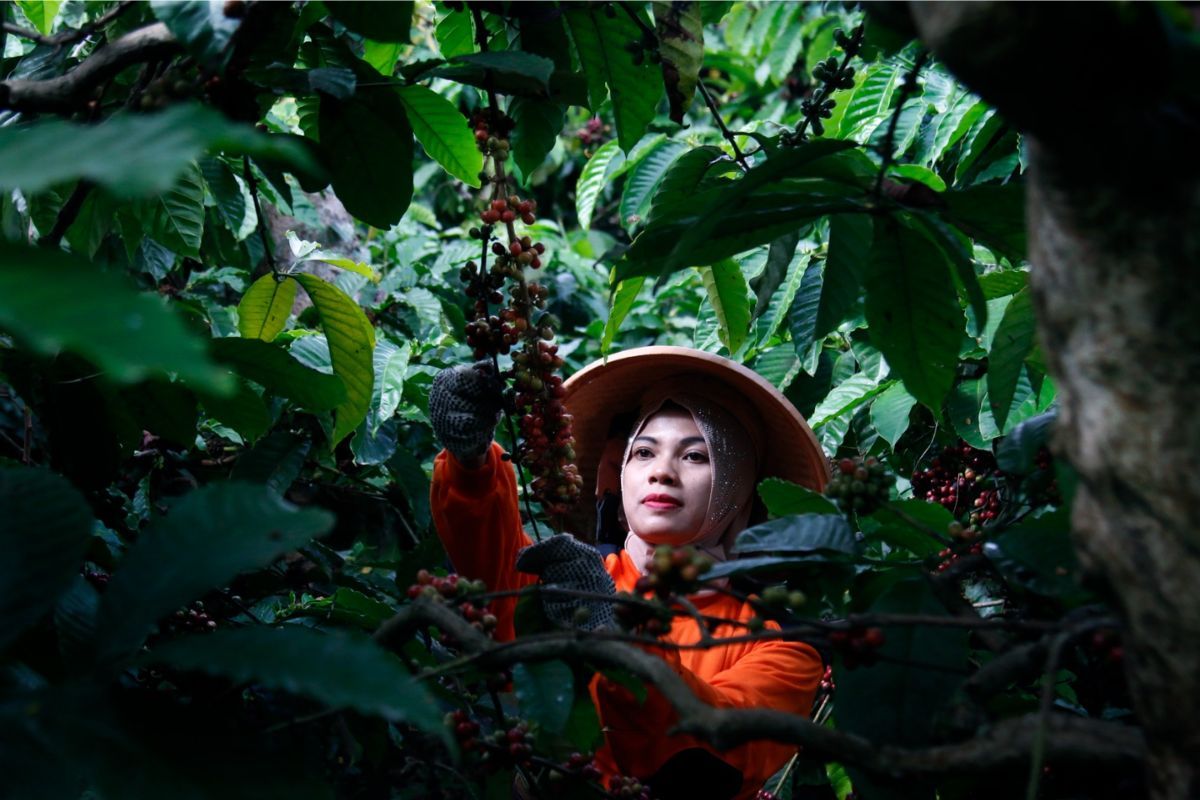
PT Perkebunan Nusantara I (Persero) is strengthening its coffee business development strategy through agronomic innovation, increased plantation productivity, and enhanced downstream processing to expand global market penetration. This transformation of the coffee sector is part of the company’s effort to address the challenges of climate change, international market dynamics, and the growing need for high-quality coffee products. PTPN I President Director Teddy Yunirman Danas stated that supply chain integration from upstream to downstream is the company’s main strategy to boost the competitiveness of Indonesian coffee. “This transformation is a long-term corporate commitment to deliver Indonesian coffee with global competitiveness through strengthened plantation productivity, processing efficiency, and the development of value-added products,” Teddy said in a statement in Jakarta on Friday (12/6/2026). To maintain production continuity, PTPN I is implementing precision plant maintenance strategies across its plantation areas. These measures include replanting and infilling programmes, increased fertilisation ratios, regular branch pruning, and soil fertility rehabilitation. Plant rejuvenation programmes are carried out to maintain optimal plant populations per hectare while increasing production stability. Post-harvest pruning is applied to encourage the growth of productive shoots and improve plant air circulation. Additionally, the company is strengthening sustainability aspects through the use of organic materials as part of a circular agricultural ecosystem. The organic fertiliser is developed through collaboration with local farmers around the plantation areas. According to Teddy, strengthening the upstream sector is not only oriented towards increasing production volume but also serves as an adaptation measure to climate change. “The selection of superior seeds and the application of cultivation technology are important factors to ensure consistent coffee production while meeting international market standards,” he said. In developing its coffee commodities, PTPN I focuses on two main types: Arabica and Robusta. For Arabica, the company is developing varieties such as Andung Sari 2 K, Gayo, and Kamasti with a production potential of up to 850 kilogrammes per hectare. For Robusta, PTPN I uses several superior clones such as BP 42, BP 409, BP 939, and Tugusari 6 with a production potential of up to 1,000 kilogrammes per hectare. The selection of these varieties is aimed at producing coffee with quality that meets the needs of the global premium market, including in terms of flavour and production consistency. The strengthening of PTPN I’s coffee supply chain is supported by the integration of plantation areas and modern processing facilities spread across several regions, including Banyuwangi, Jember, and Banaran. In East Java, PTPN I Regional 5 manages a number of robusta coffee production areas, including Bangelan Estate in Malang, Ngrangkah Pawon Estate, Renteng Estate, and Silosanen Estate. The company is also developing the Java Coffee Estate (JCE) on the slopes of Mount Ijen as part of its premium coffee development. Meanwhile, in Central Java, PTPN I Regional 3 operates a coffee processing facility at Banaran Estate and several other production areas such as Sukamangli, Ngobo, Getas, and Jolong. Through this strengthened upstream-to-downstream process, PTPN I’s coffee products not only target the domestic market through premium brands such as Banaran Coffee but have also penetrated export markets in countries with high consumption of premium coffee, such as Japan, the United States, and the European Union region. PTPN I aims to strengthen the national coffee ecosystem to increase the commodity’s added value while reinforcing Indonesia’s position as a quality coffee producer in the global market.