
PTPN I Reaffirms Strategic Role in Supporting National Food Sovereignty
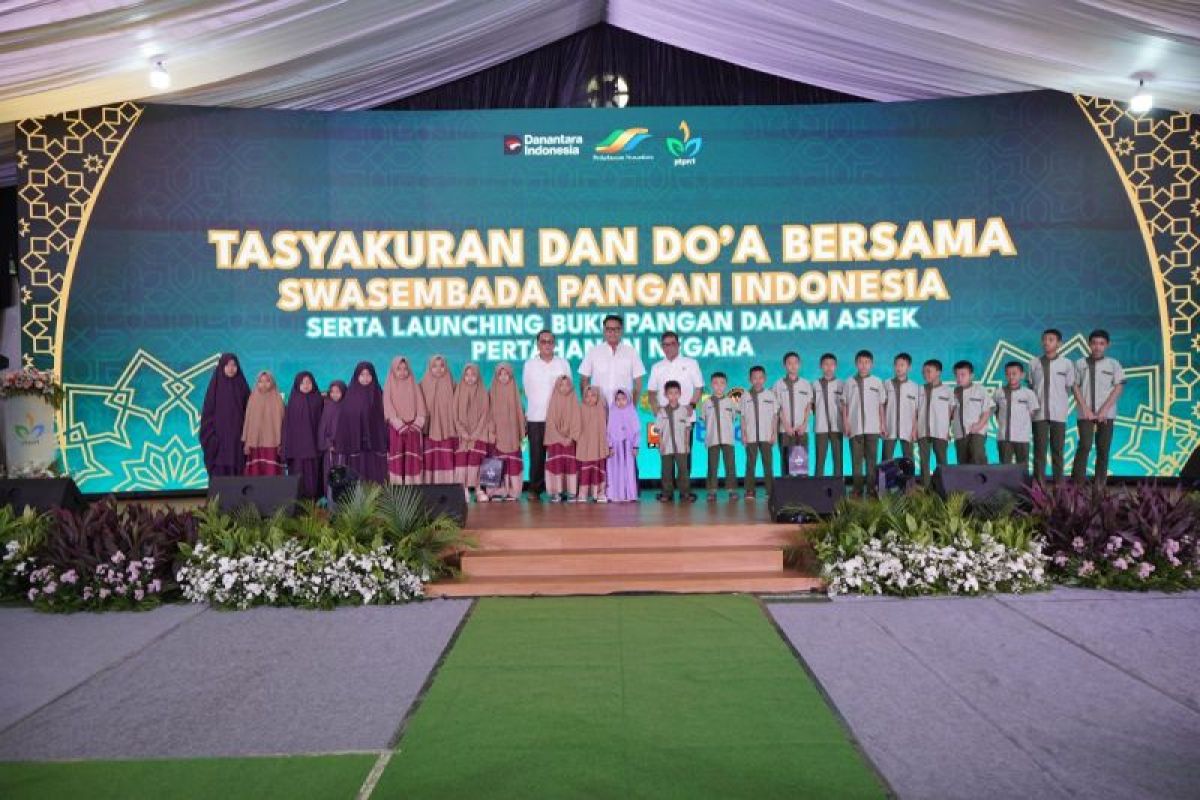
Jakarta (ANTARA) – PTPN I (Persero) has reaffirmed its commitment to supporting food security and strengthening national sovereignty through business transformation, plantation modernisation, and the development of downstreaming for strategic national commodities. This commitment was emphasised during the Thanksgiving and Joint Prayer for Indonesian Food Self-Sufficiency event and the launch of the book ‘Food in the Aspect of National Defence’ by the President Director of PTPN I, Abdul Rivai Ras, in Jakarta on Saturday (1/8).
During the event, Abdul Rivai Ras stated that PTPN I holds a strategic position as it operates in the agro-sector, which is directly linked to national food security. In addition to absorbing a large number of workers, the company also plays a role in facilitating development in various regions and serving as a centre for technology transfer and innovation in the plantation sector.
“President Prabowo’s Asta Cita programme is highly relevant to PTPN I’s duty in supporting food security. A nation that is unable to meet its own food needs will not be truly independent,” said Abdul Rivai Ras.
He explained that, according to government data, national rice production in 2025 is expected to reach approximately 34.71 million tonnes, an increase of 13.36 per cent compared to the previous year. Paddy production is recorded at 71.95 million tonnes of harvested dry grain (GKP), with a rice surplus of about 3.52 million tonnes, meaning Indonesia will not conduct imports of consumption rice throughout 2025. Government rice reserves are also reported to be at the highest level in Indonesia’s modern history.
Furthermore, Indonesia has achieved self-sufficiency in eight strategic commodities: rice, feed maize, consumer sugar, large chilli, bird’s eye chilli, shallots, broiler chicken, and broiler eggs. According to Abdul Rivai Ras, these achievements are the result of synergy between the government, farmers, State-Owned Enterprises (SOEs), academics, the business community, the TNI (National Armed Forces), the Polri (National Police), and various other stakeholders.
He assessed that the success of food self-sufficiency must serve as a foundation for building a more resilient and sustainable national food system. In this context, the plantation sector plays a vital role through increased productivity, strengthening downstream industries, developing superior seeds, and establishing partnerships with farmers.
PTPN I, he continued, will continue to accelerate business transformation through plantation modernisation, operational digitalisation, human resource quality improvement, and bioenergy-based downstreaming. These steps are expected to increase the company’s contribution to food security while simultaneously supporting national energy security.
According to Abdul Rivai Ras, global challenges such as climate change, geopolitical conflicts, and international supply chain disruptions further emphasise that food security is an inseparable part of national security.
He also noted that the success of food self-sufficiency serves as an important foundation for the implementation of various government programmes, including the Free Nutritious Meal (MBG) Programme, which requires a sustainable supply of food ingredients.