
PTPN I: Mujiran case becomes evaluation for corporate-community communication
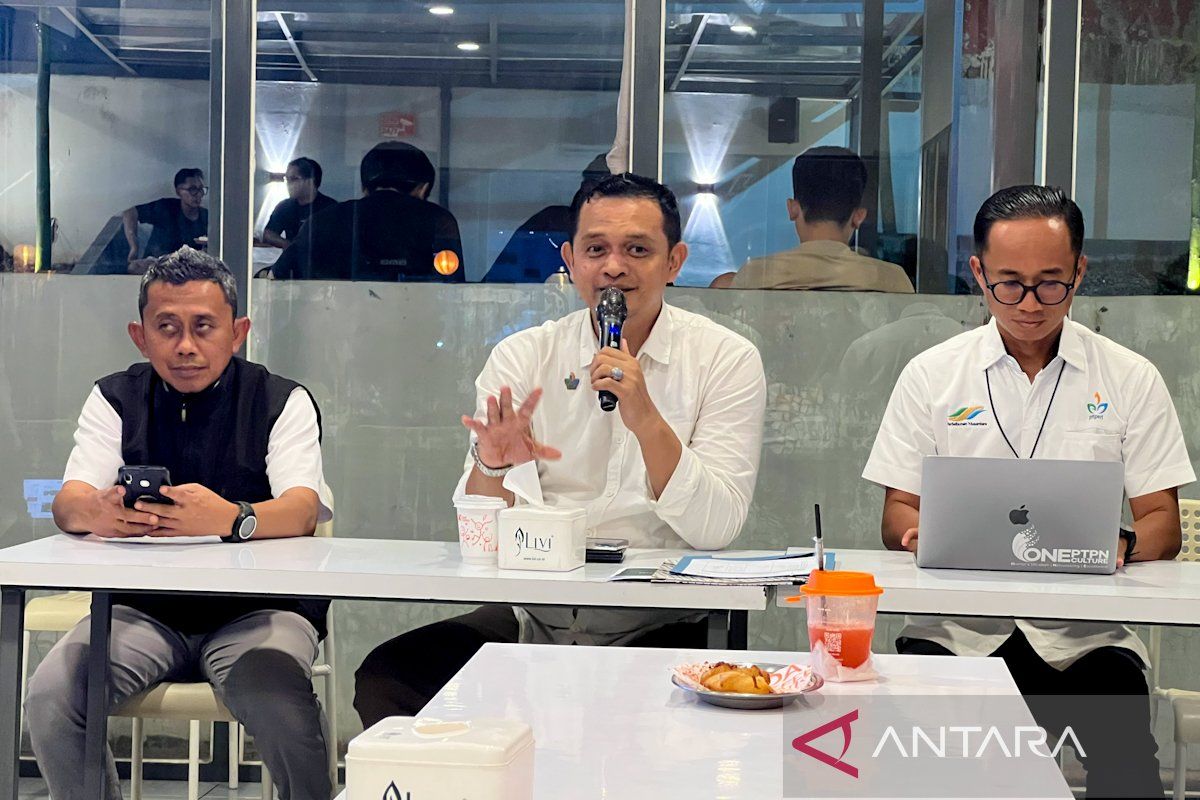
PT Perkebunan Nusantara (PTPN) I is using the case of Kakek Mujiran in Lampung as material for evaluation to strengthen communication between the company and communities around its operational areas in the future. Company Secretary Aris Handoyo stated that, in principle, the company has consistently provided guidance to the community as part of its social and economic responsibility. “Regarding the recent case, PTPN took a middle path so that all parties understand that PTPN actually has no intention of punishing someone if that person is not guilty or has not caused harm to PTPN,” Aris said during a discussion with media in Jakarta on Monday evening. He added that this relationship is also realised through partnerships with local farmers, including purchasing community produce at prices that provide a fair economic benefit. Aris explained that the restorative justice (RJ) approach taken in the case served as a middle way to maintain stability while showing the company has no intention of harming the community. He assessed that the resolution of the matter provided an important lesson for the company about the need to increase the intensity of communication with communities around plantation areas. Going forward, PTPN I plans to strengthen various economic development programmes so that the community better understands the benefits of the company’s presence for social life and the local economy. “With this RJ outcome, it will certainly become a new lesson for PTPN that we perhaps need to increase the intensity of communication with the community,” he said, along with economic guidance so residents increasingly understand that the existence of PTPN plantations provides a positive multiplier effect for local people. According to Aris, rubber plantation operations provide a direct economic impact through job creation for residents involved in tapping and plant maintenance activities. Beyond the plantation level, rubber processing industrial activities also open employment opportunities for people involved in the production process and management of plantation output. Other economic benefits are also felt by the transport sector, as the distribution of the company’s products involves various transport services largely run by communities around the plantation. Aris added that rubber commodity export activities also contribute to the country’s foreign exchange earnings while supporting government revenue through various tax instruments. He said these various economic impacts need to be continuously communicated to the community to foster a better understanding of the plantation’s contribution to regional development. He acknowledged that some parties still do not fully understand the benefits of the plantation’s presence, necessitating a more intensive and sustainable approach from the company. Therefore, PTPN I is committed to expanding assistance and empowerment programmes that reach various community groups to strengthen the company’s relationship with residents around the plantation. Aris explained that the Kakek Mujiran case in Lampung became an important experience for the company in balancing law enforcement, public communication, and efforts to maintain good relations with the surrounding community. Aris said PTPN I chose to take a middle path through restorative justice to ease tensions, maintain environmental stability, and avoid situations that could potentially trigger wider conflict. He acknowledged that the intense initial media coverage limited the company’s room for clarification, so public attention had already been formed before PTPN had the opportunity to explain the chronology thoroughly and proportionately. Therefore, PTPN I is using the case as an evaluation to strengthen communication with the media and the community, while ensuring that any legal steps taken are understood based on the actual facts.