
PTKIN Alumni Forum Proposes Expanded Membership and Civilisational Role for Islam
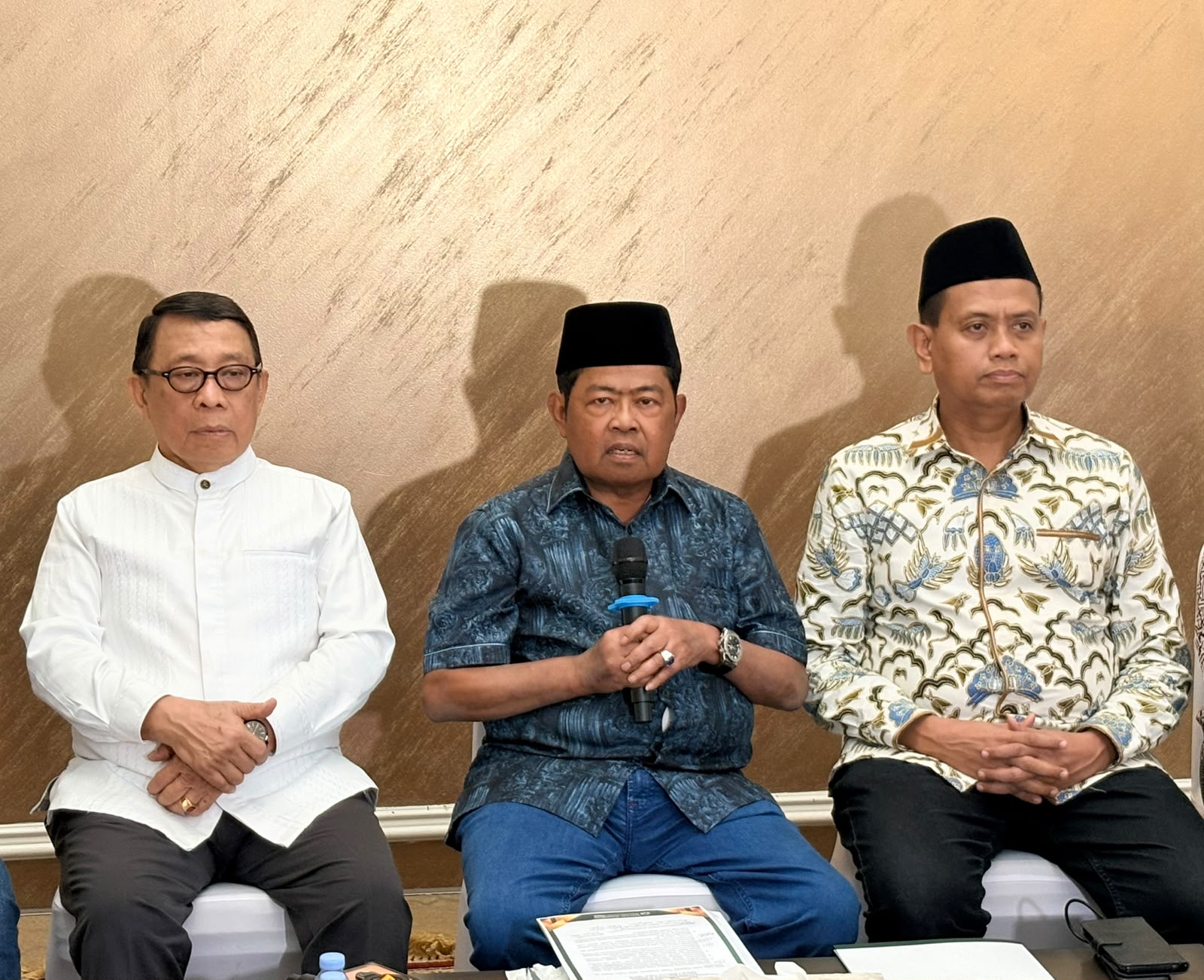
The Alumni Association of State Islamic Religious Higher Education Institutions (IKA PTKIN) has held its National Congress (Munas) from 13–17 July in Jakarta, an event which produced a number of ideas forming the basis for strengthening the organisation and expanding IKA PTKIN’s role.
Chairman of the IKA PTKIN National Forum, Idrus Marham, said one of the ideas to emerge from the event was expanding membership beyond the alumni of 59 Islamic campuses. IKA PTKIN is ready to embrace private universities, general universities, and higher education institutions based on other religions.
“This idea is a note of thinking conveyed by Religious Affairs Minister Nasaruddin Umar, which will certainly be a fundamental asset in making Indonesian Islam the epicentre of world civilisational transformation,” Idrus said in Jakarta on Friday (17 July).
Another idea born from the event was the Asta Muharram declaration. Idrus said the declaration contains eight key points, including an annual Festival Muharam featuring a range of activities such as seminars on Islam, a culinary festival, and events rooted in Islamic culture.
“Also part of Asta Muharram is our commitment to strengthening the historical role of the Islamic community in consolidating religious and national unity. This needs to be preserved and reinforced through a book (Islamic Figures in the Transformation of World Civilisation), so that the historical values of the community’s past role can endure,” said Idrus.
As part of the National Congress, a National Seminar was also held under the theme ‘Islamic Civilisational Transformation to Build a New World’. The seminar discussed the character of Indonesian Islam, which is considered distinctive compared to religious practice in various other countries.
According to Idrus, Islam in Indonesia is not only the majority religion in terms of the number of followers, but has also developed with a moderate character, emphasising the values of rahmatan lil alamin (mercy for all creation), and is able to bridge religious life with various aspects of social life. Going forward, he said, this needs to be amplified more widely.
“This must be pursued more intensively and continuously, to draw up agendas not only in Indonesia but later also in several other countries, in order to socialise these ideas,” he said.
The National Congress, held on 13 July, was attended by around 240 alumni administrators from the 59 state Islamic religious higher education institutions. The event discussed three main agendas: drafting the organisation’s articles of association and by-laws (AD/ART), drawing up the work programme of the IKA PTKIN National Forum, and formulating the organisation’s core ideas as a contribution to religious and national issues, both at the national and global levels.