
PTBA Empowers Women Trainees for Economic Independence
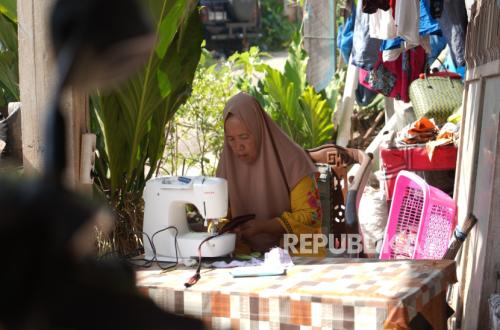
TANJUNG ENIM – The sound of sewing machines is now heard more frequently in the corner of Panjang District, Bandar Lampung. Behind the rhythmic noise, women’s hands are weaving something more than just fabric.
The area, previously known as PMD or Pemandangan, long associated with the stigma of a red-light district, is slowly changing. This transformation did not come from outside; it grew from the hands of around 30 women who are part of the Tapis Melati group.
In this community, they learn, survive, and gradually find their way back. With their own hands, they weave tapis cloth, a traditional Lampung fabric rich in cultural meaning and passed down through generations.
For them, tapis is more than fabric. Each thread embroidered tells a story of patience, diligence, and hope for a better life. Amidst the stigma that has long overshadowed their home, these women choose to fight the situation with their craft.
However, the journey is not easy. Production tool limitations are the main challenge. Some sewing processes are still done alternately with makeshift equipment. Production time slows down, while demand starts coming from various activities and exhibitions in Bandar Lampung.
When Their Struggle Was Seen
The struggle of Tapis Melati reached the ears of PT Bukit Asam (Persero) Tbk. Through Bukit Asam Tarahan Port, the company provided tangible support in the form of four sewing machines to support the group’s production activities.
For Tapis Melati, this aid is more than just work tools; it is a symbol that their struggle has been seen and appreciated.
For PTBA, supporting the tapis weaving centre in the former red-light district area is part of the company’s commitment to promoting community economic independence through the creative economy sector.
“We see the spirit of change growing from the community, especially women, to rise and build more positive, productive, and dignified livelihoods. Through strengthening skills, providing production facilities, and developing businesses based on local culture like tapis cloth, we hope to create new economic opportunities that can sustainably improve community welfare,” said PTBA Corporate Secretary Eko Prayitno.
He emphasised that collaboration and community empowerment are key to inclusive social transformation and preserving local cultural heritage to remain alive with strong economic value.
From Thread to Hope
Now, the workshop feels more vibrant. New machines hum, speeding up production of tapis and derivative products. Members’ confidence grows as they continue to innovate, creating increasingly creative and marketable designs.
Their hope is simple: the handwoven tapis by these women can gain wider recognition and open the path to better economic life for their families.
For the Lampung community, tapis holds cultural value, life philosophy, and a symbol of honour and regional pride. Preserving it means nurturing a heritage that has existed long before they were born.
In an area once looked down upon, this heritage is now turning into a path for social change. Women who once lived under the shadow of stigma are slowly rebuilding their future with threads of hope.
Piece by piece, these women weave their dignity and future back with each tapis cloth.