
PT TSPM Secures Bonded-Zone Facility, Ready to Expand Exports to Global Markets
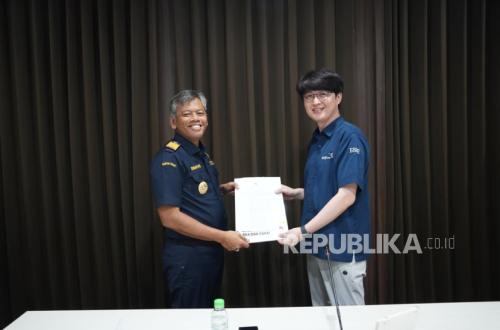
East Java Regional Office of Customs and Excise I has granted a bonded-zone facility to PT Tri Sakti Purwosari Makmur (TSPM) to support the expansion of the company’s factory in Pasuruan. This approval forms part of the government’s efforts to spur growth of the national industry while enhancing Indonesian products’ competitiveness in international markets. Rusman Hadi, head of East Java Regional Office of Customs and Excise I, said that recipient companies must be able to maximise the fiscal and procedural conveniences while continuing to comply with applicable regulations. ‘We hope that with this bonded-zone facility, the company will be more competitive in the global market and, of course, improve the economy of the general public in the areas around its operations,’ he said in a statement on Wednesday (20 May 2026). A bonded-zone is a form of customs facilitation involving the deferral of payment of import duties and taxes on raw materials, with the condition that the production results are destined for export. Through this facility, the company is expected to reduce production costs and strengthen its competitiveness in the global market. Granting this facility to PT TSPM will have a significant economic impact. The company has committed more than Rp 6.1 trillion for the development of its new factory in Pasuruan. Moreover, PT TSPM aims to expand exports by producing Tembakau Iris (TIS) and Sigaret Putih Mesin (SPM). Export destinations include Taiwan, Mongolia, South Korea, Russia, Turkey, and Nigeria. The company projects that exports could reach USD 464 million by 2028. In terms of employment, the expansion is expected to absorb up to 666 new jobs in Pasuruan and the surrounding region. The investment is expected to spur economic growth in the local community. ‘We hope that the provision of the bonded-zone facility will create a more conducive investment climate and support the smooth flow of goods to strengthen the export-oriented national industry,’ concluded Rusman.