
PT TPS: Equipment Renewal and Facilities to Support Container Flow
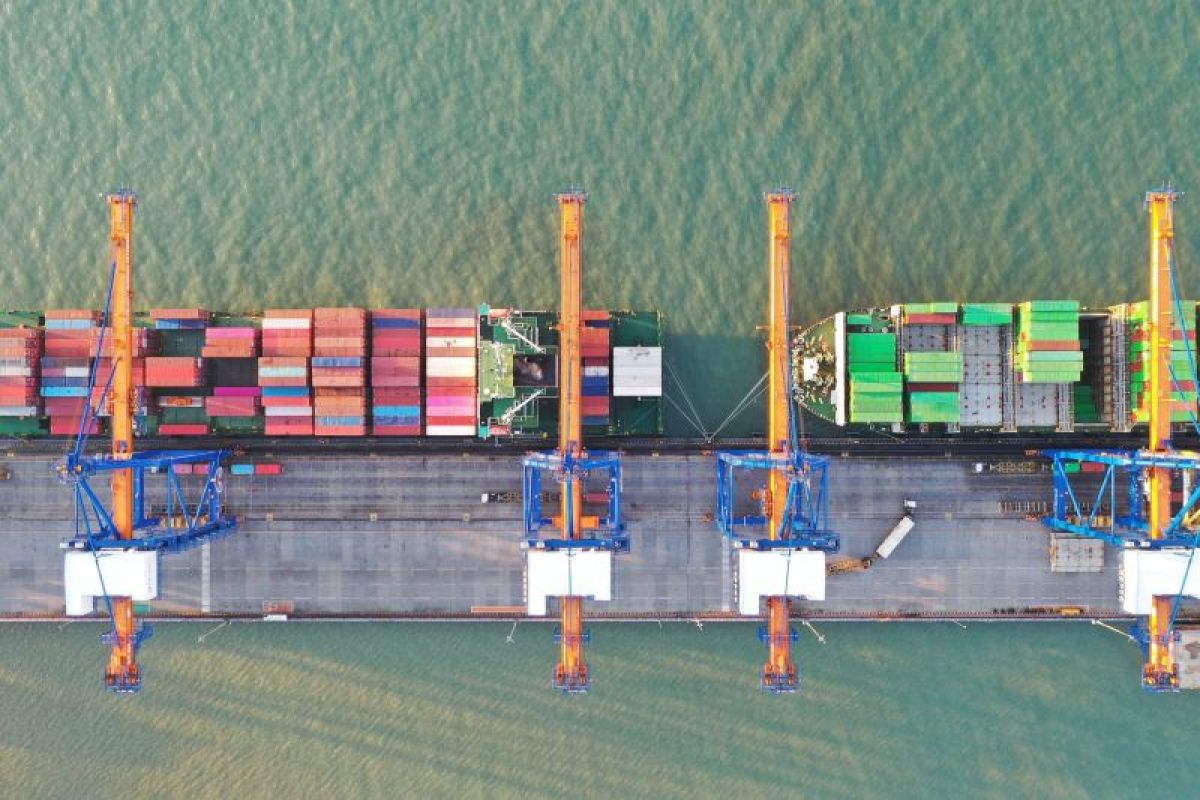
Surabaya, East Java (ANTARA) - PT Terminal Petikemas Surabaya (TPS) has stated that the recently completed renewal of its equipment and facilities will support the growth of Indonesia’s container flow and global trade.
“As one of the main logistics gateways, TPS is strengthening its infrastructure and operational equipment to ensure the terminal is ready to accommodate the growth of container flows and developments in global trade,” said TPS President Director Wahyu Widodo in a statement issued in Surabaya, East Java, on Friday.
TPS has carried out several infrastructure and operational equipment upgrades, including the commissioning of four units of Electric Quay Container Cranes (e-QCC) and 14 units of Electric Rubber Tyred Gantry (e-RTG) cranes, which use electrical power as their primary energy source.
The addition of the four new e-QCC units will enhance the terminal’s ability to serve large vessels with higher productivity at the berth.
Meanwhile, the 14 new e-RTG units will strengthen yard operations through faster container movement and more optimal yard management.
Beyond merely adding equipment, Wahyu said the electrification-based renewal programme is expected to reduce dependence on fossil fuels, improve energy efficiency, and help curb carbon emissions generated from terminal operations.
This step aligns with the commitment of TPS and the Pelindo Group to creating a more environmentally friendly logistics ecosystem and supporting the sustainable development agenda in the port sector.
TPS Senior Commercial Manager Bayu Setyadi said the operation of the electric e-RTG and e-QCC units is a step by TPS to reduce the terminal’s operational carbon footprint, so that customers not only receive more productive and reliable services but also become part of a greener logistics ecosystem.
In practice, the renewal programme faced numerous challenges, as the entire process of installation, testing, system integration, and commissioning of the new equipment had to be carried out in the midst of terminal activities that had to continue running to serve customer needs.
Bayu said this required careful operational planning so that the project could proceed on schedule without significantly disrupting service continuity.
TPS also continued to ensure the readiness of its human resources and operational systems to optimise the use of the new equipment from the first day of operation.
Various processes, including operator training, operational simulations, safety testing, and adjustments to working procedures, were carried out in stages to ensure the equipment could operate safely and optimally.
“Our biggest challenge was maintaining a balance between carrying out the renewal work and the service needs that had to continue running every day. That is why the entire process was carried out gradually and in a planned manner,” he said.