
PT SBI Increases Refuse-Derived Fuel Utilisation to Curb Emissions
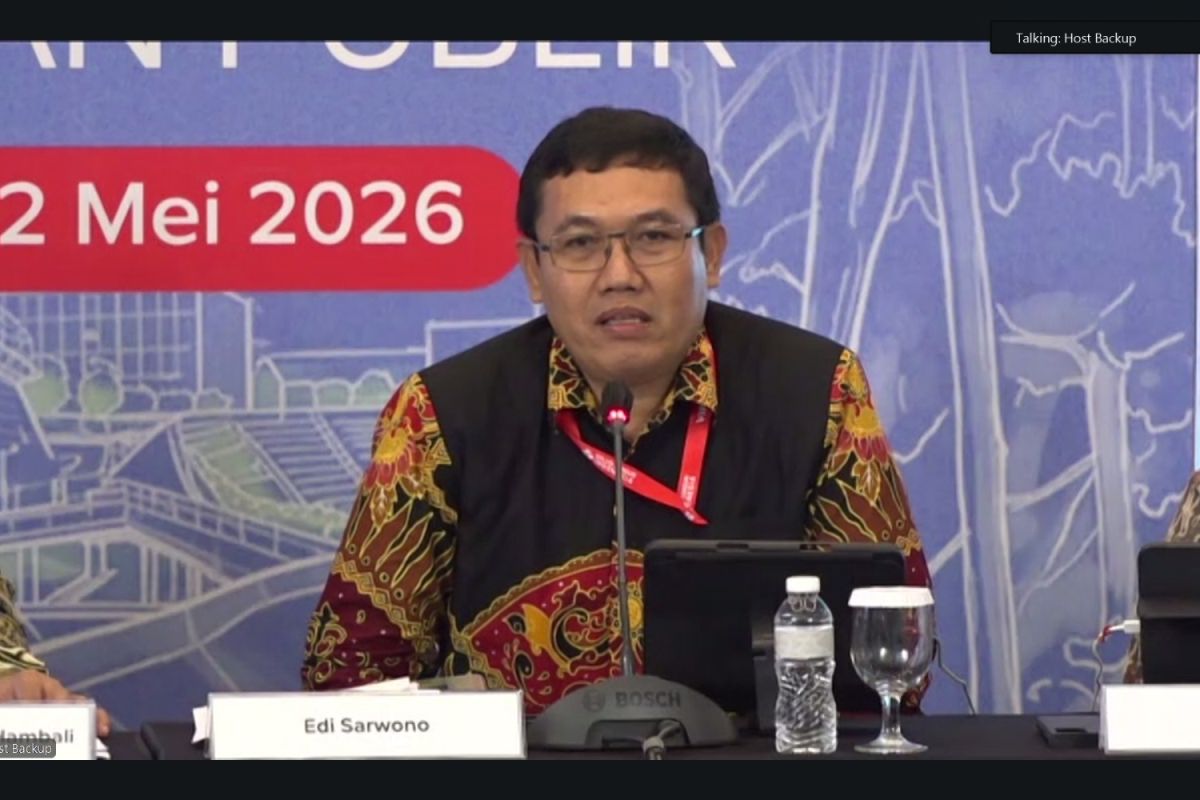
Jakarta – SBI, a subsidiary of state-owned PT Semen Indonesia (Persero) Tbk (SIG), is increasing the use of waste-based alternative fuels, or Refuse Derived Fuel (RDF), to curb carbon emissions and coal usage. Edi Sarwono, SBI’s Operations Director, said the company targets a Thermal Substitution Rate (TSR) of 17 percent for 2026, up from 15.11 percent in 2025. “This year we hope to reach the 17 percent TSR target,” Edi said at the company’s public briefing in Jakarta on Friday. He noted that increasing RDF and biomass utilization is part of the company’s long-term decarbonisation strategy towards a net-zero emissions target by 2050. Edi said SBI has a roadmap to cut carbon dioxide (CO2) emissions by 29 percent by 2030 gradually through various initiatives, including the use of alternative fuels. SBI notes that using alternative fuels also helps improve production cost efficiency and reduce carbon emission intensity. Throughout 2025, the company recorded emission intensity at 567 kilograms CO2 per tonne of cement equivalent. Additionally, SBI utilised around 1.98 million tonnes of waste and RDF as fuels and alternative materials to support the circular economy. Edi said the group has a Nathabumi business unit involved in waste processing, including the use of RDF as an alternative fuel. He added that SBI is currently working with 21 local governments on RDF utilisation and plans to broaden these collaborations in 2026. “We will add more with local governments near our plants to increase the existing volume,” he said. Edi welcomed the waste-sorting policy, as it can improve the quality of RDF used in the cement industry. He explained that the main challenge in RDF processing has been the high moisture content of waste, which affects the quality of the alternative fuel. With waste sorting, moisture is expected to be reduced, so the RDF calorific value increases and better suits cement plant needs. “The calorific value will automatically rise as moisture falls,” Edi said. In addition to RDF, SBI is increasing use of biomass, which is considered to have lower carbon emissions than fossil fuels. The company notes that several plants have even achieved TSR levels of around 30 percent. SBI also states that green cement products have contributed to the company’s revenue growth. In 2025, the contribution from sustainable solutions accounted for around 46 percent of total revenue, up 7 percent from the previous year. According to Edi, green transformation is not only a long-term investment but is also beginning to deliver cost efficiency for the company. “Using alternative raw materials and fuels automatically improves cost efficiency,” he said.