
PT Pos urged to form subsidiary to manage outsourced workers
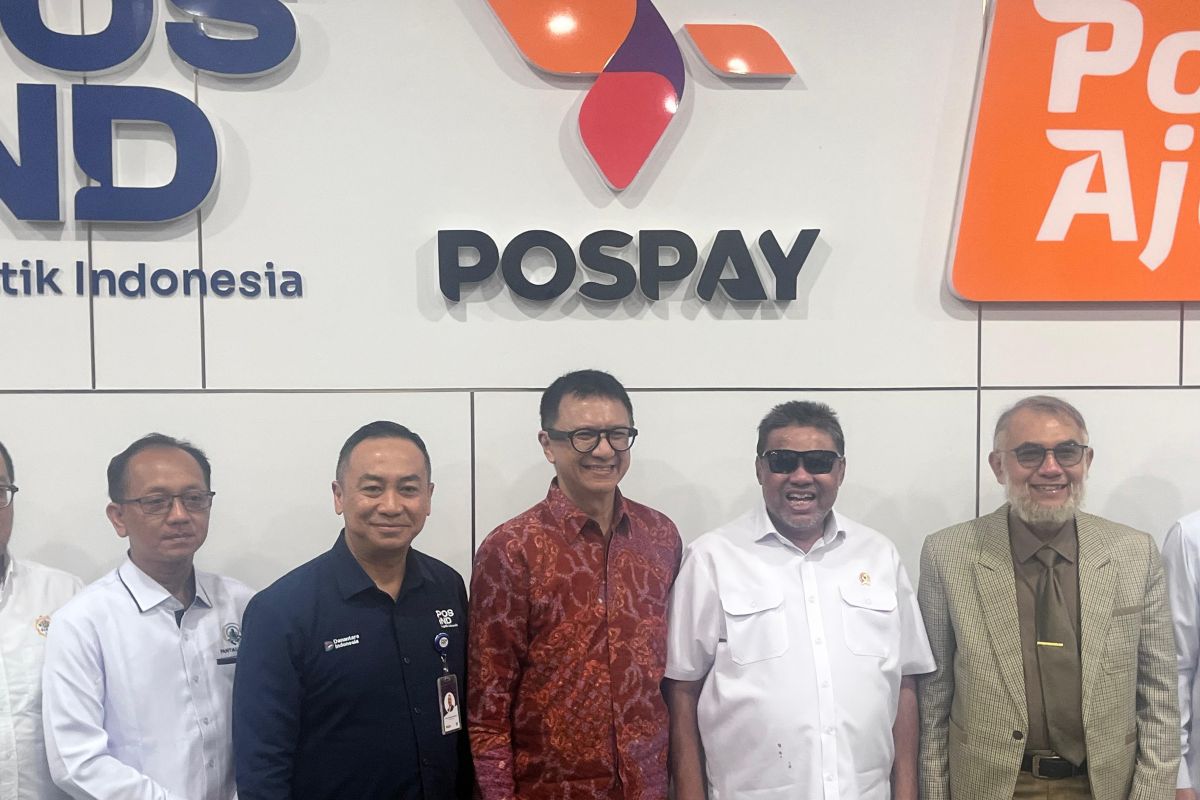
Jakarta (ANTARA) – Presidential Special Adviser for Manpower and Workers’ Welfare Said Iqbal said PT Pos Indonesia (Persero) should establish a subsidiary specifically to manage outsourced workers.
“At PT Pos, we said it would be better to establish a PT Pos subsidiary specifically to manage outsourced workers. Workers in that subsidiary would no longer be partners, but would have either fixed-term employment agreements (PKWT) or permanent employment agreements (PKWTT). The employment relationship would be with the subsidiary, not PT Pos itself,” he said after discussions with several PT Pos Indonesia directors in Jakarta on Wednesday.
He explained that the new Labour Protection Law, passed by the House of Representatives (DPR) in a plenary session on Wednesday (6 October), includes provisions limiting outsourced work to several support areas. These include security, driver and employee transport services, food and drink provision, and cleaning services.
For state-owned enterprises (SOEs), he added, a dedicated entity should be established in the form of a limited liability company.
“This is why I made my first visit to an SOE at PT Pos. It is one of the major SOEs, with a long history, and it also holds state secrets. The employment relationship we are examining is at PT Pos, where workers are known as Mitra Pos,” Iqbal said.
“The new Labour Protection Law no longer recognises a partner-based employment relationship. Partnership arrangements are only for gig workers, such as those working for Gojek, Grab, Shopee and Blibli, while they will no longer be allowed at SOEs. At SOEs, there must be a subsidiary or another form of entity. For example, Pertamina calls them vendors. At Freeport, which also has state ownership, they are called contractors,” he said.
Iqbal therefore proposed that PT Pos establish a subsidiary to accommodate outsourced workers and give them a clear employment status under either PKWT or PKWTT agreements. PT Pos responded positively, saying it would comply with the law on outsourced workers by setting up a subsidiary.
Iqbal said PT Pos had described its business condition as less than favourable, but its board had pledged to improve matters while also addressing the employment arrangements of 7,061 workers.
“They will improve the arrangements for 7,061 Mitra Pos workers. In the near future, perhaps 500 workers will first be moved, in accordance with the law, to the subsidiary as outsourced workers with fixed-term or permanent status, to be determined by the subsidiary. A further roadmap will then set out how many hundreds or thousands more will follow, until, according to PT Pos’s needs, none remain under the Mitra Pos arrangement, because its employment relationship is unclear,” Said Iqbal said.