
PT PMT Director Stands Trial for Environmental Damage in Cikande Radioactive Case
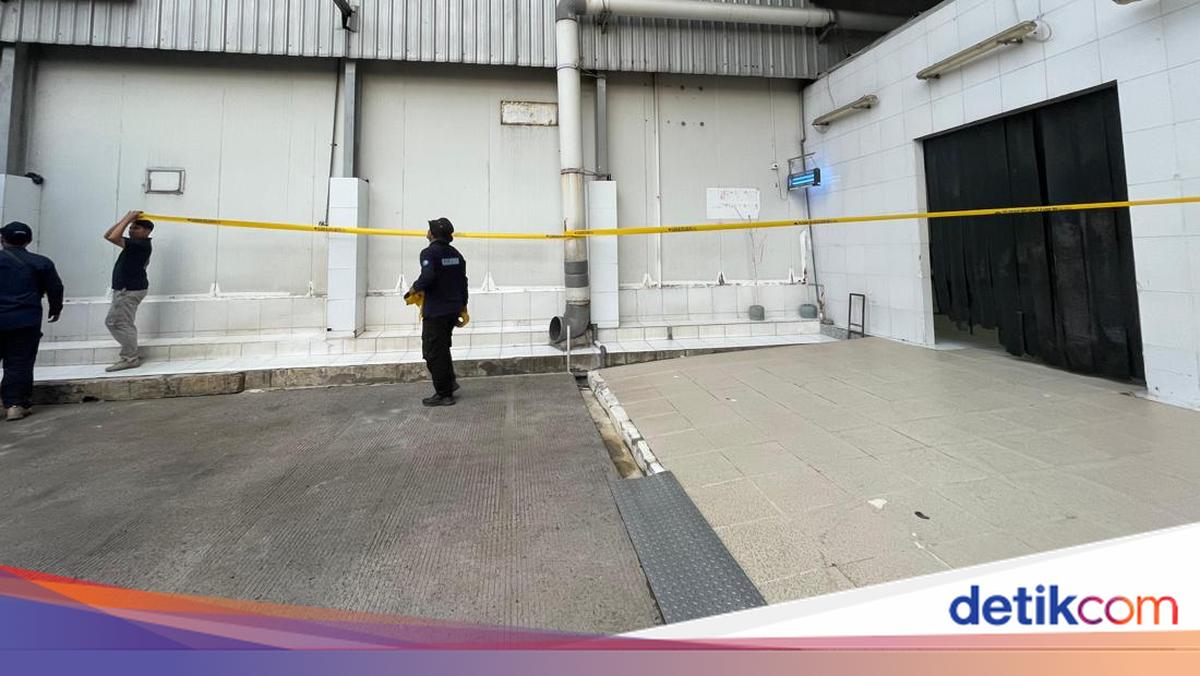
The Serang District Court has commenced the trial of a case concerning the alleged contamination of radioactive substance Cesium-137 (Cs-137) in the Cikande Modern Industrial Estate, Serang Regency, Banten. The director of PT Peter Metal Technology (PT PMT), Lin Jingzhang, has been charged with environmental pollution and damage resulting from the disposal of radioactive waste.
Prosecutors have charged the Chinese national under Article 98 paragraph (1) or Article 103 in conjunction with Article 59 and/or Article 140 in conjunction with Article 60 of Republic of Indonesia Law Number 32 of 2009 concerning Environmental Protection and Management.
According to the indictment, the defendant’s actions caused environmental losses, with the estimated cost of land restoration in the area calculated to reach Rp 4,385,386,920. The indictment states that the defendant deliberately committed an act resulting in the exceeding of ambient air quality standards, water quality standards, seawater quality standards, or environmental damage criteria.
The case began on 19 May 2025, when a resident named Sayuti contacted PT PMT translator Tety Juarsih to request stainless steel combustion waste in the form of slag and sand that had accumulated in the factory area. Tety then forwarded this request to the defendant Lin Jingzhang. The defendant approved the request on the condition that the company would not bear any transportation or handling costs.
The following day, on 20 May 2025, Sayuti brought a single-axle truck to the PT PMT factory area. With the assistance of the company’s forklift facilities, the solid waste was loaded and transported in two trips to be used as landfill material at a scrap collection site owned by Dadang Hidayat.
Prosecutors stated that this action constituted a violation because the management of industrial waste was handed over to a third party that did not possess official permits for the transportation, collection, processing, or stockpiling of Hazardous and Toxic Materials (B3). Under Government Regulation Number 22 of 2021, residual refractory bricks from thermal facilities are categorised as B3 waste with Waste Code B417 (Hazard Category 2). Laboratory tests have confirmed the level of contamination at several locations.