
PT Len Uses Electric Trail Bike Engineering as Foundation for National EV Research
The strength of an electric vehicle ecosystem is not determined by a single superior component, but by how well the entire system works as a unified whole.
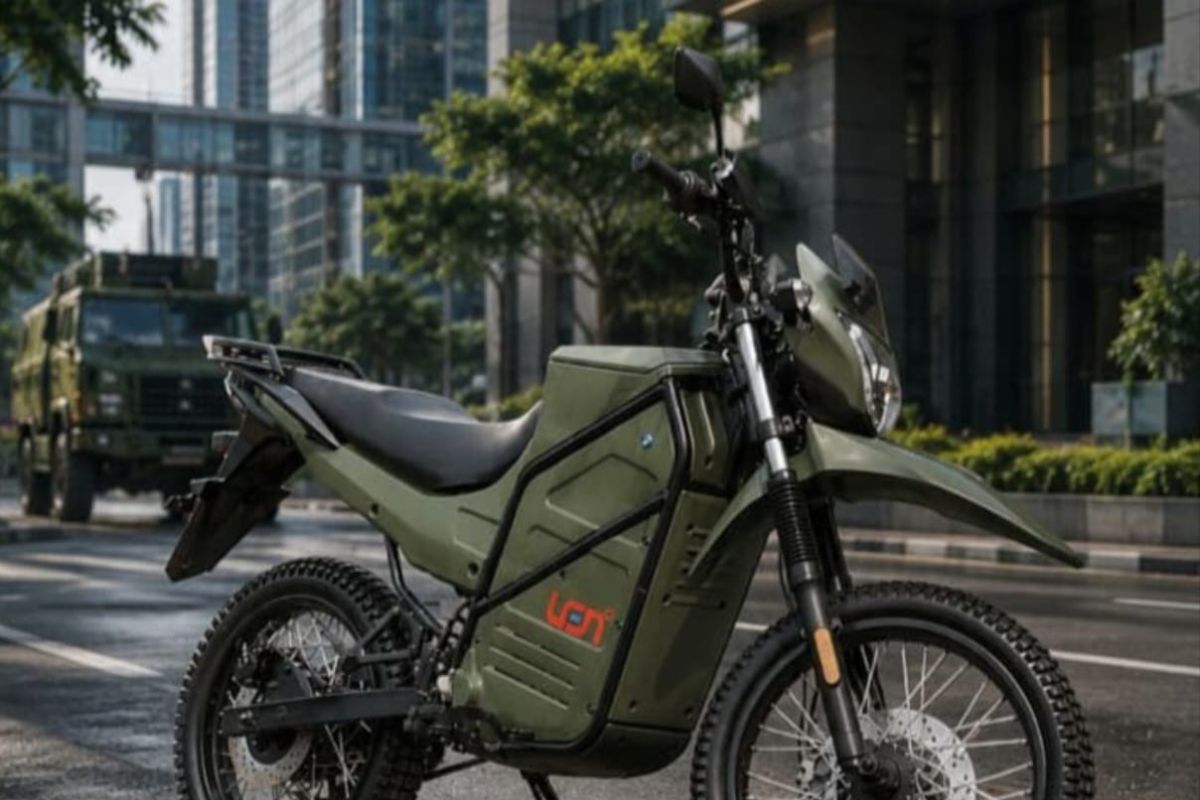
PT Len Industri is utilising the technical engineering of the Sprint electric trail bike as a foundation for research to ensure the reliability of national electric vehicle (EV) system integration, making it safe, measurable, and mutually compatible.
The experience of integrating energy, control, and protection systems in the domestically produced trail bike serves as a reference for cross-subsystem data verification, spanning from batteries and power management to charging infrastructure, aiming to prevent malfunctions caused by differing technical standards.
President Director of PT Len Industri, Joga Dharma Setiawan, emphasised in Bandung, West Java, on Thursday that the key strength of the EV ecosystem lies in the maturity of integration between components, rather than the individual excellence of each part.
“The strength of the electric vehicle ecosystem is not determined by one best component, but by how well the entire system works as a single unit. This is where technical integration becomes the decisive factor in ensuring every subsystem is verified, mutually compatible, and reliable before reaching the user,” Joga stated.
In terms of technical specifications, the Sprint electric trail bike is equipped with a 3,000-Watt electric motor capable of reaching speeds of up to 80 km/h, a range of 60 kilometres, and a load capacity of up to 190 kg. This zero-emission vehicle features a front telescopic suspension, dual disc brakes, and is designed for quiet operation with high maintenance efficiency.
Len affirmed that its position focuses on interface alignment, cross-partner data verification, and the identification of technical gaps without assuming the authority of vehicle manufacturers, standard setters, or commercial performance guarantors. Each partner remains fully responsible for the specifications, production capacity, and data validity within their respective domains.
Through this approach of consolidating readiness and verification-based validation, the defence and electronics state-owned enterprise is optimistic it can accelerate the development of a reliable and sustainable Indonesian electric vehicle ecosystem.